Key points:
- Developer Notting Hill Genesis (NHG) has pulled out of the controversial ‘Tesco Towers’ housing development plan in north London.
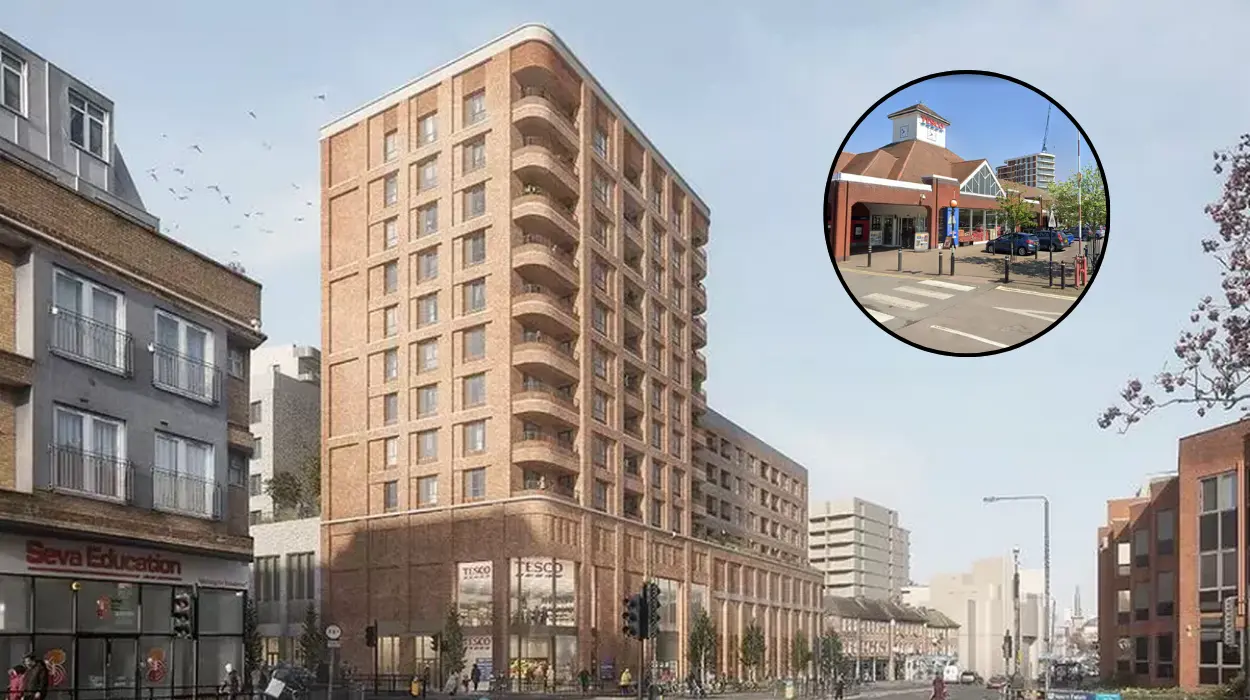
- The plan proposed 504 homes in ten blocks, ranging from four to 13 storeys, including a new Tesco store replacing the existing supermarket on Station Road.
- NHG decided to reduce its development pipeline last year to focus on improving existing housing stock.
- The planning application was submitted to Harrow Council and was expected to be decided soon.
- Campaign group ‘No To Tesco Towers’ and approximately 2,500 petition signatories opposed the scheme citing concerns about scale, lack of affordable housing, and impact on infrastructure.
- Local residents, including those in a nearby retirement home, fear health risks from construction debris and poor air quality.
- The development was to be built over two phases, with affordable housing in the first phase and private homes in the second.
- Tesco remains involved and will continue discussions with Harrow Council about the application’s future.
What is the current status of the ‘Tesco Towers’ housing development in North London?
The future of the widely debated ‘Tesco Towers’ housing development proposal in north London now appears uncertain following the withdrawal of the developer, Notting Hill Genesis (NHG), as reported by James Walker of the Evening Standard. The development, which had envisioned 504 homes across ten blocks with a new Tesco supermarket on Station Road, was due to be reviewed soon by Harrow Council’s planning committee.
- Key points:
- What is the current status of the ‘Tesco Towers’ housing development in North London?
- Why was the ‘Tesco Towers’ proposal controversial?
- What were the details of the proposed development phases?
- What is Tesco’s position in the latest developments?
- What impact does the withdrawal of NHG have on the project’s future?
- How has Harrow Council reacted to the withdrawal?
NHG submitted the formal planning application alongside Tesco, the landowner of the site. However, last year NHG decided to sharply reduce their development pipeline to concentrate on maintaining and improving their current housing stock rather than expanding large new projects. This decision included stepping away from its involvement in the Station Road proposal, casting doubt on the progress of the ‘Tesco Towers’ scheme.
Why was the ‘Tesco Towers’ proposal controversial?
As reported by Victoria Brown of the Local Democracy Reporting Service (LDRS), the project encountered fierce opposition from local residents and campaign groups such as ‘No To Tesco Towers’. Their concerns focused on three main issues: the sheer scale of the proposed ten-block development, the perceived scarcity of genuinely affordable housing units, and the strain the new development would place on local infrastructure including roads, schools, health services and public transport.
A Change.org petition, organised by the campaign group during the initial consultation phase, amassed roughly 2,500 signatures, illustrating significant community resistance. Some residents living near a retirement home expressed profound worry about the project’s environmental and health impacts. They reported feeling “literally scared for [their] lives” due to the potential increase in dust, debris, and deteriorated air quality during construction — particularly alarming for those with existing breathing conditions.
What were the details of the proposed development phases?
According to documents submitted by NHG, the development was planned in two distinct phases. Phase 1 would consist of 233 homes, which included all of the affordable housing in five towers ranging between seven and 13 storeys. This phase also involved building the new Tesco supermarket on the site. Phase 2, meanwhile, proposed constructing 271 private sale homes in five blocks ranging from four to 13 storeys and demolishing the existing Tesco superstore.
NHG emphasised that the project represented a chance to build homes on a brownfield site, rather than encroaching on green belt land, which is often fiercely protected in London’s development policies.
What is Tesco’s position in the latest developments?
While NHG is withdrawing from the development, Tesco remains actively engaged, as noted by LDRS. Tesco plans to continue liaising with Harrow Council to facilitate a future decision on the planning application. The retail giant, owning the land, appears keen on progressing with redevelopment plans despite the setback caused by NHG’s departure.
In contrast to NHG’s shift in focus, Tesco’s involvement suggests the supermarket chain might seek another route to realise or modify the development project.
What impact does the withdrawal of NHG have on the project’s future?
The decision by NHG to pull out leaves the development’s future in uncertainty. Residents opposed to the project have greeted this news with cautious hope. The campaign group ‘No To Tesco Towers’ views it as a potential victory after their sustained efforts highlighting concerns about the proposal’s impact.
Yet, with Tesco still committed to engaging with the council, the possibility remains for the development to be revived or reimagined under different terms or by different partners.
How has Harrow Council reacted to the withdrawal?
As per statements attributed to Harrow Council sources via James Walker of the Evening Standard, the council is prepared to continue consideration of the application, working closely with Tesco to ensure an informed planning decision can be made. At this stage, the local authority has not announced any formal change in the application status but is expected to monitor further developments closely.