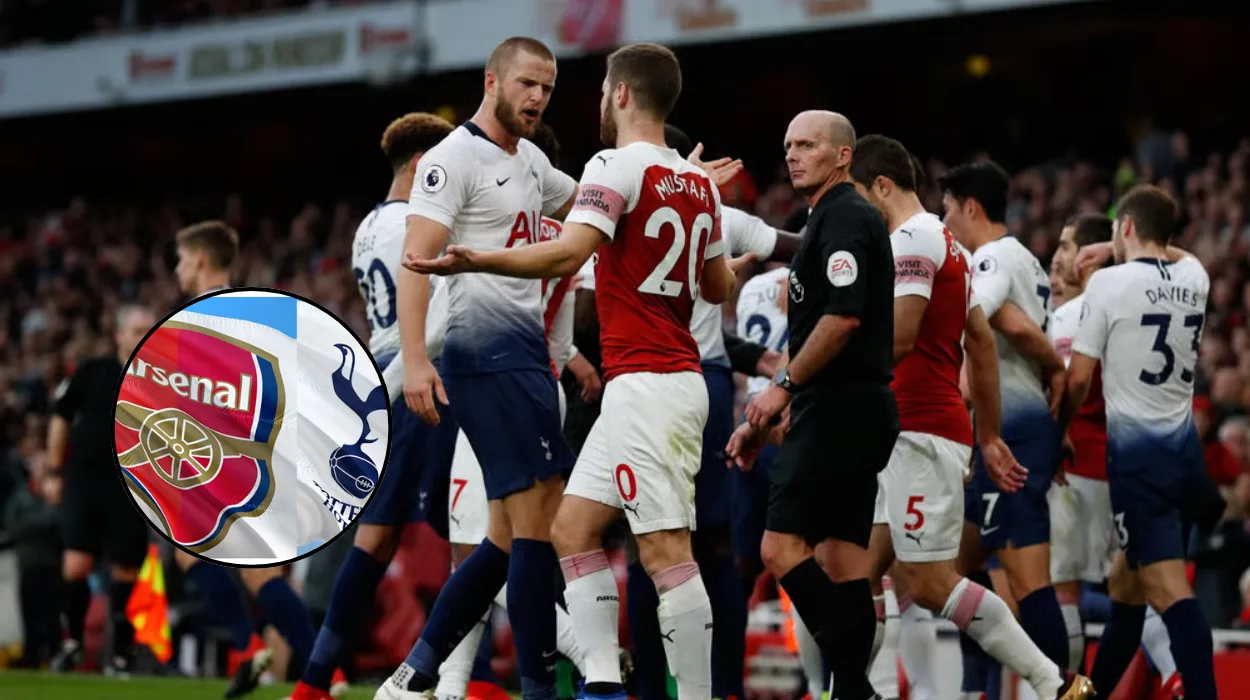
Although Arsenal and Tottenham first met in 1887, their rivalry didn’t fully ignite until the early 20th century. The inaugural match was a friendly played on November 19, 1887, at Tottenham Marshes, resulting in a Tottenham victory. The clubs initially played in regional competitions like the United League, with the first competitive league match occurring on December 4, 1909, which Arsenal won.
The rivalry intensified significantly following Arsenal’s relocation to North London in 1913. Arsenal moved from Plumstead to Highbury, just four miles from Tottenham’s White Hart Lane stadium, a move that Spurs regarded as territorial encroachment. This geographical proximity transformed the fixture into a true local derby, heightening tensions and fostering intense competition.
Evolution of the Rivalry
Key Moments and Historic Matches
The rivalry has produced many memorable moments, characterized by passion, bitterness, and sporting excellence. The first full league match after Arsenal’s move to North London was played on January 15, 1921, at White Hart Lane, ending in a 2-1 victory for Tottenham. The contests have often been marked by high stakes and emotional fervor, with notable victories including Arsenal’s 6–0 win in 1935, the largest margin in derby history, and several 5–0 victories for Tottenham.
Over the decades, the derby has seen dramatic episodes, such as violent encounters and disciplinary actions, underscoring the intensity of the rivalry. The matches continue to attract massive audiences, both in stadiums and through broadcast media, epitomizing the local pride and competitive spirit of North London residents.
Cultural Significance of the North London Derby
More Than Just Football
The North London Derby transcends sport; it is an enduring symbol of local identity, community loyalty, and regional pride. For many supporters, match days are a celebration of community heritage, often accompanied by family traditions and local rituals.
In media and popular culture, the rivalry has been portrayed in documentaries, television series, and films, emphasizing its importance within national and international football landscapes. The derby has also been a catalyst for social cohesion among fans and a reflection of the social fabric of North London.
Recent Results and Current Trends
In recent years, the North London Derby has remained highly competitive, with results often swinging unpredictably between the two sides. For instance, Arsenal’s victory on January 15, 2025, marked a continued chapter in this long-standing rivalry, with the scoreline (2-1) fitting well within the derby’s tradition of closely contested matches.
The fixtures continue to draw high viewership, and the rivalry’s significance is reinforced through annual fixtures scheduled in the Premier League, FA Cup, and other competitions. Both clubs continue to invest heavily in players and stadium facilities, underscoring the importance of the derby as a centerpiece of North London football.
Why the North London Derby Endures
A Timeless Clash
Several factors contribute to the enduring appeal of the North London Derby:
- Historical proximity and geographical rivalry: The short distance between the stadiums fuels local pride and competition.
- Rich history of memorable matches: From early 20th-century encounters to recent fixtures, each game adds to the rivalry’s lore.
- Cultural and social impact: The derby signifies community identity for North London residents, making it more than just a game.
- Media and fan engagement: Global audiences and passionate supporters sustain the derby’s high profile year-round.
The passion, history, and community identity embedded in the North London Derby ensure its place as one of football’s most captivating and timeless rivalries.
The North London Derby represents the epitome of local football rivalries, built on over a century of history and cultural significance. It exemplifies how sport can serve as a reflection of community identity, regional pride, and competitive spirit. As Arsenal and Tottenham continue to battle for supremacy in North London, the derby remains a fixture that unites and excites supporters and neutrals worldwide, reaffirming its status as an evergreen symbol of football passion.