Key Points
- Barnet Council has officially scrapped the £1 million bus lane project on Regents Park Road in Finchley.
- The scheme, funded by Transport for London (TfL), aimed to improve bus journey times but raised safety concerns after work began.
- Independent engineers had assured safety, but the council prioritised resident feedback after 1,772 signed a petition against the project.
- Cabinet member Alan Schneiderman confirmed the complete cancellation of the scheme and commitment to learning from the experience for future plans.
- There remains public uncertainty about the fate of the allocated funds for the now-abandoned bus lane.
- Campaigner Josh Baron questioned whether the decision to scrap the scheme was truly due to resident feedback or other underlying factors.
What happened with the Finchley bus lane project?
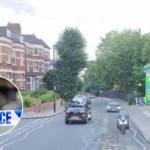
Barnet Council confirmed on Friday that it had halted the £1 million bus lane project on Regents Park Road in Finchley. The scheme, designed to improve bus journey times on several routes, was funded by Transport for London (TfL) and had its construction start earlier this summer. However, after safety concerns were raised by residents and reviewed by independent parties, the council decided to scrap the entire project.
- Key Points
- What happened with the Finchley bus lane project?
- Why did the council scrap the bus lane despite safety assurances?
- How did residents respond to the bus lane scheme?
- What are the safety concerns about the bus lane?
- What does this mean for transport plans in Barnet?
- What is happening with the £1 million funding for the project?
- Who are the main voices quoted on this issue?
Alan Schneiderman, cabinet member for environment and climate change, told the council:
“Although the independent engineers have given us assurances that this scheme is safe, we made a commitment to engage closely with residents and to listen to their concerns – and that is what we have done. These proposals won’t now go ahead.”
Why did the council scrap the bus lane despite safety assurances?
According to Alan Schneiderman, as reported by the Evening Standard, the safety concerns arose in spite of positive assessments from independent engineers. The decisive factor, however, was the significant public opposition and feedback gathered through engagement activities.
Schneiderman explained,
“One of the long-term plans in our transport strategy is to create new bus lanes to encourage more people to use public transport and to speed up journey times. We will be taking stock from this scheme and using the learning to inform any new bus lane schemes that are put forward elsewhere in the borough.”
This approach underscores a balancing act between infrastructural ambitions and community acceptance.
How did residents respond to the bus lane scheme?
Public resistance was considerable. Over the past two months, 1,772 residents signed a petition calling for the removal of the scheme, describing it as “dangerous” and arguing that Regents Park Road was “not physically wide enough for two lanes of traffic, bus lanes and parking.”
The petition and vocal public opposition contributed significantly to the council’s decision. On 21 October, Schneiderman shared with the council that a “full independent safety audit” had been conducted. He also stated that “a range of amendments” to the scheme were being prepared, but eventually these amendments were overtaken by the decision to cancel the project outright.
What are the safety concerns about the bus lane?
The primary concerns from residents revolved around the perceived narrowness of Regents Park Road. The street’s limited width was considered insufficient to safely accommodate the dual function of motor traffic lanes alongside dedicated bus lanes and parking spaces.
Safety worries included fears that congestion and limited road space could increase accident risks for drivers, cyclists, and pedestrians. Despite independent engineering reassurance, these community fears proved decisive.
What does this mean for transport plans in Barnet?
The cancellation demonstrates an emphasis on community engagement as a critical factor in shaping transport infrastructure. Alan Schneiderman emphasised that the council would incorporate the lessons learned from the Finchley scheme into its future transport strategies.
This includes a continued commitment to bus lanes to promote public transport but with a renewed focus on safety, feasibility, and resident consultation.
What is happening with the £1 million funding for the project?
Though residents are relieved at the scheme’s cancellation, questions remain about the unused budget. The sources reviewed—including reports by Jessica Gerrard from the Evening Standard—do not provide clear answers on whether the fund will be reallocated within Barnet or returned to TfL.
Local campaigner Josh Baron, known for consistent opposition to the scheme since early 2025, expressed scepticism about the council’s justifications. As quoted by Gerrard, Baron suggested,
“This turnaround goes deeper than resident feedback,”
signalling suspicion about other political or financial motivations influencing the decision.
Who are the main voices quoted on this issue?
- Alan Schneiderman, Cabinet Member for Environment and Climate Change, Barnet Council, confirmed the scheme’s cancellation and highlighted the council’s commitment to resident engagement.
- Josh Baron, local campaigner against the scheme, questioned the reasons behind the council’s reversal beyond public pressure.
- Independent engineers involved in the safety audit provided reassurances about the project’s safety, though their identities were not disclosed.
The shelving of this high-profile bus lane project highlights the challenges local authorities face when attempting to balance infrastructure improvements with community safety and acceptance. The outcome also sets a precedent for how Barnet Council might handle future transport initiatives, blending technical assurances with public sentiment.