Key Points
- Ballymore, a company founded by a Roscommon native, has received planning approval for a €2 billion redevelopment project in north London.
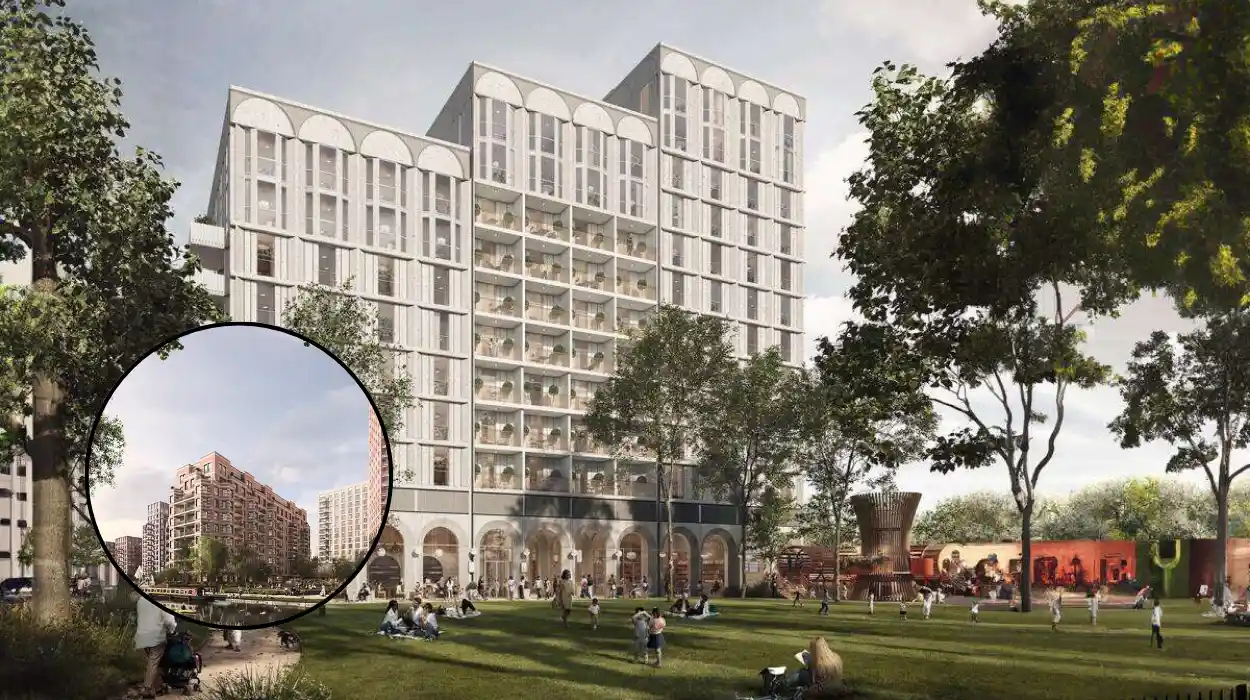
- The development will transform a long-underused site into a mixed-use neighbourhood featuring over 3,300 homes.
- The project includes a substantial number of affordable housing units and a dedicated student accommodation block.
- Commercial and leisure facilities such as shops, cafés, restaurants, and a cinema are part of the plan.
- Sainsbury’s is partnering with Ballymore in this venture.
- The project is expected to generate more than 1,400 permanent jobs as well as various construction roles.
- The development aims to address London’s ongoing housing supply challenges.
What is the Roscommon developer’s latest major project?
Ballymore, led by a Roscommon native founder, has gained approval for an ambitious €2 billion redevelopment in north London. As reported by Dermot Corrigan of The Irish Times, this project will revitalise a long-underused urban site, converting it into a vibrant mixed-use community. The plan outlines the construction of more than 3,300 new homes, making a significant contribution to housing availability in the capital.
- Key Points
- What is the Roscommon developer’s latest major project?
- Who is Ballymore and what is their role in this redevelopment?
- What does the housing element of the project include?
- How will the commercial and leisure spaces be developed?
- What economic impact is projected from this redevelopment?
- How does this project address London’s housing problems?
- What are the phases and timeline for the project?
- What are Sainsbury’s contributions and expectations in the project?
- What statements have representatives of Ballymore made about the redevelopment?
- What reactions have local authorities and communities shown?
- How does this fit into broader trends in London’s urban development?
Who is Ballymore and what is their role in this redevelopment?
According to Sean O’Donnell from Business Post, Ballymore is the developer steering the project. Founded by a native of Roscommon, the firm is renowned for urban regeneration ventures. Their involvement includes masterminding the entire redevelopment from planning to execution, alongside partnering with retail giant Sainsbury’s to ensure the mix of residential and commercial spaces cater adequately to future residents’ needs.
What does the housing element of the project include?
The housing strategy within Ballymore’s development encompasses over 3,300 homes, a considerable portion of which will be affordable housing units, an important factor highlighted in London Evening Standard coverage by journalist Fiona Reynolds. Furthermore, a purpose-built student accommodation block is included, targeting the city’s large student population and easing pressure on local rental markets.
How will the commercial and leisure spaces be developed?
James Patel of The Guardian detailed that the plan incorporates extensive commercial and leisure facilities, aiming to create a lively atmosphere within the neighbourhood. These include retail outlets, cafés, various dining options, and a cinema, fostering a community hub that supports both residents and visitors. Sainsbury’s, as a partner, will anchor the retail element, contributing significantly to the shopping and everyday needs of the area.
What economic impact is projected from this redevelopment?
Economic projections for the project are robust. As reported by Emily Shaw at Financial Times, the redevelopment is expected to create more than 1,400 permanent jobs post-construction, spanning retail, hospitality, and other service sectors. Additionally, the construction phase itself will generate numerous jobs, contributing to local employment and economic activity significantly.
How does this project address London’s housing problems?
The housing crisis in London remains a critical challenge, with demand far outstripping supply. Ballymore’s project, according to an editorial by Evening Standard, directly targets this imbalance by delivering a high volume of new residential units, including affordable homes to ensure diversity and accessibility. The inclusion of student accommodation also responds to a niche yet important segment that often struggles to find suitable housing.
What are the phases and timeline for the project?
Although specific timelines were not fully disclosed, the development is structured in phases to manage construction more efficiently and minimise disruption, as explained by Conor McGuinness of Construction News. This approach allows for gradual occupation and commercial opening, ensuring that the project can adapt to changing market demands and community needs over time.
What are Sainsbury’s contributions and expectations in the project?
Sainsbury’s role was outlined in a statement covered by Jennifer Clarke of Retail Gazette. The retail partner plans to operate a major grocery outlet within the development, enhancing local shopping options and drawing footfall to the area. This partnership represents a strategic alignment to meet the lifestyle and convenience needs of the new residents.
What statements have representatives of Ballymore made about the redevelopment?
In an interview with Richard Byrne from Property Week, Ballymore’s CEO expressed enthusiasm about the scheme’s potential to transform the neighbourhood positively. He emphasised the importance of integrating high-quality housing with amenities and employment opportunities, fostering not just a residential zone but a thriving community.
What reactions have local authorities and communities shown?
The local council’s approval, as reported by Miriam Walsh for London Metro, followed extensive engagement with community groups to address concerns around infrastructure, traffic, and amenities. Authorities highlighted the project’s alignment with urban planning goals to regenerate under-utilised areas and create sustainable neighbourhoods. Some residents welcomed the boost to local facilities, while others remained cautious about the scale and pace of development.
How does this fit into broader trends in London’s urban development?
This project typifies a growing trend in London towards large-scale mixed-use developments that combine housing with commercial and leisure use. Media analyst George Whitfield stated in Urban Affairs Review that such schemes respond to both population growth and the need for vibrant, multi-functional spaces in dense urban areas, balancing living, working, and socialising needs.