North London was once dominated by expansive farmland and rural villages, serving as a vital agricultural hub before widespread urbanization in the 19th and 20th centuries. Farming practices date back to Neolithic times, with early settlers introducing wheat, barley, sheep, goats, and cattle around 5000-4500 BC, gradually spreading across the region. By the medieval period, open-field systems with crop rotations of rye, wheat, oats, and barley surrounded villages, while pasturelands supported livestock; this evolved with enclosure acts from 1750 onward to meet urban food demands. The Victorian era brought further changes, including improved land ownership and productivity from gravel soils, as seen in areas like North Mymms, where farms thrived on diversified crops and dairy linked to the Great Northern Railway’s milk depots by 1890.
Key Milestones in North London Farming
Significant timelines highlight the transformation of North London’s agricultural landscape. College Farm in Finchley, first mentioned in 1302, was acquired by George Barham in 1868 (initially as Sheephouse Farm) and saw new buildings in 1882, later becoming a museum until the 1970s. Broadwater Farm in Tottenham remained rural until the Bruce Grove railway opened in 1872, surviving as farmland amid suburban growth until 1932 when Tottenham Urban District Council purchased it for recreation and allotments due to River Moselle flooding. The Agricultural Revolution from 1500-1850 introduced selective breeding, clover rotations, and nitrogen-fixing legumes, boosting yields dramatically—such as tripling nitrogen rates in Norfolk by 1850—which influenced North London farms supplying London’s markets.
Types of Farms and Practices
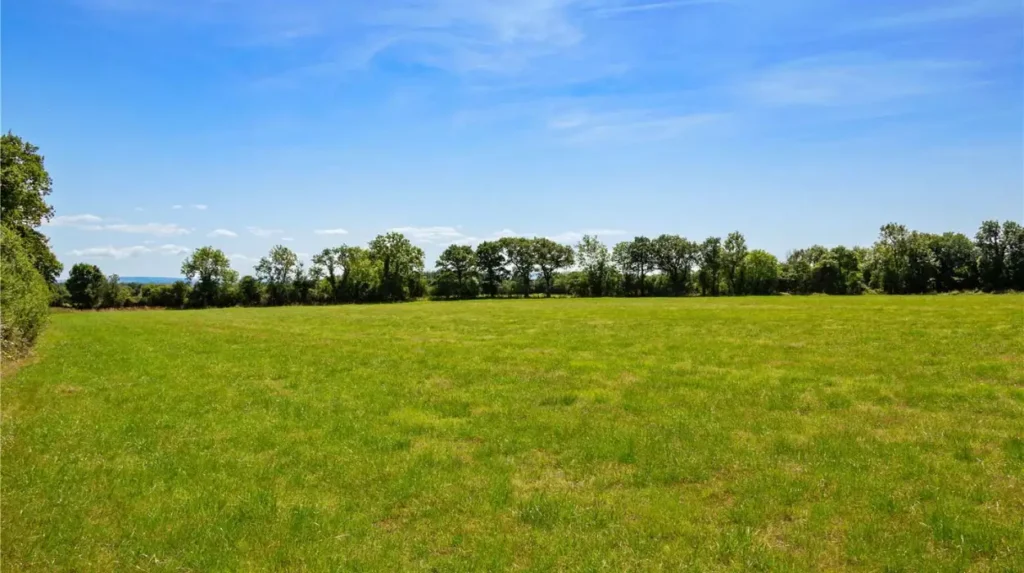
North London farms historically included mixed operations growing wheat, barley, oats, vegetables, and fruits while raising dairy cattle, goats, and other livestock to feed the expanding city. Dairy farms were prominent, leveraging transport innovations like river and rail links from the 1700s to deliver beef, milk, and produce southward. Market gardens near urban edges focused on high-value salads and fruits, while later specialist farms adapted to equestrian or organic uses amid land pressures. Innovations such as Jethro Tull’s 1701 seed drill and stall-fed manure collection conserved nitrogen, enabling intensive production on shrinking farmlands.
Notable Farms and Their Legacies
Broadwater Farm exemplifies rural persistence, as the last agricultural holdout on Lordship Lane by 1920, later repurposed with concrete dikes for flood control. Firs Farm in Winchmore Hill functioned as a farmland lane with worker cottages in the 1800s, now preserved as Firs Farm Wetlands for conservation. College Farm’s long history from medieval records to modern museum status underscores family continuity and dairy innovation under figures like George Barham. North Mymms farms stood out for early 20th-century efficiency, converting manures into profitable crops via superior soils. These sites shaped local identities, blending agriculture with community spaces.
Farms in Modern North London
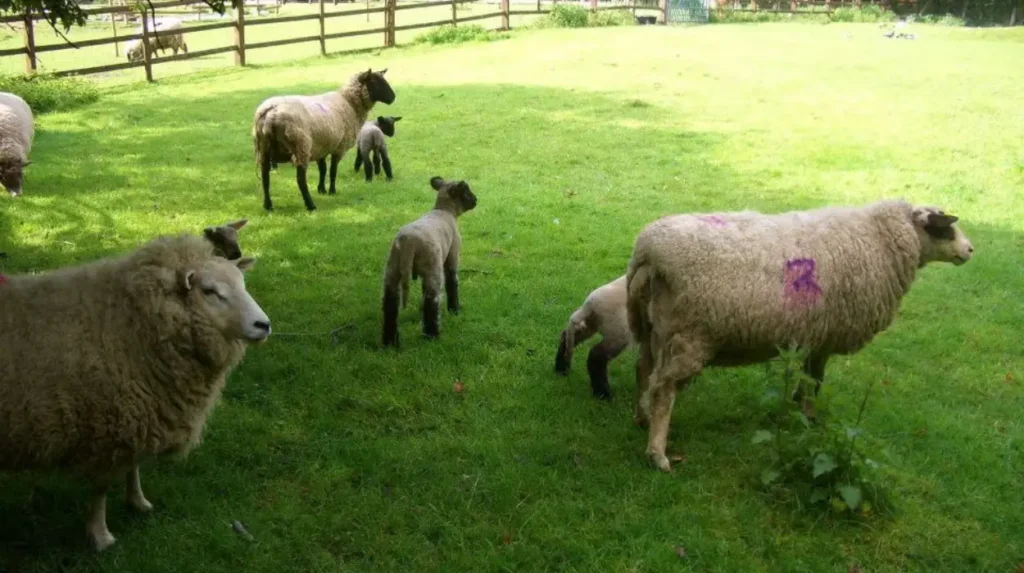
Contemporary North London farms emphasize sustainability, education, and urban integration despite reduced acreage. Kentish Town City Farm, started in 1972 on a four-acre site, offers families hands-on experiences with animals and crops, fostering community food movements. Remaining green spaces like Lordship Recreation Ground from Broadwater Farm provide allotments and recreation, while urban initiatives promote local organic produce and environmental awareness. These evolve traditional roles into hubs for biodiversity, events, and bridging city life with rural heritage, ensuring agriculture’s ongoing relevance.