Islington, originally known as “Gisla’s hill,” has a history dating back to at least the 12th century. It started as a rural village featuring the church of St Mary, rebuilt in the 15th century, and was part of estates belonging to the Bishop of London. Its location on the Great North Road became crucial as the route connecting London to northern regions. The construction of the New River in 1613, designed to transport fresh water to London, further marked Islington’s developmental importance. Over centuries, Islington transformed from a rural retreat favored by the wealthy into an urban area with vibrant working-class communities during the industrial period. Through the 17th and 18th centuries, it gained prominence for its inns, pleasure gardens, and theatres along Upper Street, embedding cultural significance in its fabric.
Geographic and Cultural Overview
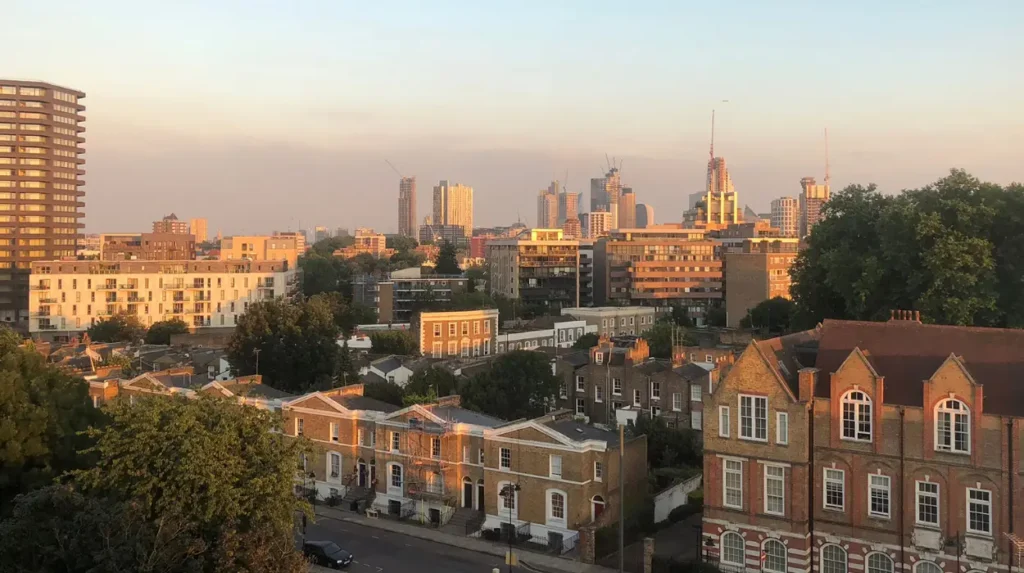
Situated on a hill, Islington offers a compelling blend of historic charm and modern vibrancy. Its main artery, Upper Street, is known for shopping, dining, and entertainment, while the Angel area provides a bustling social and commercial hub. Architecturally, Islington showcases Georgian and Victorian townhouses alongside contemporary developments, all framed by green spaces such as Islington Green and the New River Walk. The cultural scene thrives with theatres like the Almeida Theatre, galleries, and independent boutiques, reflecting a diverse and inclusive population. This mix of old and new creates a neighborhood where lively street life coexists with quiet residential streets, appealing to a broad demographic.
Living in Islington: Lifestyle and Amenities
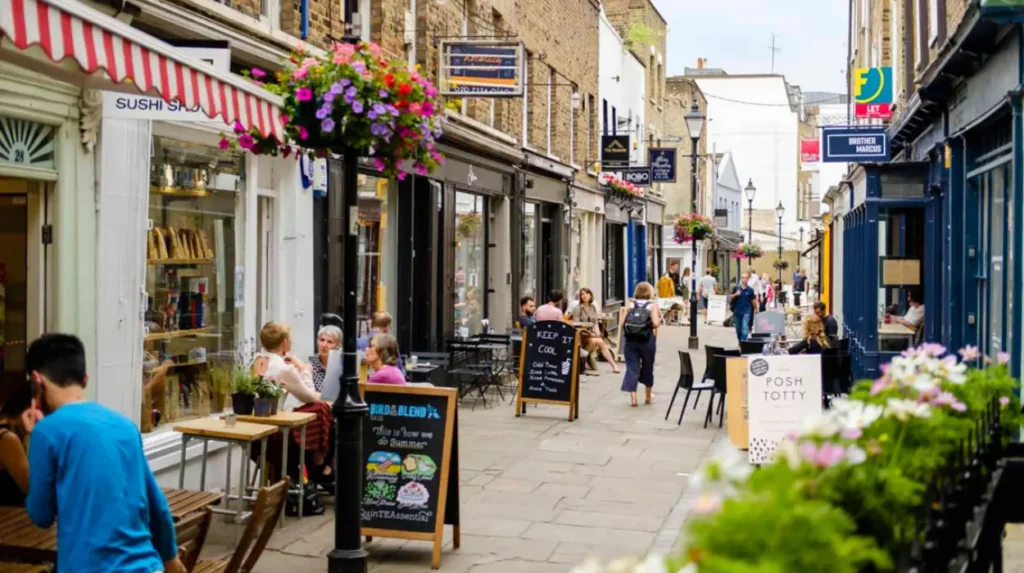
Islington presents a high quality of life with access to excellent amenities and strong transport links. Residents benefit from numerous schools, healthcare facilities, and recreational spaces, alongside a robust local economy centered on independent retail and a variety of dining options. Upper Street is renowned for its eclectic mix of cafes, restaurants, and nightlife venues, catering to families, professionals, and creatives. Transport connections include Angel Station on the Northern Line and Highbury & Islington on the Victoria Line, facilitating easy travel across London. Bus routes and cycle lanes further enhance mobility, making Islington an ideal location for commuters and those seeking an active lifestyle.
Notable Landmarks and Attractions
Islington hosts a variety of landmarks that emphasize its historical and cultural heritage. The New River Walk offers a scenic route along the historic 17th-century aqueduct, perfect for leisurely walks. The Almeida Theatre is a focal point for contemporary performing arts. Public spaces like Islington Green feature commemorative statues such as that of Sir Hugh Myddelton, celebrating local history. Historic pubs, including the famous Angel Inn dating back to the 16th century, add to the character of the area. These landmarks collectively provide residents and visitors with engaging cultural experiences and reflect the borough’s dynamic identity.