Key Points
- Barnet Council’s strategic planning committee has rejected plans for nearly 300 homes next to High Barnet Station on the Northern line in north London.
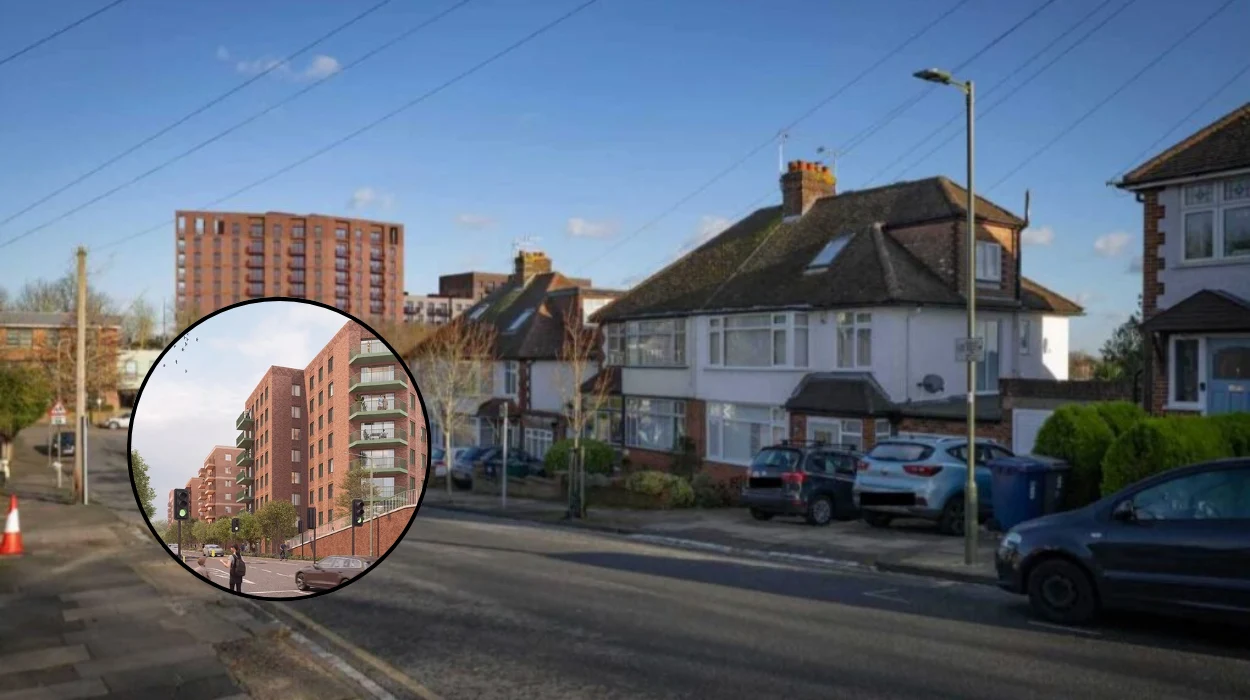
- Developer Barratt London and Transport for London’s property company Places for London proposed five blocks of up to 11 storeys, with 283 homes and 567 square metres of commercial space on the station’s 160-space car park and adjoining storage land.
- The scheme included a headline 40 per cent affordable housing provision within the new development.
- Councillors raised concerns about the scale and height of the scheme, its impact on local character, and the loss of station car parking spaces used by elderly residents, disabled people and those with mobility issues.
- Labour councillor for Barnet Vale, Sue Baker, told the committee she had received an “overwhelming amount of negativity” from residents about the proposals and described the loss of the car park as “problematic”.
- Objectors highlighted worries over congestion, pressure on local services and access issues around High Barnet Station, in addition to opposition to high-rise blocks in a predominantly low-rise suburban area.
- Supporters of the scheme, including its public-sector partner Places for London, argued the proposal would deliver much-needed new homes close to public transport and contribute to meeting London’s housing targets.
- Following debate, the strategic planning committee voted to refuse permission, meaning the station car park will remain in use in its current form unless revised plans are brought forward.
Plans for hundreds of homes on north London station car park rejected
Plans to redevelop High Barnet Station’s car park with nearly 300 new homes have been thrown out by Barnet Council amid concerns over the scale of the scheme and the loss of parking relied upon by elderly and disabled residents. The strategic planning committee refused an application from Barratt London and Transport for London’s property arm, Places for London, which sought permission for five residential blocks of up to 11 storeys, providing 283 homes and ground-floor commercial space on the northern line station’s surface car park and adjacent storage areas.
- Key Points
- What exactly was proposed for High Barnet Station?
- Why did Barnet Council reject the application?
- What were residents’ concerns, and how were they expressed?
- What arguments did the developers and TfL’s property arm make in favour?
- How does the loss of the car park factor into planning policy and local needs?
- What happens next for High Barnet Station and the site?
Committee members cited the height and massing of the proposed buildings, potential impacts on local character and amenity, and the complete removal of the existing 160-space car park as key reasons for rejecting the development. Labour councillor Sue Baker, who represents Barnet Vale ward, told colleagues she had received an “overwhelming amount of negativity” from residents worried about access, parking and the transformation of the suburban station setting, and described the loss of the car park as “problematic” for older and less mobile users of the station.
What exactly was proposed for High Barnet Station?
The joint application by Barratt London and Places for London set out a major mixed-use redevelopment of land immediately surrounding High Barnet Station in north London. It envisaged demolishing the surface-level car park and reconfiguring existing storage and operational areas to accommodate five new residential blocks, rising in places to 11 storeys. The plans detailed 283 new homes and about 567 square metres of commercial floorspace intended for shops or other active ground-floor uses serving both residents and commuters.
Within the housing mix, the developers included a headline 40 per cent affordable housing offer, aligning with London-wide expectations for significant affordable provision on major schemes near public transport. A range of unit sizes was expected, aiming to attract different household types, while the ground-floor commercial units were presented as a way to animate the station frontage and create a more urban, mixed-use character around High Barnet.
Why did Barnet Council reject the application?
Barnet Council’s strategic planning committee assessed the scheme against local and London planning policies, urban design guidance and consultation responses from residents and stakeholders. Members concluded that the overall scale and height of the proposed towers, up to 11 storeys, would be out of keeping with the predominantly low-rise, suburban context around High Barnet Station. They also expressed concern that the development’s massing could harm local character and potentially overshadow or overlook nearby properties.
A central issue was the proposed removal of the 160-space car park that currently serves commuters and nearby residents. Councillors considered this loss particularly sensitive given the evidence presented that many elderly and disabled people, as well as those with mobility difficulties, depend on these spaces to access the station and local facilities. Balancing the claimed benefits of new housing against the negative impacts on accessibility and amenity, the committee voted to refuse planning permission.
What were residents’ concerns, and how were they expressed?
During the planning process, local residents raised multiple objections to the proposed redevelopment, focusing on its impact on everyday life around High Barnet Station. Common themes included worries over increased congestion on surrounding roads, pressure on parking in nearby residential streets once the dedicated station car park was removed, and additional strain on local services and infrastructure. Many objectors also took issue with the introduction of high-rise blocks, arguing these would dominate the skyline and alter the established suburban feel of the area.
Labour councillor Sue Baker, who represents Barnet Vale ward where many affected residents live, told the committee she had received an “overwhelming amount of negativity” towards the scheme. She specifically highlighted that the existing car park is heavily used by “many elderly residents” and people with disabilities or mobility issues, stressing that losing these spaces would be “problematic” for those who rely on being able to park close to the station rather than walking longer distances or using alternative modes of transport.
What arguments did the developers and TfL’s property arm make in favour?
Barratt London and Places for London framed the proposal as a chance to make better use of brownfield land next to a well-connected London Underground station, in line with policy encouraging higher-density development around public transport hubs. By delivering 283 homes on an existing car park and storage land, they argued the scheme would contribute significantly to meeting London’s acute housing need without encroaching on greenfield land. The inclusion of 40 per cent affordable housing was presented as a key social benefit, offering additional homes for those priced out of the local market.
The applicants also pointed to the new commercial floorspace and improvements to the station setting as enhancements that could create a livelier, more attractive environment for commuters and residents. From their perspective, shifting travel patterns in London and a desire to encourage sustainable transport meant that repurposing some station car parks for housing could be justified, particularly where good alternative transport options exist. They indicated that design and management measures could mitigate parking and access concerns, although these assurances did not convince a majority of committee members.
How does the loss of the car park factor into planning policy and local needs?
Planning policy in London increasingly supports development that reduces reliance on private cars, particularly in areas well-served by public transport. In principle, that can include reducing or removing car parking at stations when land can be used more intensively for housing or other priorities. However, local authorities must still consider the practical needs of existing users, especially those who face barriers to using alternative modes. In this case, the High Barnet Station car park has a well-established role for elderly residents, disabled users and people with mobility issues who need convenient, close access.
Councillors weighing the application had to decide whether the benefits of new homes and commercial activity outweighed the adverse effect on accessibility for those groups. Evidence of strong public opposition and representations from ward councillors about the “problematic” impact of losing the car park pushed the balance against the scheme. The decision underlines that even where policies favour car-lite development, authorities may still resist proposals that they consider insufficiently responsive to the needs of more vulnerable users.
What happens next for High Barnet Station and the site?
With the strategic planning committee’s refusal, the current application for the five-block, 283-home scheme has been halted. The station car park remains in operation in its present form, continuing to provide 160 spaces for commuters and local residents, including the elderly and those with mobility impairments. Barratt London and Places for London now face a choice over whether to appeal the decision, revise the proposals to address councillors’ concerns, or step back from the site.
Any future bid is likely to be scrutinised closely for how it handles building height and massing, local character, and the treatment of parking and accessibility. A revised scheme might need to reduce heights, retain or re-provide accessible parking, or adjust the mix of uses to secure political and community support. Until such a proposal comes forward and is accepted, the High Barnet Station surroundings will remain largely unchanged, with the debate over how best to balance housing delivery and local needs continuing in Barnet.