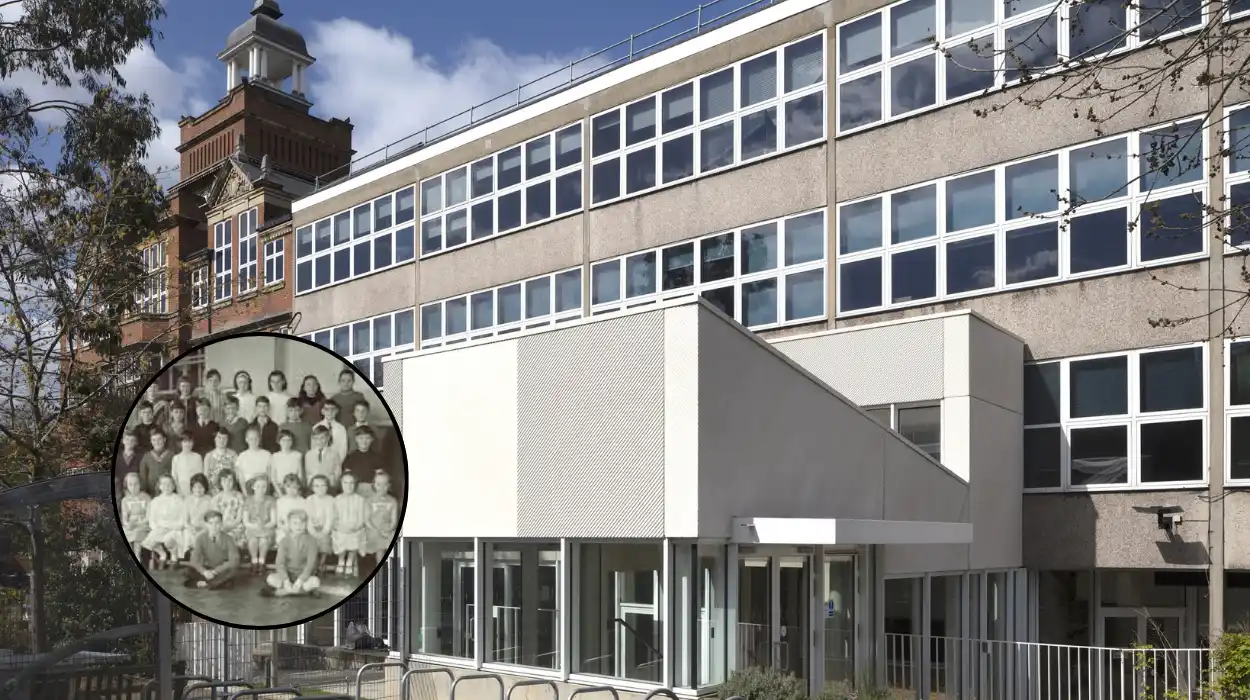
North London Press coverage of Camden School in 1967 captures a pivotal moment in the area’s educational history, highlighting the enduring legacy of pioneering girls’ schools amid Camden’s vibrant community evolution.
Camden’s Educational Roots
Camden School for Girls, founded in 1871 by suffragist Frances Mary Buss, emerged as one of England’s first girls’ secondary schools, emphasizing accessible education for working-class families. Buss, who also established North London Collegiate School in 1850 at 46 Camden Street, believed in empowering girls through rigorous academics, extending her vision to modest-income households with this non-fee-paying institution. By the mid-20th century, the school had grown from its Camden Road origins, adding facilities like a 1960s science wing, with Nobel laureate Sir John Cockcroft laying its foundation stone in 1965.
Local press like the North London Press documented these developments, reflecting Camden’s shift from industrial hubs to cultural enclaves. In 1967, articles likely spotlighted school expansions, student achievements, and community events, as the area grappled with post-war rebuilding and comprehensive education reforms. This coverage underscored Camden School’s role in fostering resilience among North London youth.
Frances Mary Buss’s Lasting Vision
Buss’s influence permeated North London, with Camden School adopting her motto “Onwards and Upwards” and a uniform featuring a ‘buss’ ship badge. Her family, including artist father R.W. Buss, supported early operations, blending education with local artistry. The school’s progression—from Camden Street to Sandall Road, and eventual ties to Edgware’s Canons estate by 1940—mirrors North London’s suburban expansion.
By 1967, amid swinging London, press reports would have celebrated academic milestones, perhaps noting entry by interview rather than exams, aligning with egalitarian ideals. These stories in outlets like North London Press preserved Buss’s legacy, inspiring generations in a borough known for markets, canals, and activism.
1967: A Year of Change in Camden Schools
The late 1960s marked Camden’s transformation, with schools like Camden School for Girls adapting to cultural shifts, including youth movements and immigration waves enriching North London’s diversity. North London Press, a key local voice, chronicled events such as opening ceremonies and facility upgrades, like the 1956 Sandall Road event attended by royalty. In 1967, coverage might have focused on sixth-form co-education introductions or student protests echoing global unrest.
This era’s reporting highlighted tensions between tradition and modernity—dark green uniforms symbolizing heritage amid psychedelic influences. Academic excellence persisted, with the school producing notable alumnae in arts and sciences, reinforcing its status as a Camden cornerstone.
Community Impact and Press Role
North London Press served as Camden’s chronicle, amplifying school stories to foster pride among residents from Kentish Town to Hampstead. Articles on 1967 events likely included parent interviews, teacher profiles, and photos of assemblies, boosting community cohesion. This media spotlight elevated Camden School’s profile, drawing families seeking quality education near Regent’s Canal.
Such coverage influenced policy, advocating for resources in underserved areas. Today, echoes persist in the school’s comprehensive status and co-ed sixth form, proving Buss’s model endures.

Legacy for Modern North London
Camden School for Girls thrives as a comprehensive secondary, its history intertwined with North London’s identity—from punk rock at nearby venues to tech hubs. North London Press archives, though niche, remind us of 1967’s optimism, when education promised upward mobility. For locals, this heritage inspires visits to historic sites like the old Camden Street building.
Exploring these stories reveals timeless lessons: education as empowerment, community as strength. North Londoners cherish this narrative, ensuring Buss’s flame burns bright.