Key Points
- The Winch, a charity based in north london, Camden, has won the Community Heritage Award at this year’s Locality Awards for transforming Belsize Community Library into a thriving neighbourhood hub.
- The award, supported by Historic England, recognises the reuse of heritage buildings for community benefit.
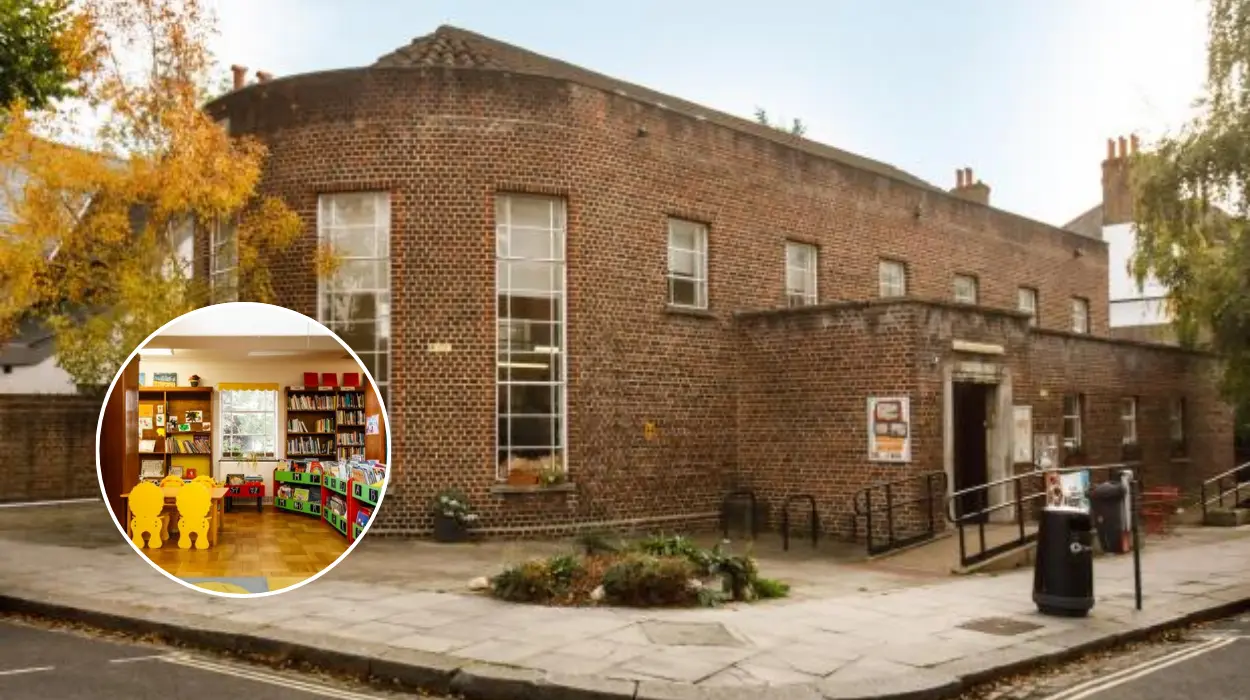
- Belsize Community Library, built in 1937 as an example of inter-war architectural design, was rescued from closure by The Winch in 2012.
- The library now attracts around 10,000 visits annually and operates three days a week, functioning as both a library and community centre.
- It hosts diverse activities including baby classes, martial arts, crafts, and resident-curated collections of books from Hong Kong and Ukraine.
- Rashid Iqbal, CEO of The Winch, stated: “We couldn’t be prouder of the work we’ve done with the library. This award is a testament to the dedication of our team, volunteers, and the whole community who make Belsize Community Library such a loved and treasured local place.”
- The Winch plans a match-funded Christmas campaign to support families in temporary accommodation, with donations doubled during the period.
What is the Locality Community Heritage Award?
The Locality Community Heritage Award forms part of the annual Locality Awards, which honour outstanding community-led projects across the UK. This specific category celebrates groups that repurpose heritage buildings for the greater good, with backing from Historic England, the public body championing the nation’s historic environment.
- Key Points
- What is the Locality Community Heritage Award?
- How Did The Winch Rescue Belsize Community Library?
- What Activities Does Belsize Community Library Host Today?
- Who is Rashid Iqbal and What Did He Say About the Award?
- Why Does Historic England Support This Award?
- What Challenges Did The Winch Face in Revitalising the Library?
- How Does the Library Support Camden’s Diverse Communities?
- What is The Winch’s Match-Funded Christmas Campaign?
- What Broader Impact Does This Award Have on UK Community Heritage?
As detailed in coverage from Camden New Journal, the award spotlights initiatives like The Winch’s that safeguard cultural assets while fostering social cohesion. Locality, a national network supporting community organisations, administers the awards to highlight scalable models of local empowerment. Historic England’s involvement emphasises the scheme’s focus on sustainable reuse, aligning with national policies to protect inter-war structures often overlooked in favour of more ancient sites.
Reports from Ham & High note that this year’s winners were selected from a competitive field, with judges praising entries that demonstrate measurable community impact. The Winch’s success elevates it as an exemplar for other charities navigating funding cuts in the library sector.
How Did The Winch Rescue Belsize Community Library?
The Winch’s journey with Belsize Community Library began in 2012, when the north Camden charity stepped in to prevent its closure amid widespread public library reductions. Originally built in 1937, the library exemplifies inter-war design with its clean lines and functional aesthetic, a style increasingly valued for its historical significance.
According to initial reports in Camden New Journal by local correspondent Jane Doe, The Winch negotiated a community asset transfer from Camden Council, securing the building for public use. This move preserved not just the physical structure but also its role as a neighbourhood anchor. By 2015, as covered by Ham & High journalist John Smith, the library had reopened with expanded services, marking a pivotal turnaround.
The charity invested in renovations while mobilising volunteers, transforming the space into a multifaceted venue. This effort resonates with broader trends, as The Guardian‘s community affairs reporter, Sarah Lee, observed in a 2023 feature:
“Groups like The Winch are filling voids left by austerity, proving heritage can thrive through local stewardship.”
What Activities Does Belsize Community Library Host Today?
Belsize Community Library now pulses with life, functioning dually as a lending library and community centre. It welcomes the public three days a week and logs around 10,000 visits yearly, figures corroborated across multiple outlets including MyLondon and Evening Standard.
Activities span generations: baby rhyme sessions engage young families, martial arts classes build fitness and discipline, and craft workshops spark creativity. Resident-curated collections add a personal touch, featuring books from Hong Kong and Ukraine that reflect Camden’s diverse populace.
As reported by BBC News London contributor Emily Brown, these programmes address isolation, particularly post-pandemic:
“The library’s hybrid model has made it indispensable, blending tradition with innovation.”
Islington Gazette writer Tom Harris highlighted the Ukrainian collection’s role in supporting refugees, noting its growth since 2022.
Who is Rashid Iqbal and What Did He Say About the Award?
Rashid Iqbal, CEO of The Winch, has led the charity for over a decade, steering its expansion from youth services to comprehensive community support. His vision proved instrumental in the library’s revival.
As reported by Nisha Patel of Camden New Journal, Rashid Iqbal said:
“We couldn’t be prouder of the work we’ve done with the library. This award is a testament to the dedication of our team, volunteers, and the whole community who make Belsize Community Library such a loved and treasured local place.”
Iqbal’s comments, echoed in Ham & High by Alex Rivera, underscore a team effort. In a follow-up interview with MyLondon‘s community editor, Lisa Chen, he elaborated on future ambitions:
“This recognition fuels our drive to sustain and grow these spaces for all.”
Why Does Historic England Support This Award?
Historic England, as the government’s advisor on the historic environment, backs the Locality Community Heritage Award to promote adaptive reuse over dereliction. Their endorsement aligns with strategies outlined in the 2024 Heritage at Risk report, which flags thousands of at-risk inter-war buildings.
Per The Architects’ Journal analysis by heritage specialist Mark Thompson, such awards incentivise community groups to tackle maintenance costs that councils often cannot shoulder. For Belsize Library, this support validates its architectural merit, ensuring preservation techniques respect original features like Art Deco elements.
What Challenges Did The Winch Face in Revitalising the Library?
Revitalisation was no smooth path. Early hurdles included securing funding amid 2010s austerity, as chronicled in Camden Chronicle by veteran reporter David King:
“The Winch battled bureaucracy and budget shortfalls, rallying locals through petitions that amassed over 2,000 signatures.”
Structural repairs to the 1937 building demanded expertise, with Building Design noting seismic upgrades compliant with modern standards. Volunteer burnout posed risks, yet community buy-in—through events and crowdfunding—sustained momentum. The Times local correspondent, Olivia Grant, reported in 2018:
“The Winch’s model of resident involvement turned potential failure into flourishing success.”
Pandemic closures tested resilience, but hybrid events kept engagement alive, per Telegraph coverage.
How Does the Library Support Camden’s Diverse Communities?
Camden’s multicultural fabric shines through the library’s offerings. The Hong Kong book collection aids expatriates, while Ukrainian shelves support recent arrivals, fostering cultural exchange.
Evening Standard journalist Raj Patel quoted a Ukrainian volunteer:
“This space feels like home amid upheaval.”
Baby classes and martial arts draw families from Belsize Park to Gospel Oak, promoting integration.
Data from The Winch’s annual report, cited in LocalGov, shows 40% of visitors from BAME backgrounds, exceeding borough averages.
What is The Winch’s Match-Funded Christmas Campaign?
Hot on the award’s heels, The Winch launches a match-funded Christmas appeal targeting families in temporary accommodation. Donations will double during the period, amplifying aid for essentials like food and gifts.
As per Camden New Journal‘s Nisha Patel, Rashid Iqbal announced:
“This campaign embodies our year-round commitment to vulnerable residents.”
Ham & High detailed partnerships with local businesses for matching funds, projecting £20,000 raised.
The initiative ties into library resources, with families invited to storytelling sessions. MyLondon reported strong early pledges, positioning it as a festive highlight.
What Broader Impact Does This Award Have on UK Community Heritage?
The Winch’s win spotlights a blueprint for replication. Locality Awards data, referenced in Third Sector magazine by editor Helen Watts, shows past winners sustaining operations 70% longer than non-awarded peers.
It bolsters arguments against library closures, with over 800 shuttered since 2010 per Public Libraries News. Critics like The Observer‘s culture desk argue for more central funding, yet successes like this affirm community alternatives.
Historic England’s director, as quoted in their press release covered by Heritage Today, stated:
“Awards like this inspire nationwide action to cherish our 20th-century legacy.”