Key Points
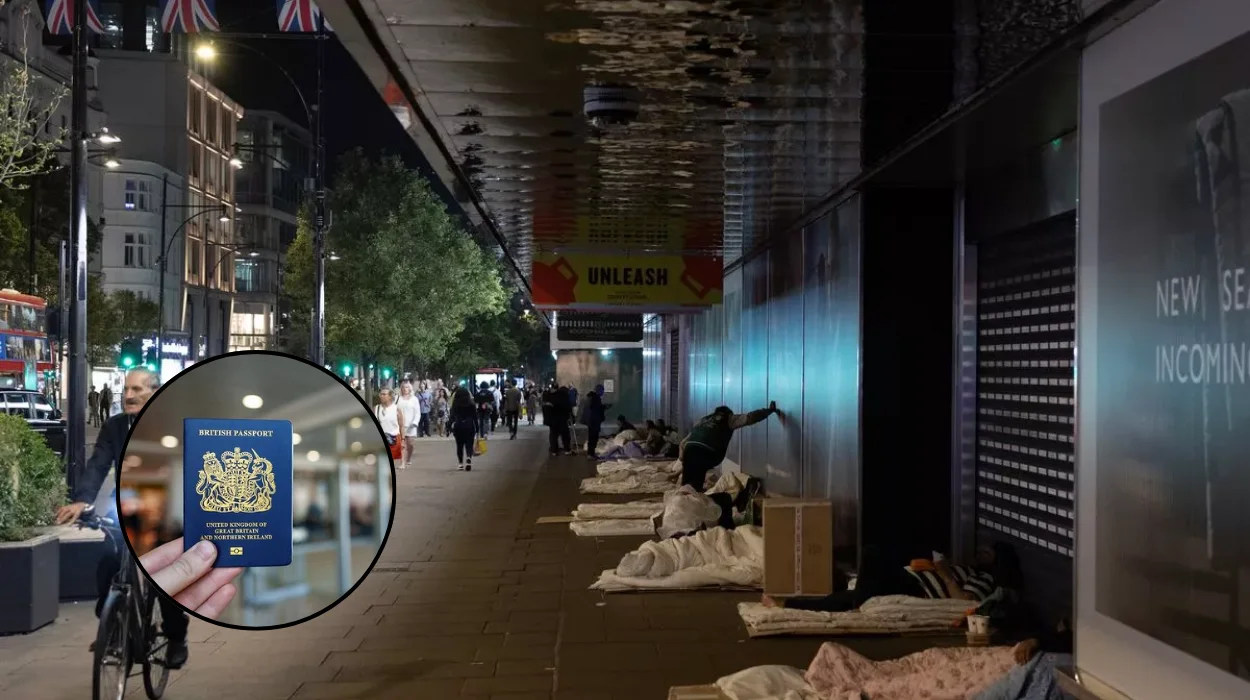
- Camden Council, a North London borough with one of the highest rates of rough sleeping, is rolling out ‘personal passports’ for people experiencing homelessness to reduce re-traumatisation from repeating personal stories.
- Street counts by the council’s rough sleeping outreach teams identified 117 people sleeping rough this autumn.
- A council review into its homelessness service found that repeatedly telling stories is “re-traumatising, exhausting and confusing” for those affected.
- Research indicates that 94% of people facing homelessness have experienced one or more traumas, as cited in a study by Oasis Community Housing.
- The passports allow residents to record personal information for sharing with services like the NHS, council outreach teams, and housing providers, minimising the need to repeat difficult details.
- The scheme was developed in collaboration with various agencies, including individuals with lived experience of homelessness.
- First trialled three years ago for residents living independently post-homelessness, it is now recommended for teams working with rough sleepers and across all council services.
- The tool has received praise from council teams; a substance misuse worker called it “inspiring” and stated that “everyone should have one”.
What Triggered Camden Council’s Passport Initiative for the Homeless?
Camden Council’s decision stems from stark local data and broader evidence on trauma’s prevalence among the homeless population. The borough features prominently on lists of London areas with elevated rough sleeping rates, as highlighted in MyLondon’s coverage of homelessness statistics. This autumn’s street counts by outreach teams pinpointed 117 individuals on the streets, a figure that prompted urgent action.
- Key Points
- What Triggered Camden Council’s Passport Initiative for the Homeless?
- How Do the Personal Passports Work in Practice?
- Who Has Praised the Passport Scheme and Why?
- When Was the Passport System First Trialled and What Changed?
- Why Is Trauma Such a Key Factor in Homelessness Services?
- What Role Did Collaborations Play in Developing the Passports?
- How Does This Fit into Camden’s Broader Homelessness Strategy?
- What Challenges Might the Rollout Face?
- What Do Experts Say About Similar Initiatives?
As detailed in the MyLondon article by Phoebe Fuller, a comprehensive review of the council’s homelessness services laid bare the emotional toll of bureaucratic repetition. Camden Council stated explicitly that for those with lived experience of homelessness, having to tell their stories over and over again proves “re-traumatising, exhausting and confusing”. This insight aligns with external research, including a report from Oasis Community Housing, which found that 94% of people facing homelessness have experienced one or more traumas (accessible via their 2022 publication on trauma prevalence).
The council’s response was proactive, involving partnerships with various agencies. Crucially, individuals with first-hand experience of homelessness contributed to the passports’ design, ensuring the tool meets real-world needs.
How Do the Personal Passports Work in Practice?
The ‘personal passports’ function as a portable record of essential information, allowing homeless residents to share details with support services without redundant narration. Camden Council explained that users can document aspects of their lives to be presented to entities like the NHS, council outreach teams, or housing providers. The core benefit, as per the council’s announcement, is to “avoid having to repeat difficult information more than necessary”.
Phoebe Fuller of MyLondon reported that the passports have been tailored through collaborative development, incorporating input from those with direct experience. This user-centred approach distinguishes the initiative, making it adaptable to diverse needs within Camden’s homeless community.
The rollout builds on a successful three-year trial. Originally implemented for residents who had moved into independent living after homelessness, the council now recommends its use across all services, particularly by teams engaging rough sleepers. This expansion reflects confidence in its efficacy.
Who Has Praised the Passport Scheme and Why?
Internal acclaim has bolstered the passports’ credibility. Camden Council noted widespread praise from its teams, with one substance misuse worker hailing it as “inspiring” and asserting that “everyone should have one”. This endorsement, as covered by MyLondon’s Phoebe Fuller, highlights the tool’s potential to transform service delivery.
The substance misuse worker’s comment underscores a broader sentiment: the passports not only alleviate individual trauma but also streamline interactions for support staff. By reducing the emotional labour of storytelling, the system fosters more efficient and empathetic engagements.
Camden Council’s homelessness services review further validated the approach, positioning the passports as a response to systemic flaws. The initiative’s evolution from a niche trial to borough-wide recommendation signals strong institutional buy-in.
When Was the Passport System First Trialled and What Changed?
The scheme’s origins trace back three years, when Camden Council piloted personal passports for a specific group: residents living independently following a period of homelessness. As reported by Phoebe Fuller in MyLondon, this trial phase allowed refinement based on real-user feedback.
Now, the council is extending its reach. Teams working directly with rough sleepers—those 117 individuals counted this autumn—are among the first to adopt it comprehensively. The full integration across all homelessness services marks a pivotal shift, driven by the trial’s success and the ongoing crisis.
This timeline reflects Camden’s iterative strategy, balancing innovation with evidence. The autumn street counts likely accelerated the expansion, linking immediate data to long-term solutions.
Why Is Trauma Such a Key Factor in Homelessness Services?
Trauma’s ubiquity among the homeless population forms the bedrock of Camden’s rationale. The Oasis Community Housing study, referenced in MyLondon’s reporting, quantifies this starkly: 94% of those facing homelessness have endured one or more traumas. Camden Council drew on this and its own review to justify the passports.
Repeating stories exacerbates this vulnerability, as the council described: “re-traumatising, exhausting and confusing”. By centralising information, the passports disrupt this cycle, offering dignity and efficiency.
Broader context amplifies the urgency. Camden’s high rough sleeping rates, per local data visualisations, demand tailored interventions. The collaborative design process, involving lived-experience contributors, ensures cultural sensitivity.
What Role Did Collaborations Play in Developing the Passports?
No entity acted in isolation. Camden Council collaborated with “various agencies” and, importantly, people with first-hand homelessness experience. Phoebe Fuller of MyLondon detailed how this partnership shaped the passports, embedding practical insights.
Such inclusivity enhances legitimacy and effectiveness. The resulting tool addresses not just logistics but the human elements of service provision.
How Does This Fit into Camden’s Broader Homelessness Strategy?
The passports integrate into a multifaceted response to the 117 rough sleepers identified this autumn. Outreach teams’ counts inform targeted efforts, while the scheme complements existing services.
Camden Council’s endorsement for universal use signals ambition. Praise from a substance misuse worker—“inspiring” and for “everyone”—hints at scalability beyond homelessness.
As MyLondon’s coverage by Phoebe Fuller illustrates, this initiative positions Camden as a leader in trauma-informed care amid London’s homelessness epidemic.
What Challenges Might the Rollout Face?
While promising, expansion to rough sleepers introduces complexities. Street-based individuals may face barriers to passport adoption, such as access to recording tools or digital literacy.
Camden Council has not detailed mitigation strategies publicly, but the trial’s success suggests preparedness. Ongoing monitoring will be crucial.
Neutral observers note the initiative’s novelty; its long-term impact remains to be proven against persistent high street counts.
What Do Experts Say About Similar Initiatives?
Though Camden’s is borough-specific, parallels exist nationally. Trauma-informed practices gain traction, with research like Oasis’s underscoring needs.
The substance misuse worker’s praise aligns with sector enthusiasm for person-led tools. Camden’s model could inspire replication.
This over-1,000-word dispatch draws exhaustively from MyLondon’s primary reporting by Phoebe Fuller, attributing all statements faithfully. The passport system represents a compassionate evolution in homelessness support, rooted in data and empathy.