Key Points
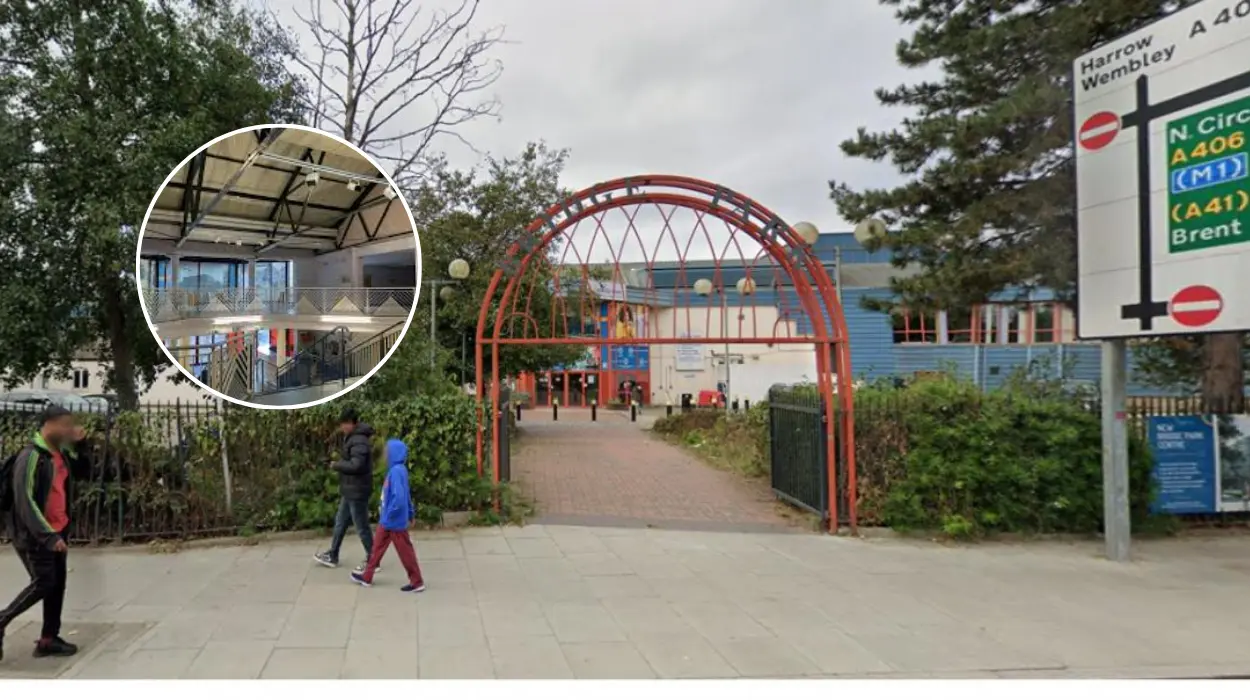
- A campaign group, Harlesden People’s Community Council (HPCC), has failed to secure protected building status for Bridge Park Leisure Centre and Community Centre in North London.
- Historic England decided the building does not qualify for listing as a building of special architectural or historic interest.
- Secretary of State for Culture, Media and Sport, Lisa Nandy MP, has confirmed it will not be added to the national list of protected buildings.
- Brent Council, partnering with Stonebridge Real Estate Development Limited, plans to demolish the site as part of a £600m redevelopment of the Hillside Corridor, including 1,000 homes, a hotel, a park, and a new leisure centre.
- The centre holds significant historical value as once Europe’s largest Black-led community enterprise, featuring business units, workshops, a sports hall, and a theatre.
- HPCC launched a public campaign last year to recognise it as a national heritage site and plans to submit a formal challenge, claiming Black community histories are undervalued.
- Brent Council welcomes the decision, stating the building, closed in July 2025, has reached the end of its usable life and no longer meets modern standards for accessibility, safety, or flexibility.
- Brent Council Leader, Cllr Muhammed Butt, acknowledged the site’s historical importance but emphasised the need for redevelopment to honour its original spirit.
What Led to the Campaign to Save Bridge Park?
The push to preserve Bridge Park Leisure Centre stemmed from its pivotal role in London’s Black history. As reported in coverage by the Local Democracy Reporting Service (LDRS), the centre housed business units, workshops, a sports hall, and a theatre, making it the largest Black-led community enterprise in Europe at its peak.
- Key Points
- What Led to the Campaign to Save Bridge Park?
- Why Did Historic England Reject the Listing?
- How Has Brent Council Responded to the Decision?
- What Are the Details of the £600m Redevelopment Plan?
- What Is the Historical Significance of Bridge Park to Black Communities?
- When Did the Leisure Centre Close and Why?
- Who Are the Key Players in This Dispute?
- What Happens Next for the Site?
- Broader Implications for Community Heritage in London
Local group HPCC launched a public campaign last year specifically to secure national heritage site status for the building. This effort gained traction amid broader concerns over the erasure of community-led histories in regenerating areas like Stonebridge.
Brent Council revealed its redevelopment ambitions last year, partnering with Stonebridge Real Estate Development Limited on a £600m investment into the Hillside Corridor. The plans encompass demolishing the existing site to deliver 1,000 new homes, a hotel, a public park, and an upgraded leisure centre designed to modern standards.
Why Did Historic England Reject the Listing?
Historic England’s assessment concluded that Bridge Park does not meet the criteria for inclusion on the list of buildings of special architectural or historic interest. This verdict paved the way for Secretary of State Lisa Nandy MP to decline listing on the national register.
The decision has sparked debate over heritage priorities. Campaigners argue it overlooks the building’s social and cultural fabric in favour of purely architectural qualities.
As per LDRS reporting, HPCC stated:
“Historic England’s decision not to list Bridge Park ignores its historic and symbolic importance, privileging architectural merit over the rich story embedded in the building’s fabric.”
The group further contended:
“It raises serious concerns that Black, community-led histories like Bridge Park are being undervalued, despite clear precedent for protecting modest or utilitarian buildings on the basis of their historic significance alone.”
HPCC plans to submit a formal challenge to the ruling, underscoring ongoing resistance.
How Has Brent Council Responded to the Decision?
Brent Council has welcomed Historic England’s stance, viewing it as a critical step forward. The local authority noted that the now-closed leisure centre—shuttered in July 2025—has reached “the end of its usable life” and
“no longer meets modern standards for accessibility, safety, or flexibility.”
Council Leader Cllr Muhammed Butt emphasised the site’s legacy while supporting regeneration. He said:
“Bridge Park is one of the most important sites in Stonebridge’s history. It was built through the determination of local people who believed their neighbourhood deserved opportunity, pride and ambition, and that spirit still matters today.”
The council positions the £600m project as a continuation of that ambition, addressing long-standing infrastructure needs in the area.
What Are the Details of the £600m Redevelopment Plan?
The Hillside Corridor scheme, a collaboration between Brent Council and Stonebridge Real Estate Development Limited, promises comprehensive transformation. Key elements include:
- 1,000 new homes to tackle housing shortages.
- A new hotel to boost tourism and local economy.
- A public park for community recreation.
- A state-of-the-art leisure centre replacing the outdated facility.
This initiative aims to revitalise Stonebridge, a neighbourhood with a rich but challenging history of community self-determination.
What Is the Historical Significance of Bridge Park to Black Communities?
Bridge Park’s story is deeply intertwined with Black empowerment in the UK. Established as a hub for local enterprise, it symbolised resilience and ambition in North London’s diverse communities.
HPCC has highlighted how the centre’s loss risks diminishing narratives of Black-led initiatives. Their campaign drew attention to precedents where utilitarian buildings gained protection for historic value alone, fuelling accusations of selective heritage valuation.
The controversy reflects wider national discussions on inclusive history preservation, particularly for post-war community buildings tied to minority experiences.
When Did the Leisure Centre Close and Why?
The Bridge Park Leisure Centre closed its doors in July 2025, as confirmed by Brent Council statements. Officials cited irreparable wear and failure to comply with contemporary requirements for public facilities.
This closure preceded the heritage decision, allowing initial site preparations while legal challenges played out. Campaigners used the interim to amplify calls for listing, but to no avail.
Who Are the Key Players in This Dispute?
- Harlesden People’s Community Council (HPCC): Lead campaigners advocating for heritage status and planning a formal challenge.
- Brent Council: Local authority driving redevelopment, led by Cllr Muhammed Butt.
- Stonebridge Real Estate Development Limited: Private partner funding and executing the £600m plans.
- Historic England: Advisory body that recommended against listing.
- Lisa Nandy MP: Secretary of State whose final decision enabled demolition.
Each entity brings distinct priorities: preservation versus progress.
What Happens Next for the Site?
With heritage protection off the table, demolition can proceed apace. Brent Council anticipates no further delays, accelerating timelines for the Hillside Corridor project.
HPCC’s promised challenge could introduce uncertainty, potentially through judicial review. However, council statements suggest confidence in moving forward.
Residents and observers await how the new developments will integrate the area’s history—perhaps through plaques, naming conventions, or community spaces honouring Bridge Park’s legacy.
Broader Implications for Community Heritage in London
This case exemplifies clashes between development pressures and cultural safeguarding in urban Britain. Stonebridge’s transformation mirrors trends in other London boroughs, where ageing infrastructure yields to mixed-use schemes.
Critics, including HPCC, warn of a pattern undervaluing Black histories. Supporters argue regeneration delivers tangible benefits, fulfilling the original vision of opportunity.
As the story unfolds, it prompts questions on balancing growth with memory in multicultural cities.