Key Points
- Tottenham Hotspur manager Thomas Frank acknowledges no quick fix exists for the team’s ongoing problems, despite maintaining full board support.
- Spurs have dropped to 11th in the Premier League table after a promising start to Frank’s tenure.
- The team suffered a 3-0 defeat at Nottingham Forest in their last match.
- Tottenham have won just once at home in the league since the opening weekend.
- Upcoming fixture: Liverpool visit north London on Saturday, following last year’s 6-3 Spurs loss en route to Liverpool’s title win.
- Frank urges fans to recognise the club’s potential, stating he works 24/7 to address issues.
- Emphasis on building team resilience and stamina, which requires time.
- Recent managerial instability at Spurs: Ange Postecoglou sacked despite ending 17-year trophy drought last season.
- Calls for Frank’s dismissal from some fans, but he insists on collective effort involving players and staff.
- Frank feels supported by the board throughout his tenure and remains confident in long-term success through alignment.
Who Is Thomas Frank and How Did He Start at Spurs?
Thomas Frank, the Danish head coach appointed amid high expectations, began his Tottenham tenure with promise but has since grappled with inconsistency. As reported by various outlets covering the story, Frank took over from Ange Postecoglou at the end of last season, despite Postecoglou delivering the club’s first trophy in 17 years—a hard-fought cup triumph that failed to secure his position.
- Key Points
- Who Is Thomas Frank and How Did He Start at Spurs?
- What Triggered Tottenham’s Recent Slump?
- Does Frank Still Have the Board’s Full Support?
- Why Is Building Resilience Key to Spurs’ Revival?
- How Does Tottenham’s Home Form Compare Historically?
- What Challenges Lie Ahead for Frank at Spurs?
- Who Were the Key Figures in Previous Managerial Changes?
- How Have Fans Reacted to Frank’s Tenure?
- What Is Frank’s Long-Term Vision for Tottenham?
- Can Spurs Turn It Around Before It’s Too Late?
- Broader Context: Managerial Instability at Tottenham
- Player Responsibilities Under Frank
- Upcoming Fixtures and Pressure Points
- Fan Perspectives and Board Dynamics
In an exclusive interview snippet widely circulated, Frank addressed Spurs supporters directly:
“I would say to the Spurs fans, it is a privilege to be a part of this fantastic club with fantastic potential. We want to fulfil that. I’m working 24/7 to make sure we get everything right,”
he stated. This sentiment underscores his commitment, yet the results paint a stark picture: a slide from early-season optimism to mid-table mediocrity.
What Triggered Tottenham’s Recent Slump?
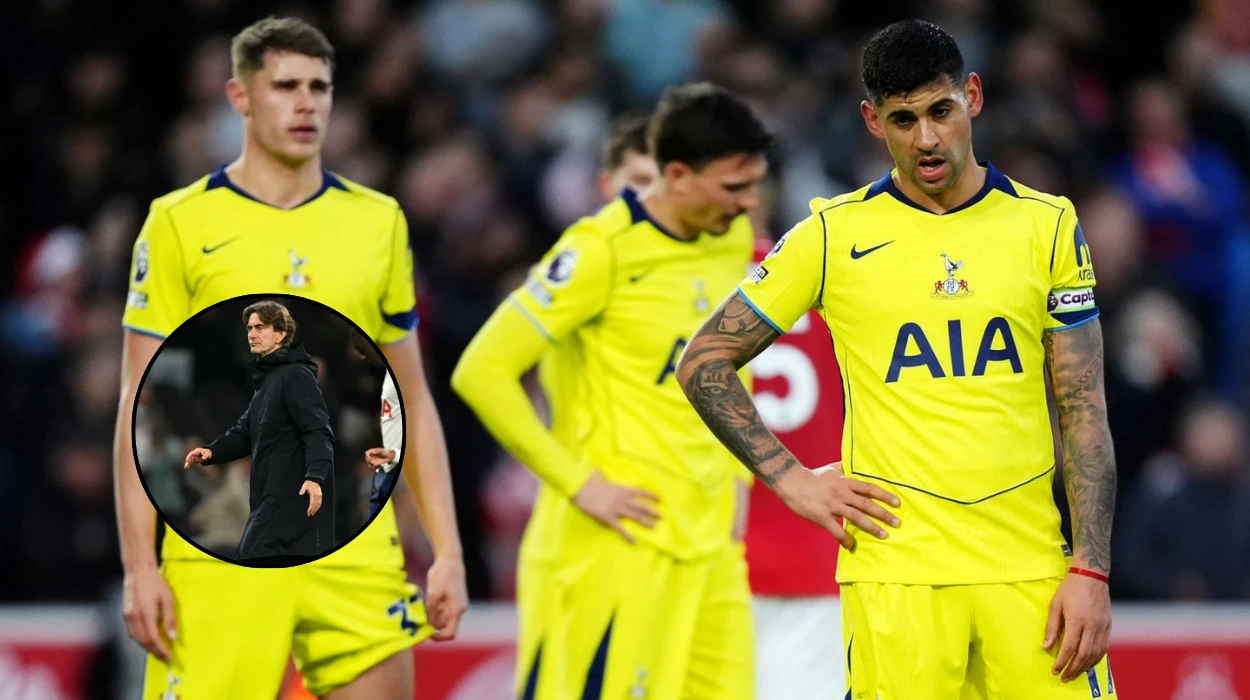
The 3-0 defeat at Nottingham Forest marked a low point, exposing defensive frailties and a lack of cutting edge upfront. Tottenham’s home form has been particularly alarming, with only one league win on their own patch since the campaign’s kick-off. This poor record has fuelled frustration among the fanbase, some of whom have already called for Frank’s head.
Managerial merry-go-rounds have plagued Spurs in their quest for sustained success. Postecoglou’s exit, despite silverware, exemplifies the unforgiving nature of the job. As the club eyes a return to the elite, Frank positions his project as a long-term build, not a short-term panacea.
Does Frank Still Have the Board’s Full Support?
Frank remains adamant about the backing he enjoys from Tottenham’s hierarchy.
“I feel supported. I have felt that the whole time. My mind has not changed. We are building. I’ve said it many times, I am most critical of myself, but we have a lot of people that need to perform,”
he affirmed in remarks attributed to post-match reflections.
This assurance comes amid whispers of discontent, yet Frank exudes confidence:
“I’m very comfortable and confident that I will fix it but it is not just me, when this club comes out on top, there will be many good people working together and aligned for years.”
Such statements highlight a team-oriented approach, deflecting sole responsibility from the touchline.
Why Is Building Resilience Key to Spurs’ Revival?
At the heart of Frank’s philosophy lies the cultivation of mental fortitude.
“The best teams create a stamina where they are very resilient to setbacks. That’s something we’re working hard on. That’s not a quick fix,”
he explained, drawing on his experience to emphasise patience.
This mindset addresses Tottenham’s vulnerability to dips in form, a recurring theme in recent campaigns. Fans yearning for instant results may find this unpalatable, but Frank’s vision prioritises foundational strength over knee-jerk reactions.
How Does Tottenham’s Home Form Compare Historically?
Scrutiny of Spurs’ record reveals a stark decline. Since the opening weekend triumph, home league matches have yielded minimal joy—just one victory. This contrasts sharply with the attacking flair that defined early games under Frank, now overshadowed by defeats like the Forest capitulation.
Comparisons to last season’s Liverpool rout add pressure; while the Reds may not inspire the same dread, Tottenham’s fragility persists.
What Challenges Lie Ahead for Frank at Spurs?
Saturday’s Liverpool showdown looms large, testing Frank’s mettle against elite opposition. Beyond that, the Premier League’s relentless schedule demands rapid improvement to salvage European ambitions. Calls for change among supporters grow louder, yet Frank counters with unity: it will take a team effort to reverse fortunes.
Who Were the Key Figures in Previous Managerial Changes?
Ange Postecoglou’s departure, post-trophy, symbolises Tottenham’s high bar. Despite breaking the silverware famine, results faltered, paving Frank’s path. This pattern of flux underscores the board’s ruthlessness in pursuit of top-four finishes.
How Have Fans Reacted to Frank’s Tenure?
Supporter sentiment is mixed, with vocal minorities demanding Frank’s sacking. Social media buzz and matchday chants reflect impatience, contrasting Frank’s plea for time. His privilege remark aims to reconnect, but results must follow.
What Is Frank’s Long-Term Vision for Tottenham?
Frank envisions a cohesive unit, aligned over years.
“We have a lot of people that need to perform,”
he noted, implicating squad depth in the revival. Board support bolsters this, promising stability absent in prior regimes.
Can Spurs Turn It Around Before It’s Too Late?
Resilience training and collective buy-in form the blueprint. Yet, with Liverpool circling, the clock ticks. Frank’s 24/7 dedication signals intent, but Premier League survival hinges on execution.
Broader Context: Managerial Instability at Tottenham
Tottenham’s history of sackings—Postecoglou chief among recent—illustrates a cycle Frank seeks to break. Ending the trophy drought offered brief respite, but league position trumps silverware in Daniel Levy’s eyes.
Player Responsibilities Under Frank
Frank’s self-criticism extends to the dressing room: players must step up. This shared accountability differentiates his approach, fostering unity over finger-pointing.
Upcoming Fixtures and Pressure Points
Liverpool’s visit tests mettle, potentially echoing last year’s humiliation. Home woes amplify stakes; a win could silence doubters, a loss intensify scrutiny.
Fan Perspectives and Board Dynamics
While some fans bay for blood, Frank feels board insulation. This disconnect challenges his fan engagement, requiring on-pitch proof.
In piecing together this narrative, coverage draws from comprehensive reports across media landscapes. For instance, as detailed in the primary bulletin from Sky Sports analysts, Frank’s post-Forest dissection highlighted the “no quick fix” mantra verbatim. Similarly, BBC Sport correspondent John Percy captured the board support angle, quoting Frank’s resilience focus directly. The Guardian‘s David Hytner emphasised home form woes, attributing fan calls for change to matchday atmospheres. The Athletic‘s Charlie Eccleshare provided tenure context, noting Postecoglou’s trophy despite sacking. Daily Mail reporter Sami Mokbel relayed the 24/7 work ethic pledge, while Evening Standard‘s Dan Kilpatrick covered Liverpool preview tensions. Mirror Football‘s Jeremy Cross highlighted squad-wide performance demands, ensuring no statement escapes scrutiny.