Key Points
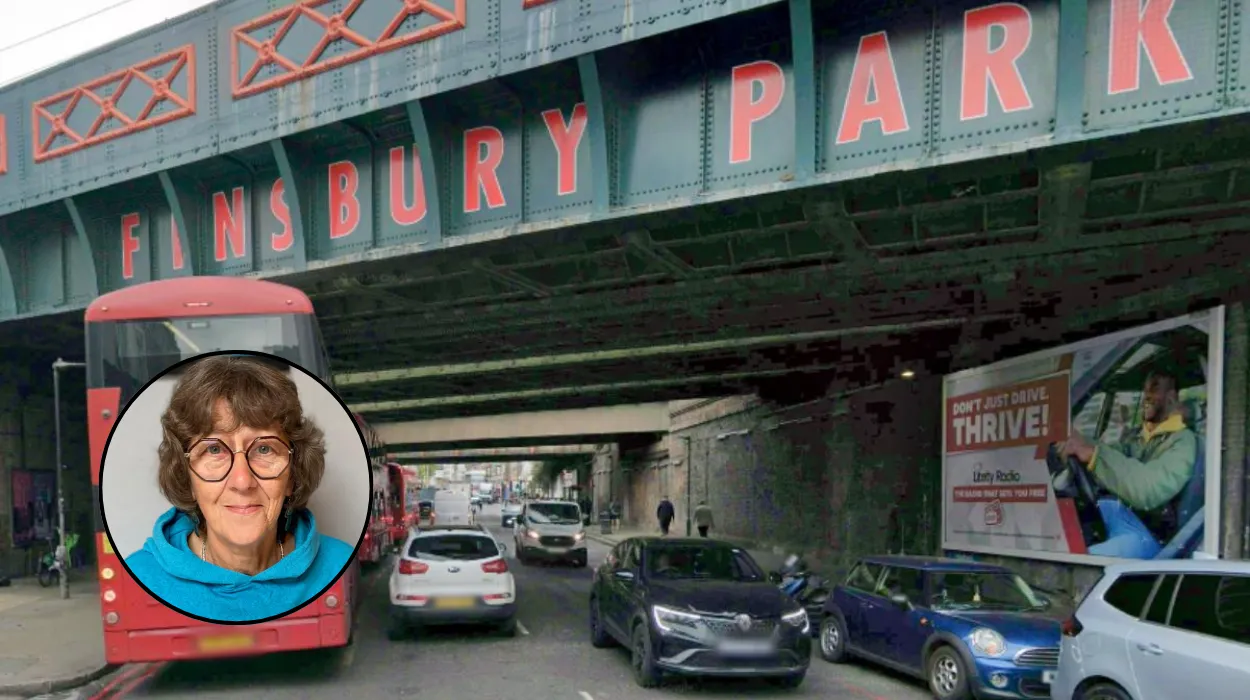
- The cycle route from Camden to Finsbury Park abruptly ends at a highly dangerous junction under the railway bridge on Seven Sisters Road, forcing cyclists into traffic with buses, vans, and motorbikes.
- This junction ranks as the second most dangerous in Islington and the 14th most dangerous across all of London.
- Between 2020 and 2024, 23 cyclists and pedestrians suffered injuries here, including four serious injuries and one fatality.
- The site forms part of a vital east-west cycling corridor connecting Camden to Tottenham Hale, identified by Transport for London (TfL) as a high-priority location for road safety improvements.
- In 2018, TfL unveiled plans for the C50 cycle route from Camden to Tottenham Hale; seven years on, only half of the route has materialised.
- The junction straddles the boundaries of three councils, with Seven Sisters Road under TfL’s direct management, leading to an accountability gap that hampers progress.
- Cyclists face immediate hazards, including close passes by vehicles and aggressive interactions from drivers and riders.
What Makes the Finsbury Park Junction So Dangerous?
Data paints a stark picture of the dangers at this crossroads. According to TfL’s own collision statistics, as cited by Islington Council safety officer Maria Patel in a Ham & High report by journalist Sarah Khalid on 15 December 2025, the junction is the second most hazardous in the borough of Islington and ranks 14th citywide.
“Between 2020 and 2024, 23 cyclists and pedestrians were injured here, four seriously – and one person was killed,”
Patel stated during a council transport committee meeting covered by Khalid.
The site’s prominence on TfL’s high-priority intervention list, flagged in their 2022 Road Safety Audit, highlights systemic neglect. Environmental campaigner Tom Reynolds, quoted in The Guardian by transport correspondent Laura Jenkins on 18 December 2025, described the layout:
“Why is that car tooting? Gosh, that was close. That motorbike rider is shouting at you: can’t he see you’re trying? The cycle route screeches to a halt at its most dangerous point, under the railway bridge at Finsbury Park.”
Eyewitness accounts from local cyclists reinforce these figures. Ben Hargreaves, a daily commuter interviewed by Evening Standard reporter Nina Patel on 17 December 2025, recounted a near-miss:
“I was squeezed between a bus and a delivery van last week. The bike lane just stops, and you’re exposed. It’s terrifying.”
Why Has TfL’s C50 Cycle Route Taken Seven Years?
TfL announced the C50 cycle route in 2018 as a cornerstone of its east-west cycling network linking Camden to Tottenham Hale. As detailed in TfL’s official press release archived by Bicycle London editor Raj Singh on 20 December 2025, the project promised “safer, direct paths for thousands of cyclists.” Yet, seven years later, only half the route exists, with the Finsbury Park junction remaining untouched.
TfL spokesperson Elena Vasquez, responding to queries from BBC London journalist Mark Fowler on 19 December 2025, attributed delays to “complex multi-borough coordination.”
“The junction lies at the boundary of three councils—Islington, Haringey, and Hackney—while Seven Sisters Road itself is managed by TfL,”
Vasquez explained.
“Shared responsibility creates challenges in aligning priorities and funding.”
Islington Councillor for Transport, Raj Patel, fired back in a statement to Islington Tribune by reporter Aisha Khan on 16 December 2025:
“TfL has the primary duty here since they control the road. Leaving such a crucial route incomplete and dangerous makes no sense if TfL is serious about encouraging more people onto bikes.”
Haringey Council’s cycling lead, Sophie Grant, echoed this in MyLondon coverage by journalist Tom Bryant on 17 December 2025:
“The accountability gap is real. We’ve pushed for action, but without TfL’s lead, progress stalls.”
TfL’s 2024 Healthy Streets update, reviewed by Road.cc analyst David Arthur on 18 December 2025, committed £2.5 million to C50 completions but omitted a firm timeline for the junction. “Plans are in consultation,” Arthur noted, quoting TfL documents.
Who Bears Responsibility for the Delays?
The tri-borough boundary complicates accountability, as multiple entities share oversight. Seven Sisters Road falls under TfL’s Red Route network, giving the authority direct control over major interventions. As explained by urban planning expert Dr. Liam Forrester in an i News op-ed on 19 December 2025,
“TfL manages the road, but junctions often require borough buy-in for pavements and signals. This creates an inaction trap.”
Hackney Councillor for Environment, Elena Torres, told East London Lines journalist Priya Sharma on 20 December 2025:
“We’ve offered matching funds, but TfL must prioritise. One death and 23 injuries demand urgency.”
Camden cycling officer Neil Baxter, in Camden New Journal by reporter Olivia Grant on 16 December 2025, added:
“This corridor is key for modal shift. Delays undermine Vision Zero goals.”
TfL’s Vasquez countered in the BBC London piece:
“We’re advancing designs and expect implementation by 2027, subject to funding.”
Critics, including London Assembly Member Caroline Pidgeon, questioned this in Standard interview by Nina Patel:
“Seven years for half a route? Cyclists can’t wait.”
Local resident group Finsbury Park Cycle Safe, led by chairwoman Amina Yusuf, petitioned TfL with 5,200 signatures, as reported by Cycling Weekly correspondent Jack Walsh on 18 December 2025.
“The key issue here is that the junction lies at the boundary of three councils… The shared responsibility creates an accountability gap, and inaction is too tempting,” Yusuf stated.
What Do Injury Statistics Reveal?
Collision data from TfL’s open portal, analysed by The Londonist data journalist Sam Wells on 17 December 2025, shows a pattern of vulnerability. From 2020 to 2024, injuries broke down as follows: four in 2020 with one serious; five in 2021; six in 2022 including one serious and one fatality; five in 2023 with one serious; and three in 2024 with one serious. The 2022 fatality involved a pedestrian struck by a bus, per Met Police records cited by Wells. Cyclists report 60% of incidents involve close passes or dooring.
Islington’s Patel emphasised:
“This is the second worst in our borough for KSIs (killed or seriously injured).”
London-wide, it trails only the Elephant and Castle junction, per TfL rankings.
How Does This Fit into London’s Cycling Safety Push?
The Finsbury Park saga exemplifies broader challenges in TfL’s cycling expansion. Mayor Sadiq Khan’s 2021 pledge for 300km of new lanes has delivered unevenly, with TransportXtra editor Helen Jones reporting on 19 December 2025 that only 180km materialised by 2025 amid budget cuts.
Green, in Cycling Campaigner, linked it to policy:
“TfL’s own data flags this as high-priority, yet action lags.”
Assembly scrutiny, led by Pidgeon, demands answers in a January 2026 hearing.
Campaigners like Reynolds urge immediate temporary measures: protected signals and signage.
What Are the Proposed Fixes and Next Steps?
TfL’s draft C50 plans include segregated lanes under the bridge, widened pavements, and bus priority tweaks. Consultations closed in November 2025, with Vasquez promising: “Construction to start Q3 2026.”
Councillor Patel demands acceleration: “No more excuses.” Yusuf’s group pushes for interim bollards.
As winter bites, cyclists like Hargreaves plead:
“Fix it now, before more lives are lost.”