Hendon stands as a vibrant district in North London, seamlessly blending ancient history with modern suburban appeal. Located in the London Borough of Barnet under the NW4 postcode, it captivates residents and visitors alike with its rich heritage, expansive green spaces, and strong sense of community.
- Ancient Origins and Saxon Roots
- Medieval to Tudor Transformation
- Victorian Expansion and Suburban Boom
- Aviation Heritage and 20th Century Milestones
- Key Landmarks and Cultural Sites
- Modern Hendon: Community and Lifestyle
- Why Hendon Appeals to Families
- Exploring Hendon’s Hidden Gems
- Hendon’s Economic Evolution
- Outdoor Pursuits and Nature Trails
- Cultural Diversity and Events
- Dining and Nightlife Highlights
Ancient Origins and Saxon Roots
Hendon derives its name from Saxon origins, specifically “Hendun,” which translates to “at the high hill.” Archaeological findings point to Romano-British settlements dating back over a millennium, drawn by the area’s elevated terrain at vital trade route intersections. This prime positioning between London and northern England fueled early development, while surrounding dense woodlands provided essential fuel-wood for London’s bakers, brewers, and potters. As coal imports surged in the 16th century, these woods shifted toward hay production for the capital’s growing needs.
The fertile lands sustained orchards, vineyards, and dairy farms, forming the cornerstone of Hendon’s rural economy for generations. This agricultural foundation not only shaped daily life but also cemented the area’s role as a reliable supplier to the expanding city of London.
Medieval to Tudor Transformation
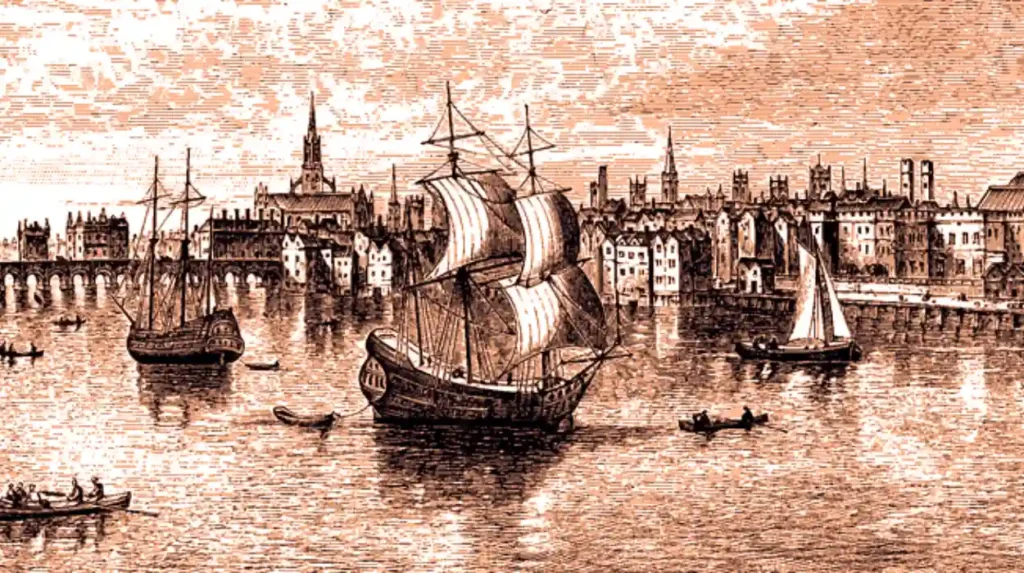
Throughout the medieval period, Hendon functioned as a expansive rural parish spanning roughly 8,250 acres, including neighborhoods like Childs Hill, Golders Green, and Mill Hill. At its heart lies St. Mary’s Church, with roots in the 13th century and earlier Norman elements, serving as a enduring landmark whose ancient graveyard whispers stories of bygone eras.
Prominent manors such as Hyde, under Westminster Abbey’s control, oversaw much of the land. The Tudor era witnessed widespread woodland clearance to produce hay for London’s burgeoning horse-drawn transport, marking a pivotal economic pivot from timber to fodder. Historical records from this time highlight Hendon’s integral position in the capital’s supply network, further amplified by the 17th century when coaching inns along Watling Street—now the A5 Edgware Road—flourished, with establishments like the Rose and Crown catering to weary travelers.
Victorian Expansion and Suburban Boom
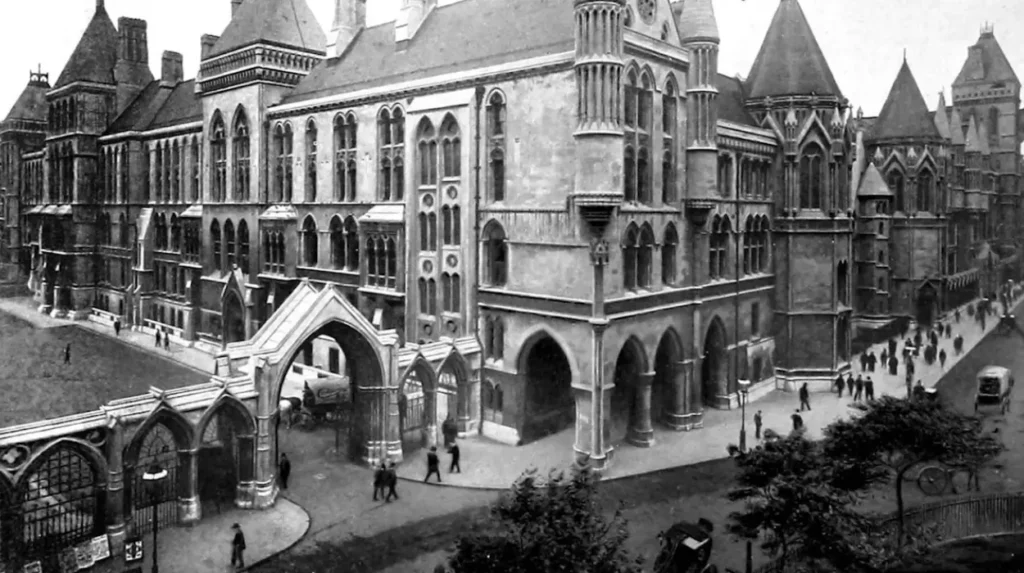
The 19th century ushered in transformative railways that propelled Hendon toward urbanization. The opening of Hendon station on the Midland Railway in 1867 linked it directly to London St. Pancras, igniting a wave of residential construction. In West Hendon, the “New Hendon” development emerged during the 1880s, featuring early terrace housing like Neeld Terrace from 1881, followed by over 200 new homes by 1886, complete with Baptist mission halls and the Anglican St. John’s Church.
Administrative changes reflected this growth: Hendon gained urban district status in 1894 and evolved into the Municipal Borough of Hendon in 1932, incorporating Edgware. These shifts accompanied infrastructure booms, including new schools, parks, and enhanced public services.
Aviation Heritage and 20th Century Milestones
Hendon etched its name in aviation history during the early 20th century with the establishment of Hendon Aerodrome from 1910 to 1939. This site hosted the RAF’s inaugural public display in 1920 and the famous Hendon Pageant, attracting international audiences, while serving as a critical training ground during World War I. Upon closure, the aerodrome’s land transformed into the Grahame Park estate, a modern housing development.
Retail innovation arrived with the 1976 opening of Brent Cross Shopping Centre at Hendon’s southern boundary near the North Circular (A406), redefining shopping experiences north of London. Meanwhile, 1960s redevelopments like Sentinel Square replaced landmarks such as the Rose and Crown pub with contemporary shops and a Tesco superstore, and the 1939 Odeon cinema at the Quadrant gave way to housing in 1979.
Key Landmarks and Cultural Sites
Architectural treasures abound, including the 18th-century Gray’s Farm House, alongside the nearby British Library in Colindale, which safeguards millions of historical items. Sunny Hill Park spans 23 hectares of woodlands, meadows, and sports facilities, offering ample recreation. The Welsh Harp, or Brent Reservoir in West Hendon—created in 1820 for the Grand Union Canal—draws birdwatchers and watersports enthusiasts.
St. Mary’s Church endures as a focal point, its over 1,000-year-old yew tree symbolizing longevity. Educational legacy shines through Hendon School, established in 1878 and later a grammar school, underscoring the area’s commitment to learning.
Modern Hendon: Community and Lifestyle
Contemporary Hendon pulses as a diverse suburb with superb connectivity: Thameslink trains reach central London in just 20 minutes, complemented by nearby Northern Line access and M1 motorway proximity. Its substantial Jewish community—one of Europe’s largest—infuses the area with vibrant synagogues, kosher delis, and cultural traditions.
Housing variety includes semi-detached homes, apartments, and estates like Grahame Park, while independent shops along Brent Street and Vivian Avenue teem with cafes, markets, and eateries. Abundant green spaces such as Brent Park, Mill Hill Open Spaces, and cycling trails enhance daily life, with events like the Hendon Festival celebrating arts and history annually.
Why Hendon Appeals to Families
Excellent schools, including Hendon School and nearby independents, attract families seeking quality education. Low crime levels and proactive community policing foster a secure environment. Proximity to Barnet Hospital ensures robust healthcare access, while steady property appreciation—with averages exceeding £600,000—offers solid investment value.
Dining scenes span traditional pubs to international flavors, mirroring the multicultural fabric. Fitness options like the David Lloyd Club and local gyms cater to active lifestyles.
Exploring Hendon’s Hidden Gems
Finchley Lido Leisure Centre provides an Olympic-sized pool and spa for unwinding. The RAF Museum London in Colindale offers free aviation exhibits tied to Hendon Aerodrome’s legacy. Hendon Golf Club, dating to 1895, features an 18-hole parkland course. Street art revitalizes the Quadrant Industrial Estate, and weekly markets on Brent Street deliver fresh produce and local vibes.
Hendon’s Economic Evolution
Evolving from agrarian roots and aviation hubs, Hendon now supports tech firms and logistics around Colindale. The Brent Cross Cricklewood regeneration eyes 7,000 new jobs through eco-developments. Retail at Brent Cross employs thousands, bolstered by education and health sectors for economic resilience.
Outdoor Pursuits and Nature Trails
Hendon Park shifts beautifully through seasons, perfect for picnics and leisure. The 400-acre Brent Reservoir teems with wildlife like kingfishers and herons, ideal for watersports and observation. Cycle paths connect to Dollis Valley and Scratchwood, while Sunny Hill Park’s jogging trails boast stunning vistas.
Cultural Diversity and Events
Jewish traditions illuminate festivals like Chanukah, joined by Hindu Diwali and Muslim Eid observances from diverse communities. Barnet Council’s initiatives bring theater to Mill Hill Broadway, with echoes of past music haunts like The Good Ship enriching the scene.
Dining and Nightlife Highlights
Machiya Japanese Restaurant on Vivian Avenue serves authentic sushi. Khatoon delights with Persian dishes, The Grange Pub offers classic ales and roasts, and Art caffe provides Italian coffee bliss. Street food markets deliver global tastes weekly.
Hendon exemplifies North London’s harmonious blend of heritage and modernity. From Saxon elevations to suburban serenity, its enduring charm positions it as a premier destination for living, working, and discovery.