Key Points
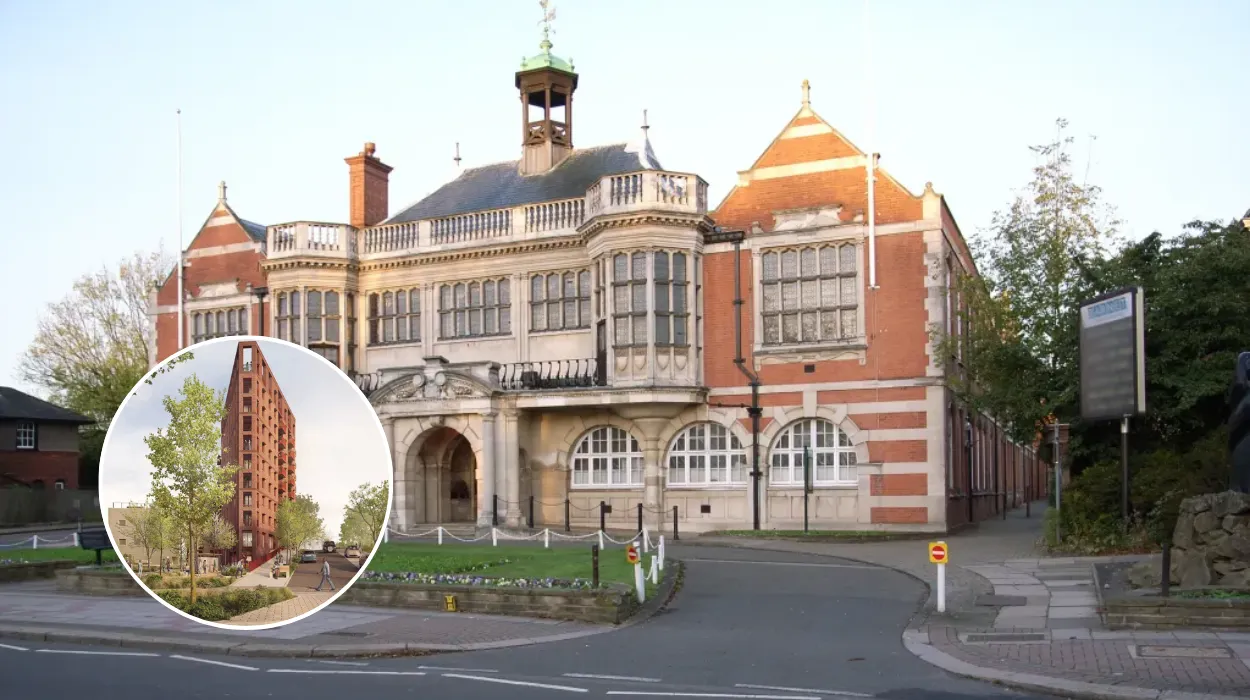
- Barnet Council’s strategic planning committee rejected plans for 283 homes and 567 square metres of commercial space on the car park and storage areas of High Barnet Underground Station on Monday 8 December.
- Developers Barratt London and Transport for London’s property arm, Places for London, proposed five blocks rising up to 11 storeys, including 40% affordable housing.
- Key objections centred on the scheme’s scale, loss of 160 commuter parking spaces (plus 17 for station users), impacting elderly residents, disabled individuals, and those with mobility issues.
- Residents highlighted “overwhelming negativity,” with concerns over access road congestion near St Catherine’s RC Primary School and insufficient replacement parking (nine Blue Badge spaces for locals and 17 for tube passengers, including eight disabled bays).
- Labour Councillor Sue Baker for Barnet Vale ward cited resident feedback on parking loss as “problematic” during the committee meeting.
- The site adjoins High Barnet Station, a Northern Line terminus, raising fears of disrupted access to the station entrance.
Why Did Barnet Council Reject the High Barnet Station Housing Plans?
As reported by the MyLondon news team, the strategic planning committee convened earlier this month and unanimously threw out the ambitious proposal. The site, primed for redevelopment, encompasses the tube station’s car park—comprising 160 spaces primarily for commuters—and adjoining storage spaces. Barratt London and Places for London envisioned transforming this land into a mixed-use hub, blending residential units with retail opportunities.
- Key Points
- Why Did Barnet Council Reject the High Barnet Station Housing Plans?
- What Were the Main Resident Concerns About the 300-Home Proposal?
- How Did the Proposed Parking Compare to Existing Facilities?
- Who Submitted the Plans for High Barnet Station Redevelopment?
- What Is the Role of Affordable Housing in the Rejected Scheme?
- How Does This Fit into Transport for London’s Property Strategy?
- What Happens Next for the High Barnet Station Site?
- Why Is Parking Such a Flashpoint at Tube Stations?
- Broader Implications for London’s Housing Crisis?
However, the plan’s vertical ambition, peaking at 11 storeys, drew sharp criticism for its incompatibility with the surrounding low-rise neighbourhood. Barnet Council’s decision reflects a broader scrutiny of high-density projects near transport nodes, prioritising existing residents’ quality of life.
What Were the Main Resident Concerns About the 300-Home Proposal?
Residents voiced “overwhelming negativity” towards the scheme, as detailed in coverage from MyLondon. Labour Councillor Sue Baker, representing Barnet Vale ward, addressed the committee directly. As reported by MyLondon, Councillor Sue Baker stated:
“I have received an overwhelming amount of negativity to these plans from residents.”
She pinpointed the car park’s elimination as particularly “problematic,” noting its heavy use by “many elderly residents” alongside people with disabilities and mobility issues. The station’s current 177 parking spaces—162 dedicated to commuters—serve as a lifeline for those reliant on cars to access the Northern Line terminus.
Local feedback, relayed through Councillor Baker, extended to the access road and station entrance. Proximity to St Catherine’s RC Primary School amplified worries about intensified traffic and pedestrian hazards during school hours. Parents and commuters alike feared gridlock, with the development potentially choking off easy access to platforms.
How Did the Proposed Parking Compare to Existing Facilities?
The developers outlined replacement parking, but it fell short in residents’ eyes. As per MyLondon’s reporting, the plan included nine Blue Badge spaces earmarked for local residents and 17 spaces for tube passengers, incorporating eight disabled bays. This contrasts starkly with the existing 177 spaces, of which 162 cater to commuter parking needs.
Critics argued this downsizing would strand vulnerable groups, forcing them onto buses or taxis amid High Barnet’s hilly terrain and limited public transport alternatives beyond the tube. Councillor Sue Baker echoed this during deliberations, as reported by MyLondon, labelling the car park loss a direct threat to mobility-impaired individuals.
The scheme’s advocates, including representatives from Barratt London and Places for London, had promoted sustainable transport integration. Yet, committee members remained unconvinced, viewing the parking reduction as a non-starter in a car-dependent suburb.
Who Submitted the Plans for High Barnet Station Redevelopment?
Barratt London, a major housebuilder, partnered with Places for London, TfL’s commercial property entity tasked with monetising surplus land. Their joint submission aimed to address London’s housing crisis by delivering 283 homes, 40% of which would be affordable—a figure aligning with local policy thresholds.
As covered extensively by MyLondon, the proposal promised modern amenities alongside commercial space to invigorate the high street. Places for London has pursued similar ventures at other TfL sites, framing them as win-win solutions for housing delivery and revenue generation. Barratt London brought its expertise in volume housebuilding, emphasising energy-efficient designs.
Despite these credentials, the partnership faced a setback. No direct quotes from company spokespeople appear in initial MyLondon reports, but the rejection signals challenges in balancing density with community buy-in.
What Is the Role of Affordable Housing in the Rejected Scheme?
Affordability formed a cornerstone of the pitch, with 40% of units designated as such. This quota, mandated under Barnet’s planning framework, sought to mitigate gentrification risks in an area where average house prices exceed £600,000. Developers positioned the project as a vital contribution to Mayor Sadiq Khan’s target of 6,000 new council homes annually across London.
MyLondon highlighted this aspect amid the backlash, noting it failed to sway objectors fixated on practical impacts. Councillor Sue Baker, in her committee address as reported by MyLondon, did not dispute the housing merits but prioritised resident welfare: the “overwhelming amount of negativity” centred on livability, not supply shortages.
How Does This Fit into Transport for London’s Property Strategy?
Places for London, TfL’s development arm, has aggressively pursued station-adjacent projects to fund a cash-strapped network. High Barnet Station, at the Northern Line’s northern extremity, represents prime real estate with its established commuter footfall. Similar schemes at Custom House and South Wimbledon have progressed, but Barnet’s rebuff highlights site-specific hurdles.
TfL’s overarching goal involves repurposing underutilised assets like car parks, increasingly seen as relics in a post-car city vision. Yet, as MyLondon reports illustrate, suburban stations like High Barnet resist this shift, where driving remains entrenched.
What Happens Next for the High Barnet Station Site?
The rejection leaves the car park intact—for now. Developers may appeal to the Planning Inspectorate or revise and resubmit a scaled-back version. Barnet Council has signalled openness to housing but demands sensitivity to local character.
Residents, buoyed by the outcome, continue monitoring. Councillor Sue Baker’s advocacy, rooted in direct constituent input, exemplifies grassroots influence on planning. MyLondon’s coverage quotes her on the access road “impact” near St Catherine’s RC Primary School, underscoring enduring safety fears.
Why Is Parking Such a Flashpoint at Tube Stations?
High Barnet’s 160-space car park sustains the station’s role as a park-and-ride hub for outer Londoners. The proposed 17 replacement spaces for passengers—plus nine for locals—represent a 90% cut in capacity. Elderly and disabled users, lacking robust bus links, depend on it disproportionately.
As MyLondon notes, the station’s adjacency to residential zones and a primary school compounds risks. Committee members weighed these against housing imperatives, opting for preservation.
Broader Implications for London’s Housing Crisis?
This episode spotlights the inverted pyramid challenge: delivering homes without alienating communities. Barnet’s 40% affordable benchmark aids progress, yet schemes like this falter on infrastructure strains. With London needing 50,000 affordable homes yearly, TfL sites remain contested battlegrounds.
Neutral observers note both sides’ validity—developers chase viability, residents guard tranquillity. Future iterations may incorporate more parking or height moderation to bridge the divide.