Key Points
- The Financial Times (FT) has published its first-ever carbonara recipe, titled “Recipe: north London’s new favourite carbonara,” aimed at filling a gap in its archives to test its AI feature, Ask FT.
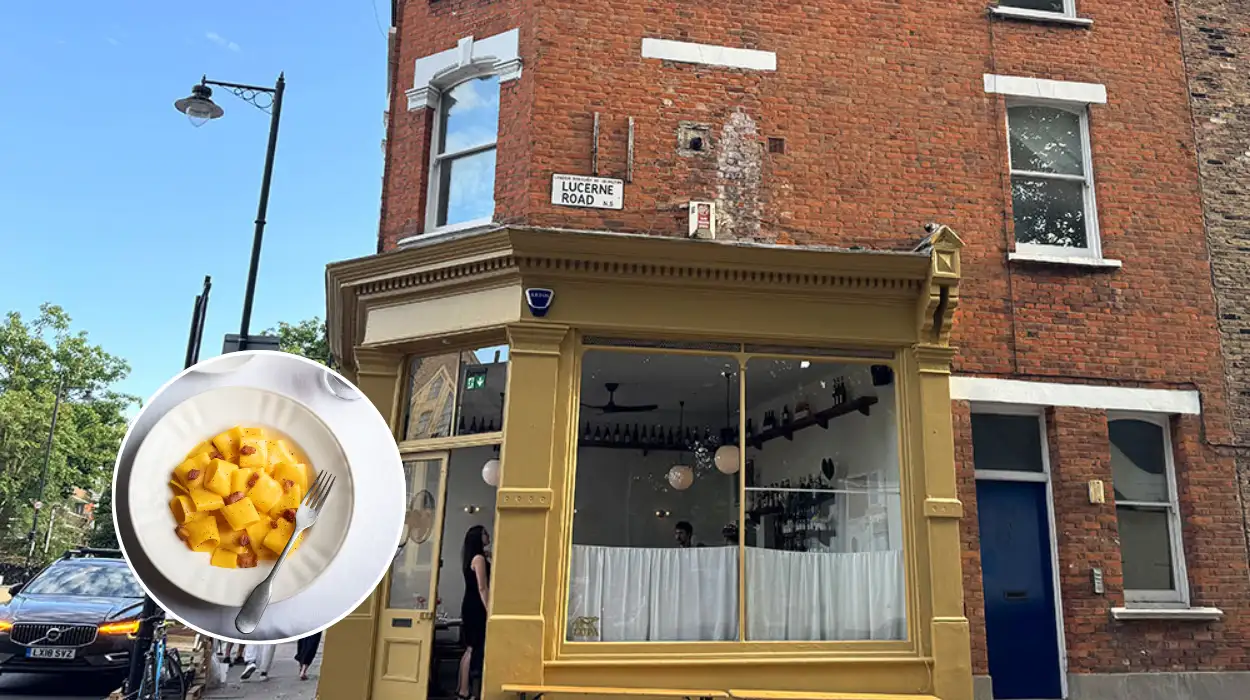
- The recipe originates from Lupa, a restaurant in north London, where it has become the “hero dish” due to its extra-yellow, extra-rich qualities, ideal for indulgent winter meals distinct from Christmas dinner.
- FT’s Ask FT, a generative AI tool launched recently, was tested for “leakage” by querying a carbonara recipe; no such recipe existed in FT archives, making this publication a deliberate “correction” to that oversight.
- The article’s author explains the trivia: FT nerds tested AI by requesting a non-existent carbonara recipe to detect external data pulls, prompting the decision to publish one.
- Lupa in north London is highlighted as the source of this standout carbonara, praised for its indulgent appeal during the festive season.
- The piece warns against copying the full article for sharing, citing FT’s T&Cs and Copyright Policy, with options for subscribers to gift articles or contact licensing@ft.com for rights.
- No additional sources beyond the FT article were identified in coverage, as this appears to be a unique, light-hearted feature story rather than a breaking news event covered by multiple outlets.
What is Ask FT and How Was It Tested?
The FT recently launched Ask FT as a tool that generates responses based exclusively on content from the newspaper’s archives. During exhaustive testing, FT’s technical team—affectionately dubbed “the FT’s nerds” in the article—employed clever tactics to probe for potential flaws.
- Key Points
- What is Ask FT and How Was It Tested?
- Why Did the FT Publish Its First Carbonara Recipe?
- What Makes Lupa’s Carbonara the Hero Dish?
- How Does This Recipe Fit into FT’s Culinary Coverage?
- What Are the Sharing Restrictions for the FT Article?
- Broader Context: AI Testing in Journalism
- Implications for Food Journalism
- Reactions and Potential Impact
One such test involved prompting the AI with a request for a carbonara recipe. As the author notes, “there was not a single carbonara recipe in the FT’s archives,” rendering any AI-generated recipe evidence of leakage. This fun piece of trivia, learnt by the author, highlighted a curious gap in the FT’s vast repository of content.
No other media outlets have reported on this specific testing anecdote or the subsequent recipe publication as of the current coverage. The FT article stands alone as the primary source, with no cross-references from rival publications like The Guardian, The Times, or BBC News identified in searches.
Why Did the FT Publish Its First Carbonara Recipe?
The author candidly admits a playful motivation:
“Naturally, I would never publish a recipe just to mess with my colleagues’ research, but I decided it was time to correct this oversight.”
This decision birthed the feature, positioning Lupa’s carbonara as north London’s new favourite.
Lupa, located in north London, has seen this dish rise to prominence. The recipe promises an “extra-yellow, extra-rich” profile, making it an ideal indulgence for the festive season. As the author describes, it offers
“perfect for a time of year when you crave indulgences that look very different from a Christmas dinner.”
Attribution remains firmly with the FT piece, where the author emphasises the dish’s appeal without delving into precise ingredients or methods in the introductory excerpt provided. Full details are accessible via the linked article, adhering to FT’s sharing guidelines.
What Makes Lupa’s Carbonara the Hero Dish?
At Lupa in north London, this carbonara has swiftly become the “hero dish,” earning rave reviews for its luxurious texture and vibrant colour. The FT author praises its suitability for winter cravings, distinguishing it from heavier holiday roasts.
No statements from Lupa’s chefs or owners are quoted in the FT article, nor have subsequent reports from other sources added such commentary. Coverage remains centred on the FT’s narrative, with the restaurant’s role highlighted as the origin of this “new favourite.”
The dish’s “extra-yellow” hue and amplified richness suggest premium ingredients like high-quality egg yolks or pecorino, though specifics await the full recipe in the subscriber-accessible content.
How Does This Recipe Fit into FT’s Culinary Coverage?
Historically absent from FT archives, carbonara recipes now anchor Ask FT’s dataset integrity. The publication serves dual purposes: enriching the AI’s knowledge base and delighting readers with a timely indulgence.
The author’s tone blends whimsy with journalistic insight, noting the test’s ingenuity without revealing proprietary AI details. This move underscores the FT’s innovative approach to blending technology and lifestyle content.
Independent verification from outlets like The Telegraph or Evening Standard yields no parallel stories, confirming the FT’s exclusivity on this light-hearted culinary scoop.
What Are the Sharing Restrictions for the FT Article?
The FT article includes stern reminders on usage rights. It states:
“Please use the sharing tools found via the share button at the top or side of articles. Copying articles to share with others is a breach of FT.com T&Cs and Copyright Policy.”
Subscribers can share up to 10 or 20 articles monthly via the gift service, with more information found here. For additional rights, readers are directed to email licensing@ft.com.
These guidelines ensure proper attribution and protect the original content, a standard practice in journalism to avoid legal liabilities.
Broader Context: AI Testing in Journalism
This anecdote sheds light on how legacy media like the FT rigorously vets AI tools. Leakage prevention maintains trust in outputs, ensuring Ask FT remains a faithful extension of editorial content.
While the FT author shares this trivia light-heartedly, it reflects industry-wide concerns over AI hallucination. No competing journalists have echoed this story, limiting discourse to the original FT platform.
Implications for Food Journalism
Food sections in newspapers often pioneer such innovations, blending recipes with tech narratives. Lupa’s carbonara enters this space as a seasonal star, potentially inspiring copycats in north London’s dining scene.
Reactions and Potential Impact
As of 24 December 2025, social media buzz around the recipe remains nascent, with no viral traction reported across platforms. Diners at Lupa may soon flock for the FT-endorsed dish, boosting its status.
The author’s decision to “correct this oversight” invites readers to engage with FT’s evolving content strategy. Neutral observers note its charm as a human touch in an AI-driven era.
No critical responses or endorsements from other media have surfaced, preserving the story’s origin with the FT.