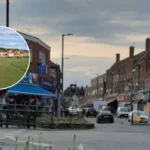
Burnt Oak, a vibrant suburb in North London, blends rich history with modern community life. This evergreen guide explores its evolution from rural fields to a bustling residential hub, perfect for locals and newcomers alike.
Historical Roots
Burnt Oak’s story begins in medieval times on farmland like Goldbeaters Farm, dating back to the 14th century, where hay production dominated. By the 19th century, sites like Burnt Oak Field hosted workhouses and basic schools, with developers like Mr. Essex laying out streets such as North, East, and South Road in 1844 and 1853. The area stayed rural until the 1920s, marked by pubs like the Bald Faced Stag and hay processions to London, transitioning slowly with farms like Burntoak and Redhill persisting into the early 20th century.
The Watling Estate’s completion in 1930 brought green spaces and homes, spurred by the London Underground’s arrival. This development, including Henry Boot and Son’s projects on former Burnt Oak Farm land, housed thousands amid interwar growth.
Tube Station Milestone
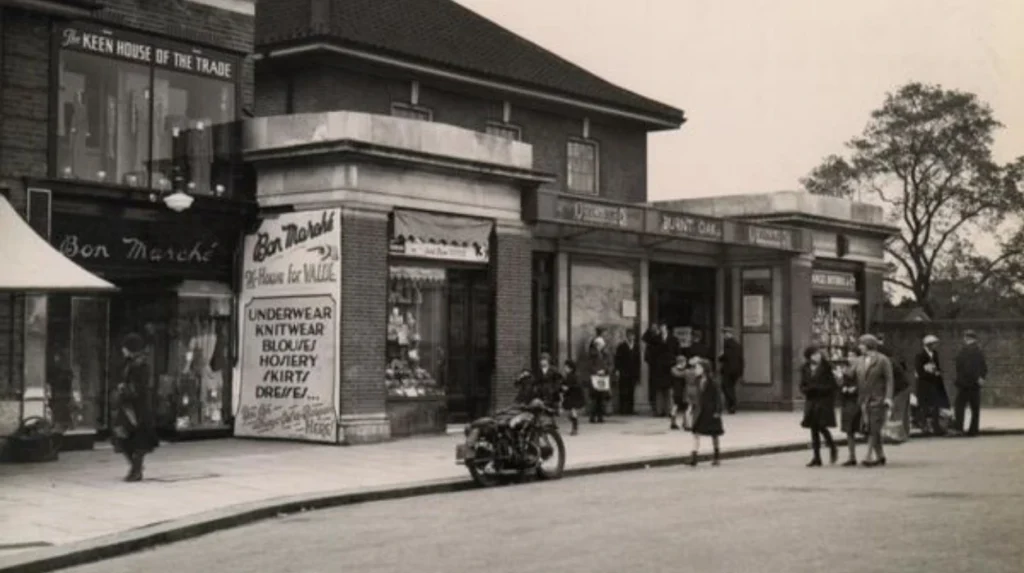
Burnt Oak tube station opened on October 27, 1924, on the Northern line, catalyzing urbanization after World War I delays. Proposed names like Sheves Hill or Goldbeaters reflected its field origins, but Burnt Oak stuck, boosting population from about 1,000 in 1921 to rapid expansion. The station, facing Burnt Oak Broadway on Edgware Road, linked Colindale to Edgware, enabling the London County Council’s 4,000-home push.
Today, it serves as a key commuter spot, with its centenary in 2024 highlighting endurance.
Community and Culture
Burnt Oak thrives with diverse shops along Burnt Oak Broadway, from markets to eateries reflecting multicultural influences. Green spaces like Silk Stream and Watling Park offer parks from the estate era, ideal for walks. Local pubs and the former registry office site, now redevelopment plans, echo community hubs.
Events like the station’s 100-year celebrations foster pride, with residents enjoying tube access to central London.
Modern Living
Proximity to Edgware Community Hospital, evolved from 1930s council control, supports healthcare needs. Housing mixes council estates with private builds, attracting families for affordability and schools. Connectivity via A5 and buses enhances appeal for North London dwellers.
Why Visit Burnt Oak
Burnt Oak offers timeless charm—historic walks, vibrant high streets, and suburban peace. Explore its fields-to-suburb journey for an authentic North London experience.