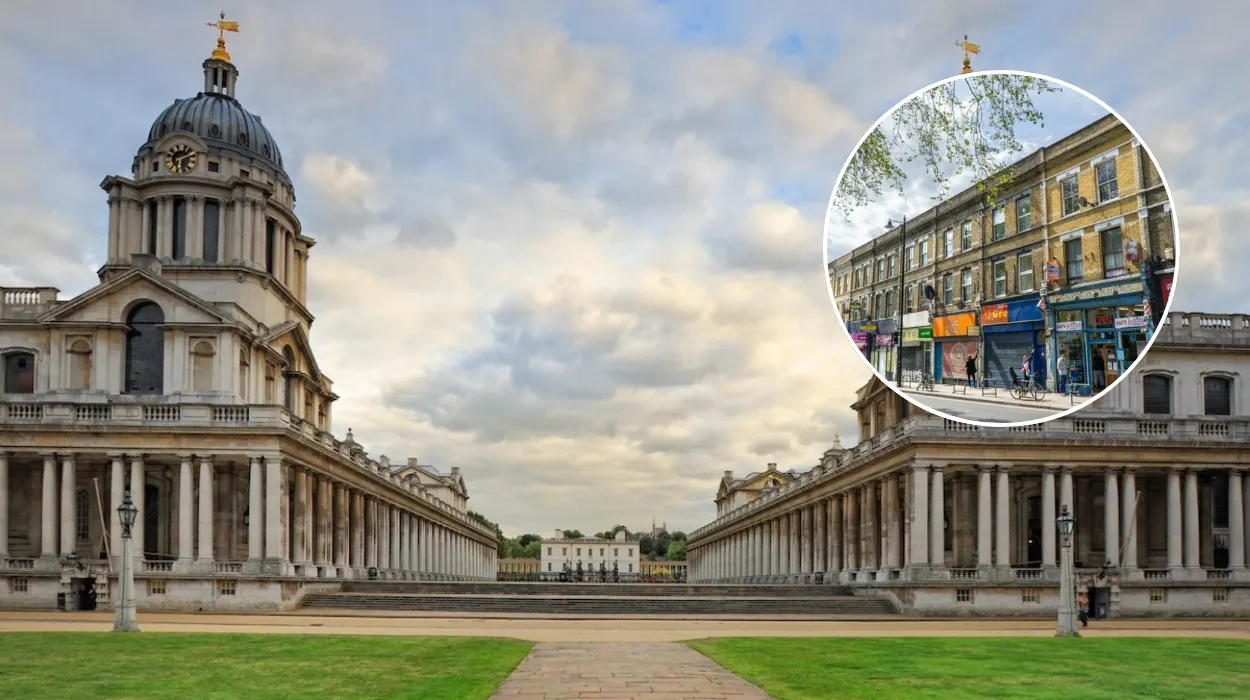
Clapton, nestled in the vibrant London Borough of Hackney, captivates with its blend of historic charm and modern energy. This evergreen guide explores Upper and Lower Clapton’s enduring allure for locals and visitors seeking authentic North London experiences.
Origins and History
Clapton traces its roots to the 14th century as a hamlet called Clopton, meaning “farm on the hill” from Old English, highlighting the elevated ground near the River Lea. By the 16th century, the area featured notable estates; Henry VIII seized the manor in 1535, later granting it to Thomas Cromwell. Division into Upper and Lower Clapton emerged around 1800, with labourers’ cottages lining Upper Clapton Road in the late 18th century.
Post-World War I, many Georgian villas converted into workshops, paving the way for 1930s social housing that shaped today’s landscape. The Clapton Portico site hosted a 1630s girls’ boarding school, evolving into Dr. Newcome’s Academy until 1815. These layers make Clapton a living history book, drawing heritage enthusiasts year-round.
Iconic Landmarks
Clapton Pond, dating to the 1600s and landscaped in the late 19th century, remains a serene public space amid urban bustle. Springfield Park, formed from mansion grounds, offers Lea Valley views and hosts community events.
Clapton Common, a conservation area since 1969, showcases Victorian architecture along tree-lined streets. The Grade II-listed Portico, now part of Clapton Girls’ Academy, stands as a neoclassical relic from 1812. These sites anchor Clapton’s identity, perfect for leisurely walks.
Cultural Vibrancy
Clapton’s music legacy shines through its association with grime and reggae scenes, though Eric Clapton the musician hails from Surrey—local lore playfully claims the vibe. Street art adorns walls, reflecting Hackney’s creative pulse, while pubs like The Cock Tavern host live sessions.
Diverse festivals celebrate Caribbean and Jewish influences, stemming from 20th-century migrations. Community theaters and galleries, such as those in nearby Stoke Newington, extend the cultural reach. This mosaic fosters a welcoming scene for artists and families alike.
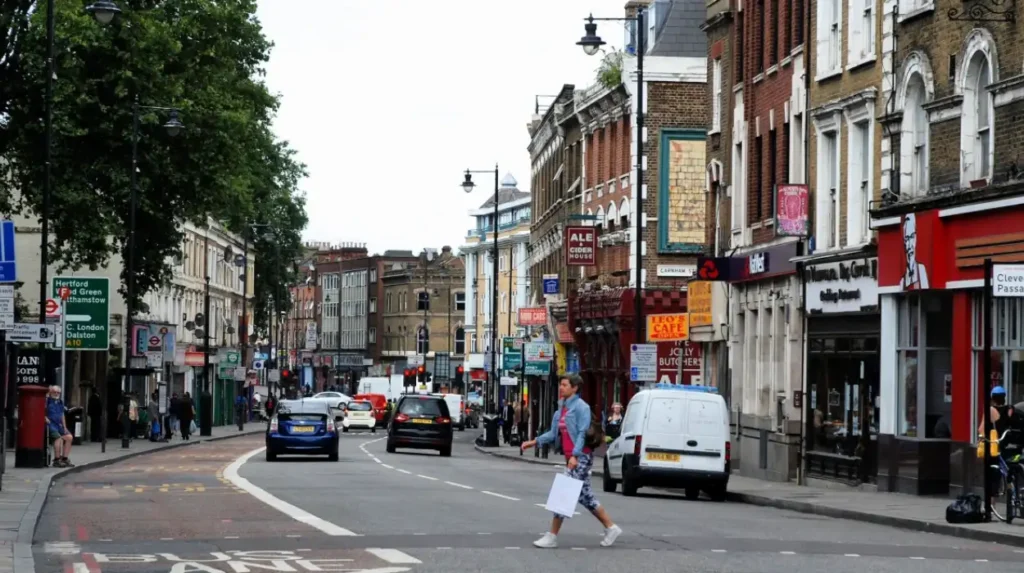
Modern Lifestyle
Upper Clapton suits young professionals with its mix of Victorian terraces and post-war flats, averaging £600,000 home prices. Excellent transport via Overground to Liverpool Street (15 minutes) and buses enhances connectivity.
Family-friendly vibes prevail, with low crime relative to central Hackney and strong schools like Clapton Girls’ Academy. Green spaces like Millfields Park provide playgrounds and sports pitches. Remote workers appreciate independent cafes along Chatsworth Road.
Food and Drink Scene
Clapton’s eateries blend global flavors. Clarence Road’s Caribbean spots serve jerk chicken and roti, honoring West Indian heritage. Vegan havens like Hackney’s Jolene offer plant-based brunch.
Pubs such as The Salmon & Ball pour craft ales with Sunday roasts. Northwold Road delis stock artisanal cheeses and baked goods. This scene rivals trendier areas but feels more authentic.
Outdoor Spaces
Wander Clapton Common for Georgian villas and wildflower meadows. The River Lea towpath invites cycling to Walthamstow Wetlands. Springfield Park’s woodland trails host picnics and yoga.
Clapton Pond attracts birdwatchers, with herons and ducks year-round. These escapes counter urban density, promoting wellbeing.

Community and Events
Clapton’s spirit thrives in volunteer groups maintaining conservation areas. Annual Clapton Common Festival features markets and music. Faith communities, from Orthodox synagogues to mosques, weave social fabric.
Neighborhood watches and food co-ops build resilience. This tight-knit ethos appeals to those valuing roots over flash.
Property Insights
Victorian conversions offer two-bedroom flats from £450,000, with family homes up to £1 million. Upper Clapton’s Stamford Hill edge attracts buyers seeking space. Rental yields hit 4-5% for investors.
Sustainability upgrades, like solar panels on terraces, align with Hackney’s green push. Demand stays steady due to schools and parks.
Getting Around
London Overground’s Clapton station links to central hubs. Cycle Superhighway 2 skirts the Lea. Buses 38 and 55 connect to Oxford Street.
Walking distances: Pond to Common in 10 minutes. Ample parking suits drivers, though car clubs reduce ownership needs.
Why Clapton Endures
Clapton’s balance of heritage, diversity, and affordability cements its North London status. From ponds to pubs, it offers timeless appeal without gentrification’s edge.