Key Points
- Rising construction costs, higher borrowing rates, and stricter building safety regulations have impacted the financial viability of new homes, making 2025 a lean year for house building in Brent.
- Over the next 12 months, private and council developments will begin construction, complete, or face planning committees, including the restart of the South Kilburn Regeneration scheme after developers pulled out earlier in 2025.
- These projects aim to deliver thousands of new homes, community spaces, and student accommodation across Brent borough.
- Wembley is Brent’s largest growth area and a GLA-designated housing zone; the Wembley Housing Zone, approved by Brent Council in 2021, has delivered 6,000 homes in the past five years, with 15,000 more expected by 2034.
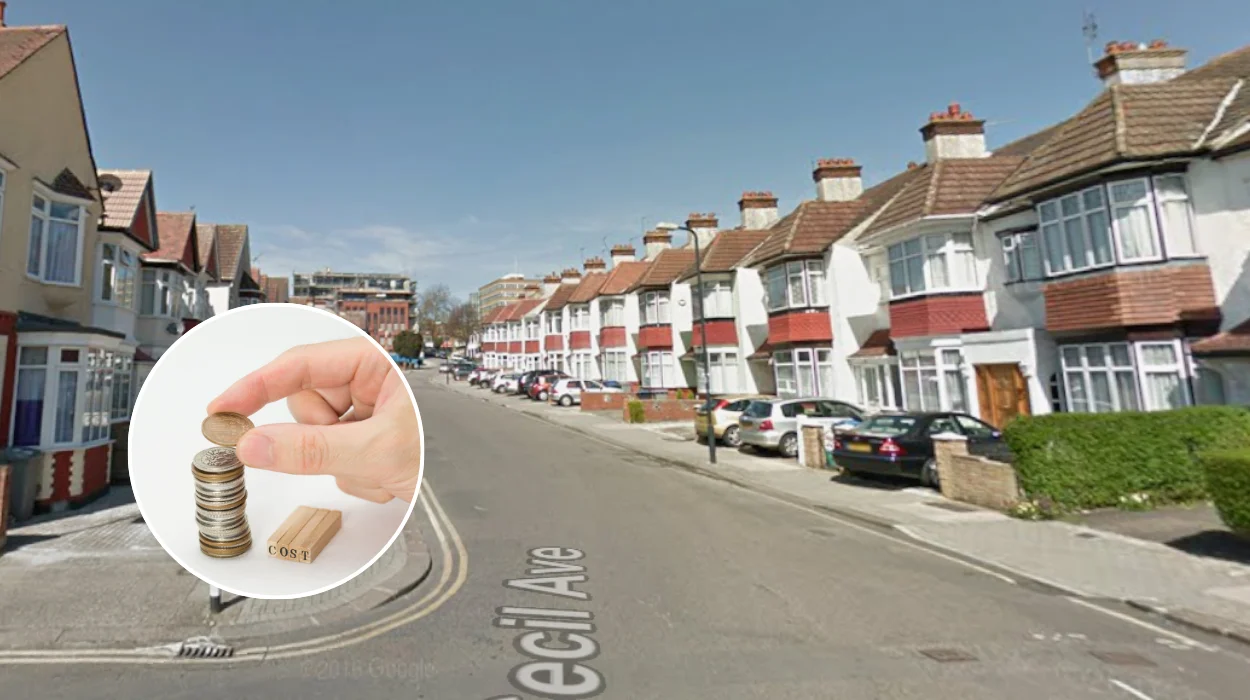
- Brent Council partners with Wates Construction on Wembley Housing Zone projects on council-owned land at Cecil Avenue and Ujima House (now Zephaniah House), both due for completion in 2026.
- Cecil Avenue scheme: 237 new homes (87 affordable), mix of private sale properties, play area, community facilities, and commercial spaces.
- Zephaniah House: Construction underway, topping out in 2026; 54 affordable homes, new workspace, and café.
As reported by MyLondon journalists, these developments signal a resurgence in Brent’s housing pipeline despite 2025’s challenges.
- Key Points
- What makes Wembley Brent’s key growth area?
- Which major projects are due for completion in 2026?
- What will Zephaniah House offer upon completion?
- Why did the South Kilburn Regeneration scheme stop, and when will it restart?
- How are rising costs affecting Brent’s housing delivery?
- What role does Brent Council play in these developments?
- How does the GLA support Brent’s housing ambitions?
- What community benefits will these projects bring?
- When will construction begin on new private developments?
- Is 2026 a turning point for Brent’s housing after 2025’s slowdown?
Rising construction costs, higher borrowing rates, and stricter building safety regulations have severely impacted the financial viability of delivering new homes in Brent, with 2025 marking a particularly lean year for house building. Over the next 12 months, however, a wave of private and council-led developments is poised to transform the borough, either starting construction, reaching completion, or advancing through planning committees. This includes the anticipated restart of the stalled South Kilburn Regeneration scheme, which halted earlier this year when developers withdrew.
These initiatives promise thousands of new homes, alongside community spaces and student accommodation, injecting vitality into Brent’s urban landscape. Wembley stands out as the epicentre of this growth, long recognised as the borough’s premier development hub and officially designated a housing zone by the Greater London Authority (GLA).
What makes Wembley Brent’s key growth area?
Wembley has been earmarked for expansive development as Brent’s largest growth area. As detailed in MyLondon coverage, it holds Housing Zone status from the GLA, underscoring its strategic importance for housing delivery.
Approved by Brent Council in 2021, the Wembley Housing Zone regeneration programme has already delivered 6,000 new homes over the past five years. Projections indicate a further 15,000 homes by 2034, cementing its role in addressing London’s housing crisis.
This momentum continues with council partnerships driving key sites forward. Brent Council is collaborating with property developers Wates Construction on council-owned land, targeting completion in 2026 for two flagship projects.
Which major projects are due for completion in 2026?
The Cecil Avenue scheme emerges as a cornerstone of the Wembley Housing Zone. According to MyLondon reports, this development will deliver 237 new homes, including 87 affordable units and a diverse mix of properties available for private sale.
Beyond housing, Cecil Avenue incorporates essential community infrastructure: a dedicated play area, versatile community facilities, and commercial spaces to foster local economic activity.
Complementing this is the redevelopment of Ujima House, rebranded as Zephaniah House. Construction has already commenced on this site, with topping out scheduled for 2026.
What will Zephaniah House offer upon completion?
Zephaniah House will provide 54 affordable homes, addressing pressing needs in Brent’s social housing sector. MyLondon journalists highlight that the project extends beyond residences, featuring a new workspace to support local businesses and a café to enhance community amenities.
This multifaceted approach aligns with Brent Council’s vision for integrated neighbourhoods that blend housing, employment, and leisure.
Why did the South Kilburn Regeneration scheme stop, and when will it restart?
The South Kilburn Regeneration scheme faced a significant setback earlier in 2025 when its developers abruptly pulled out, forcing a halt to works. As covered extensively by Brent Council media and referenced in MyLondon, this pause reflected broader market pressures, including escalating costs and regulatory hurdles.
Now, restarts are on the horizon within the next 12 months, forming part of Brent’s broader pipeline. The scheme, detailed on Brent Council’s official growth areas page, promises substantial regeneration, though specifics on timelines and partners remain tied to ongoing negotiations.
How are rising costs affecting Brent’s housing delivery?
Financial viability has been the Achilles’ heel for Brent’s house building in 2025. MyLondon analysis points out that rising construction costs, coupled with higher borrowing rates, have squeezed margins, while post-Grenfell stricter building safety regulations add layers of expense and complexity.
Despite these headwinds, the pipeline persists, with private developers and council initiatives adapting to deliver on commitments.
What role does Brent Council play in these developments?
Brent Council remains at the forefront, approving and steering projects like the Wembley Housing Zone since 2021. Partnerships with firms such as Wates Construction exemplify public-private collaboration on council-owned land.
Councillors and planning officers emphasise community benefits, from affordable housing quotas to play areas and workspaces, ensuring developments serve residents’ needs.
How does the GLA support Brent’s housing ambitions?
The Greater London Authority’s designation of Wembley as a Housing Zone provides crucial backing, unlocking funding and streamlining approvals. This aligns with the GLA’s wider mandate to boost housing supply across the capital.
By 2034, the zone’s 15,000-home target positions Brent as a leader in GLA-aligned growth.
What community benefits will these projects bring?
Across sites like Cecil Avenue and Zephaniah House, amenities abound. Play areas will cater to families, commercial spaces stimulate jobs, and cafés create social hubs. MyLondon notes these elements alongside thousands of homes, including substantial affordable stock—87 at Cecil Avenue and 54 at Zephaniah House.
Student accommodation features in the wider pipeline, supporting London’s educational influx.
When will construction begin on new private developments?
Private schemes pepper the 2026 horizon, with several slated to break ground or face planning committees in the coming year. While specifics vary, they contribute to the “thousands of new homes” forecast, blending with council efforts.
Brent’s planning portal and council updates will track progress, ensuring transparency.
Is 2026 a turning point for Brent’s housing after 2025’s slowdown?
Absolutely, with completions like Cecil Avenue and Zephaniah House topping out, restarts like South Kilburn, and fresh starts anticipated. Drawing from MyLondon’s comprehensive reporting, this surge counters 2025’s lean output, propelled by resilient council leadership and developer partnerships.
The borough’s growth areas, from Wembley to South Kilburn, herald a busier phase, balancing private investment with public good.