North London’s markets offer a rich tapestry of history, culture, and local flavors that have drawn residents and visitors for centuries. These bustling hubs blend ancient traditions with modern vibrancy, making them perfect evergreen destinations for shopping, eating, and community immersion.
Historical Roots
Markets in North London trace back to medieval times, evolving from chartered trading posts to vital community centers. Originating in the Middle Ages under ancient charters to serve London’s expanding population, they shifted from wholesale meat and produce hubs to diverse street markets as suburbs grew in the 18th and 19th centuries.
Regulated by the City of London and borough councils, these markets adapted to trams and urban changes, moving to side streets or covered spaces while retaining their role in daily life. In North London boroughs like Islington and Camden, they became symbols of resilience, with sites like Chapel Market officially recognized in 1879 after informal trading since the 1860s.
Iconic Camden Market
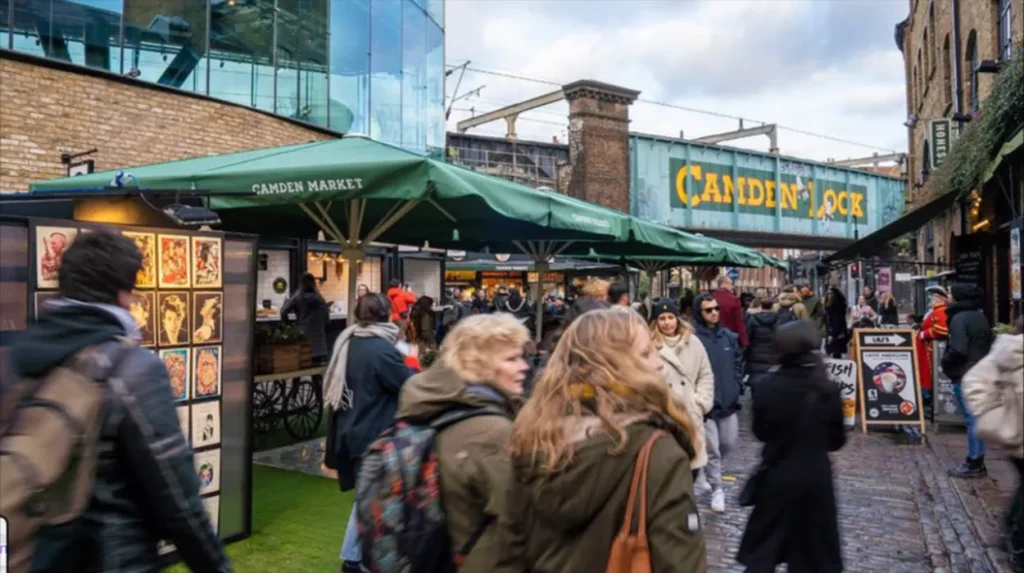
Camden Market stands as North London’s most famous draw, a sprawling complex along the Regent’s Canal encompassing Camden Lock, Stables, Buck Street, and Hawley Wharf. Starting as a small 1970s craft market with 16 stalls, it exploded into a global icon blending punk heritage, global street food, vintage clothing, and independent shops.
Visitors find labyrinthine lanes with international eats like Korean BBQ or vegan treats, plus record stores and tattoo parlors echoing its alternative roots. Open daily, weekends peak with crowds; arrive early via Camden Town Tube for the best finds.
Chapel Market in Islington
Chapel Market, in the heart of Angel, Islington, thrives as a daily staple over 150 years old. Formerly Chapel Street, it gained official status in 1879, hosting butchers, bakers, and fresh produce alongside flowers, gadgets, and household goods.
Sainsbury’s opened its first Islington branch here in 1882, underscoring its retail legacy. Locals flock Monday to Saturday for affordable fruits, street food like pie and mash, and community buzz near Angel Tube.
Antiques at Camden Passage
Camden Passage in Islington specializes in antiques and collectibles across three outdoor areas. Main days are Wednesday, Saturday, and Sunday, with Thursdays for vintage clothing and Fridays for crafts.
Since the 1960s, stallholders have offered silverware, books, jewelry, and fashion in charming passages off Islington High Street. It’s a treasure hunt for history buffs, best visited midweek to avoid crowds.
Tottenham Green Market
Tottenham Green Market, opposite Tottenham Town Hall in Haringey, focuses on local food, crafts, and ethical startups every second Sunday. Established in 2016, it features organic produce, vegan wines, craft beers, and street food from diverse vendors.
Accessible via Seven Sisters Tube, it celebrates community with zero-waste options and live music, drawing families for fresh bakes and global flavors.
Parliament Hill Farmers’ Market
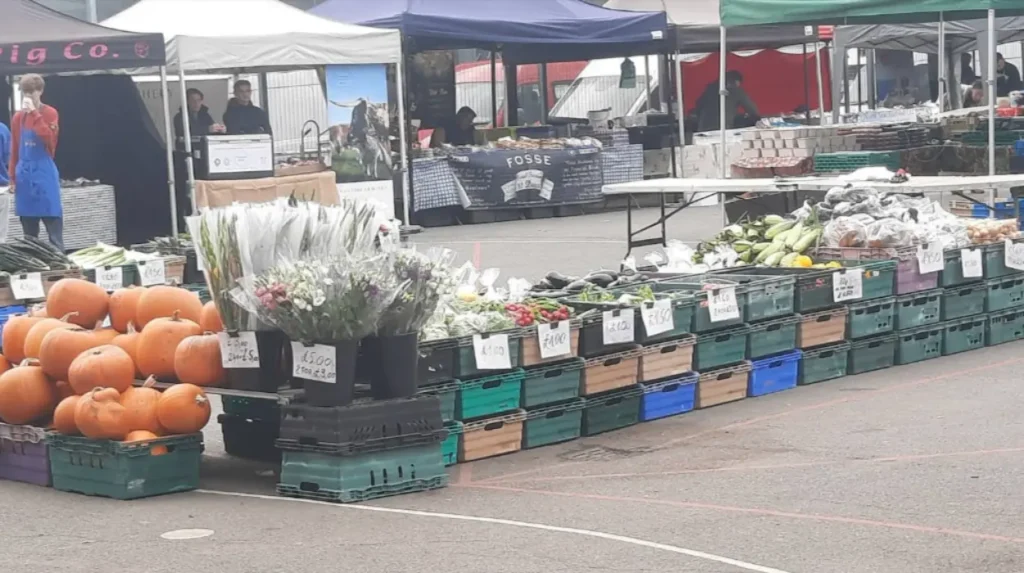
Nestled in William Ellis School playground near Hampstead Heath, Parliament Hill Farmers’ Market runs Saturdays 10am-2pm since 2008. FARMA-certified, it offers local fruit, veg, fish, meat, pies, and artisan breads ideal for Heath picnics.
Dog walkers use the creche area while sampling sausage rolls or confit boeuf. Its community vibe supports independent producers, making it a wholesome North London ritual.
Other Hidden Gems
North London boasts more markets for every taste.
- Swiss Cottage Farmers’ Market: FARMA-certified weekly spot for local produce.
- Queen’s Crescent Market: Thursdays and Saturdays in Gospel Oak for budget clothes, food, and electrics.
- Alexandra Palace Farmers’ Market: Sundays in Muswell Hill with organic veg, meats, and street snacks.
- Church Street Market: Over 200 stalls Monday-Saturday off Edgware Road in Camden for general goods.
- Plender Street Market: Camden’s everyday hub for sundries.
These spots highlight borough diversity from Barnet to Waltham Forest.
Foodie Delights
North London markets excel in global and local cuisine. Camden buzzes with 1,000+ stalls offering Thai noodles, falafel, or arepas amid vegan hotspots. Chapel delivers pie and mash traditions plus multicultural fruits.
Tottenham Green shines with vegan delicacies and craft brews, while Parliament Hill provides picnic-ready cheeses and pastries. Fresh seafood, baked goods, and ethical meats dominate farmers’ markets, supporting sustainable eating.
Vintage and Antiques Hunting
Antiques thrive here. Camden Passage leads with midweek rarities like Victorian jewelry. Camden’s Stables Market hides military surplus and vinyl records evoking 1970s punk.
Church Street offers bric-a-brac bargains, perfect for upcycling enthusiasts. These markets preserve history through haggling and discovery.
Shopping and Souvenirs
Beyond food, find fashion, crafts, and unique gifts. Camden’s independent brands sell handmade jewelry and streetwear. Chapel stocks toys, cards, and gadgets for everyday needs.
Tottenham supports startups with eco-products; Parliament Hill has artisanal honeys and soaps. Bargains abound in clothing and homewares at Queen’s Crescent.
Practical Visitor Tips
Reach markets via Tube: Northern Line for Camden/Islington, Overground for Tottenham. Weekends busiest; weekdays quieter for deals. Cash handy for small stalls, but cards common.
Check weather—many outdoors. Combine with parks like Hampstead Heath or Alexandra Palace. Sustainable shopping: prioritize local, reusable bags.
Why Visit Year-Round
These markets embody North London’s enduring spirit, from medieval charters to modern multiculturalism. They foster community, preserve heritage, and offer timeless experiences amid urban change. Whether foraging antiques or savoring street food, they rank high for authentic London vibes.