North London boasts an array of timeless running routes that blend historic parks, serene canals, and wooded trails, perfect for runners seeking evergreen fitness options. These paths, maintained year-round by local councils, cater to all levels while offering scenic beauty and easy access via tube stations.
- Why Choose North London for Running
- Beginner-Friendly Loops Under 5km
- Intermediate Routes with Elevation
- Long-Distance Trails Over 10km
- Spotlight on Hampstead Heath
- Canal and River Paths for Consistency
- Alexandra Palace and Wooded Extensions
- Historical Roots of These Greenspaces
- Seasonal Strategies for All Weather
- Safety and Accessibility Essentials
- Integrating Training and Local Events
- Gear and Fuel Recommendations
- Biodiversity Along the Paths
- Navigating with Maps and Transport
Why Choose North London for Running
North London’s running appeal lies in its diverse terrain, from the rolling hills of Hampstead Heath to the flat towpaths of Regent’s Canal, attracting fitness enthusiasts across Haringey, Barnet, and Enfield. Victorian-era greenspaces like Finsbury Park provide flat loops ideal for beginners, while elevated woodlands challenge intermediates. Proximity to public transport ensures convenience, making these routes a staple for daily training amid urban greenery.
Beginner-Friendly Loops Under 5km
Finsbury Park offers a gentle 3km circuit around its lake and sports fields, accessible from the station and bustling with early morning joggers. The Parkland Walk, a 4.5km traffic-free trail along a disused railway, winds from Finsbury Park to Highgate through shaded wildflowers, perfect for building pace without interruptions. Regent’s Canal from King’s Cross to Camden stretches 5km past vibrant houseboats, providing flat, even ground suited for newcomers easing into routine.
Intermediate Routes with Elevation
Hampstead Heath’s 6km Parliament Hill loop traverses 320 hectares of meadows and ponds, rewarding moderate climbs with sweeping city skyline views. Highgate Wood to Queen’s Wood forms a 7km woodland trail via Muscle Lane, dotted with ancient oaks and seasonal bluebells that enhance hilly leg-strengthening sessions. Alexandra Palace to Highgate covers 8km of varied tarmac and dirt, climbing to panoramic vistas that mix challenge with inspiration for steady progression.
Long-Distance Trails Over 10km
Cockfosters to Barnet delivers an 8-mile wooded adventure past reservoirs, starting from the tube for high-effort endurance runs. Priory Park to Hampstead Heath links 12km of parks and urban paths from Seven Sisters, ideal for marathon prep with natural flow. The Canal to Tottenham Marshes spans 10km of flat wildlife-rich towpaths from Stoke Newington, while Burnt Oak to Fryent Country Park offers 9km of hilly countryside escapes reachable by overground.
Spotlight on Hampstead Heath
Hampstead Heath, covering 790 acres since medieval farmland days, now features over 20km of trails managed by the City of London Corporation for unrestricted access. Runners love the perimeter loop blending grasslands and forests, dodging inner mud after rain while climbing to the 98m summit for invigorating finishes.
Canal and River Paths for Consistency
The New River Path traces a 24-mile engineered waterway, with North London segments providing 10km of uninterrupted flat running beside reservoirs. Lea River Trail from Tottenham to Walthamstow Marshes unfolds 15km of birdwatching towpaths, connecting to Olympic sites for reliable interval pacing on car-free surfaces.
Alexandra Palace and Wooded Extensions
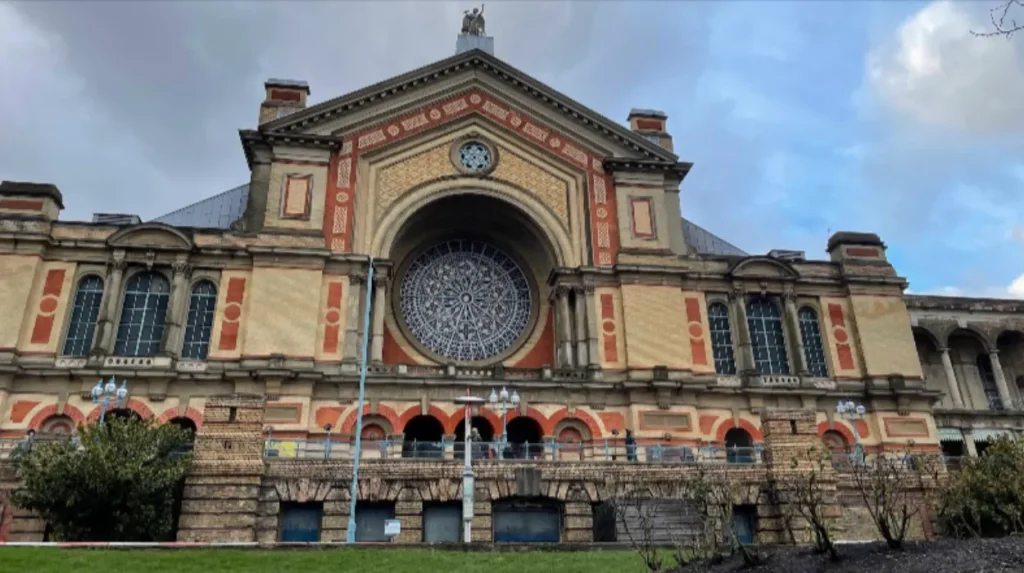
Alexandra Palace’s 196-acre hilltop grounds host a 5km perimeter run with east London panoramas from its 306m elevation, extendable to 10km via adjacent woods. Weekly Parkruns here on Saturdays foster community, drawing crowds to this vibrant hub.
Historical Roots of These Greenspaces
North London’s routes echo Victorian foresight, like Finsbury Park’s 1860s design for factory workers’ health amid industrialization. Hampstead Heath survived 19th-century development threats through public campaigns, safeguarding ancient landscapes. Parkland Walk transformed a 1860s rail line into recreational haven, showcasing adaptive urban evolution.
Seasonal Strategies for All Weather
Spring brings bluebells to Queen’s Wood, though timing avoids peak pollen. Summer demands early starts and park cafe hydration to beat the heat. Autumn transforms Highgate trails with foliage, cautioning against wet slips. Winter favors lit Finsbury Park paths, layering up for Heath winds.
Safety and Accessibility Essentials
Wide paths, benches, and toilets define most routes, with Haringey Council signage aiding navigation via apps like Strava. Evening-lit canals suit solo runners, while flat parks accommodate prams better than rugged trails.
Integrating Training and Local Events
Free Saturday Parkruns at Finsbury Park and Ally Pally support couch-to-5K journeys, progressing from Parkland Walk flats to Heath hills. Highgate Harriers clubs host group sessions, embedding these routes into structured plans.
Gear and Fuel Recommendations
Trail shoes grip wooded sections, road shoes suffice for canals; hydration packs prove vital beyond 10km. Refuel at station Pret outposts or park kiosks post-run.
Biodiversity Along the Paths
Spot deer in wooded fringes or herons on Lea banks, as these routes bolster local wildlife. Councils urge path-sticking to preserve habitats under “leave no trace” principles.
Navigating with Maps and Transport
OS Maps and AllTrails supply GPX files for these Northern Line-clustered gems, ensuring seamless exploration even for visitors.