Key Points
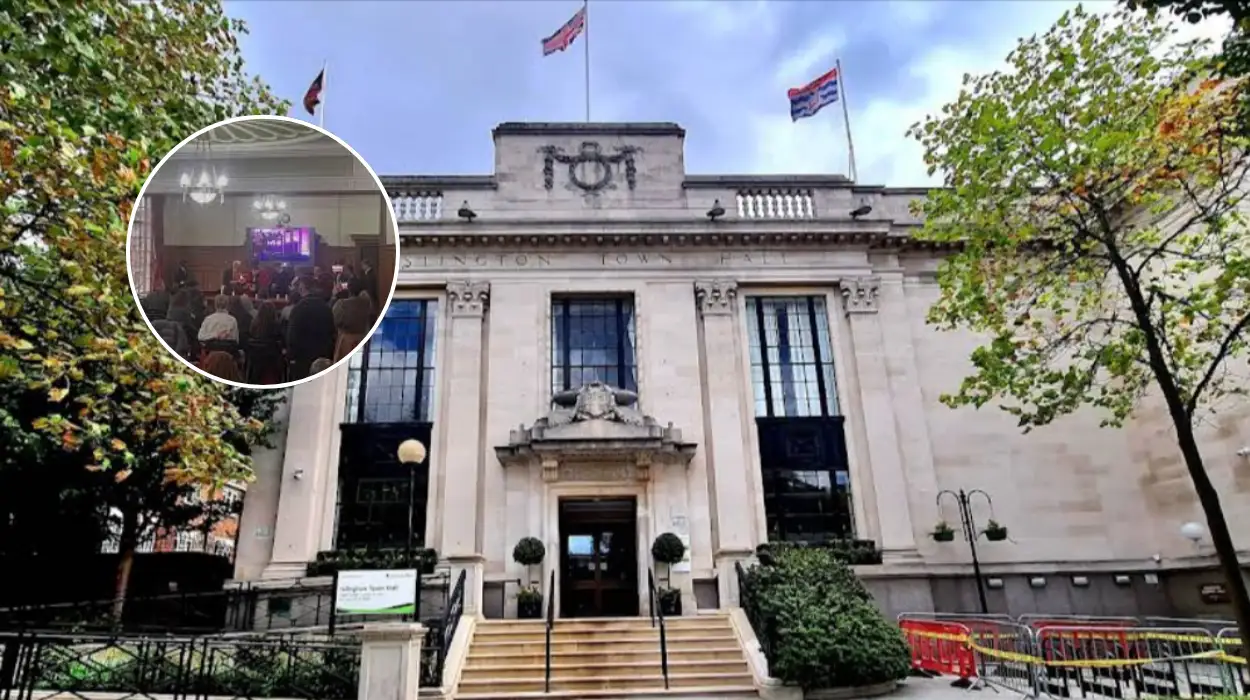
- A ceremony for Holocaust Memorial Day took place on January 27 at Islington Town Hall, uniting councillors, community representatives, and schoolchildren.
- The event honoured the six million Jews murdered in the Holocaust, along with millions of others killed under Nazi persecution.
- Islington councillors and students from local schools gathered to remember victims and reflect on the dangers of prejudice.
- Cllr Sheila Chapman, Islington Council’s executive member for equalities, communities, and inclusion, addressed the gathering.
- Cllr Chapman emphasised that Holocaust Memorial Day serves as a reminder of the consequences of prejudice and discrimination.
- She highlighted Islington’s commitment as a Borough of Sanctuary, standing against hatred and inequality.
- The ceremony showcased the community’s shared dedication to diversity, inclusion, and protecting freedoms.
- The event aligns with the annual national commemoration of Holocaust Memorial Day, observed on January 27 to mark the liberation of Auschwitz-Birkenau.
Islington Town Hall, Islington (North London News) January 29, 2026 – Islington marked Holocaust Memorial Day with a poignant ceremony at Islington Town Hall, where councillors and schoolchildren gathered to remember the millions murdered under Nazi persecution.
- Key Points
- What Happened at the Islington Town Hall Ceremony?
- Who Were the Key Figures Involved?
- Why Does Holocaust Memorial Day Matter in Islington?
- How Did Schoolchildren Participate in the Event?
- What Messages Emerged from Cllr Chapman’s Speech?
- What Is Islington’s Role as a Borough of Sanctuary?
- How Does This Event Fit into National Commemorations?
- What Broader Lessons Did the Ceremony Highlight?
- Background on Holocaust Memorial Day
- Community Impact and Future Implications
The event brought together members of the local community, including elected officials, community representatives, and students from nearby schools, to honour the six million Jews who perished in the Holocaust, as well as countless others targeted by the Nazi regime. This annual commemoration, observed nationwide on January 27 – the date of the liberation of Auschwitz-Birkenau in 1945 – underscores the enduring lessons of tolerance and vigilance against hatred.
What Happened at the Islington Town Hall Ceremony?
The ceremony at Islington Town Hall served as a focal point for reflection and remembrance. Attendees, including Islington councillors, community leaders, and schoolchildren, participated in activities designed to educate and unite. As reported in initial coverage of the event, the gathering provided a platform for the community to pay tribute to victims of the Holocaust and subsequent genocides.
Cllr Sheila Chapman, Islington Council’s executive member for equalities, communities, and inclusion, delivered a keynote address. She stated:
“Holocaust Memorial Day reminds us why we must never look away from the consequences of prejudice and discrimination.”
Her words resonated with the audience, reinforcing the event’s core message.
The presence of schoolchildren highlighted the importance of passing on these lessons to younger generations. Students listened attentively, contributing to the solemn atmosphere and demonstrating Islington’s commitment to inclusive education.
Who Were the Key Figures Involved?
Cllr Sheila Chapman emerged as a central figure in the proceedings. As the executive member responsible for equalities, communities, and inclusion, she articulated the borough’s stance on social issues. She continued:
“Islington always has been, and always will be, a place where we stand up against hatred and inequality, and that’s why we’re so proud to be a Borough of Sanctuary.”
Councillors from across Islington Council attended, representing the diverse wards of the borough. Community representatives, drawn from local organisations supporting refugees and minority groups, also participated, adding breadth to the event’s voices. Schoolchildren from Islington schools formed a key part of the audience, symbolising the future stewards of these values.
No additional named individuals were specified in reports, but the collective involvement of elected officials and youth underscored a broad-based community effort.
Why Does Holocaust Memorial Day Matter in Islington?
Holocaust Memorial Day holds particular significance in Islington, a borough renowned for its diversity and progressive stance on inclusion. The event at Town Hall exemplified this ethos, with Cllr Chapman noting:
“Today’s event showed the strength of our shared commitment to championing diversity and protecting the freedoms we all rely on.”
Islington’s status as a Borough of Sanctuary – a designation awarded to councils that pledge support for refugees and asylum seekers – framed the commemoration. This accolade reflects the area’s history of welcoming displaced communities, making the remembrance especially relevant amid ongoing global challenges.
The ceremony served as a local manifestation of the national Holocaust Memorial Day, which commemorates not only the Holocaust but also genocides in Cambodia, Rwanda, Bosnia, and Darfur. By involving schoolchildren, Islington ensured these histories remain vivid, fostering resilience against modern prejudice.
How Did Schoolchildren Participate in the Event?
Schoolchildren played an integral role, gathering alongside councillors to honour the victims. Their attendance at Islington Town Hall on January 27 brought a youthful perspective to the proceedings, emphasising education’s role in preventing history’s repetition.
Reports indicate that students from local schools joined the ceremony, listening to speeches and participating in moments of reflection. This involvement aligns with national efforts to integrate Holocaust education into curricula, ensuring young people grasp the scale of Nazi atrocities – six million Jews systematically murdered, alongside Roma, disabled individuals, political dissidents, and others.
Cllr Chapman’s address directly engaged this demographic, urging vigilance against discrimination in everyday life. The children’s presence symbolised hope, bridging past horrors with a commitment to future harmony.
What Messages Emerged from Cllr Chapman’s Speech?
Cllr Sheila Chapman’s full statement encapsulated the event’s themes. She declared:
“Holocaust Memorial Day reminds us why we must never look away from the consequences of prejudice and discrimination.”
This call to awareness set the tone for the gathering.
Further, she affirmed Islington’s enduring values:
“Islington always has been, and always will be, a place where we stand up against hatred and inequality, and that’s why we’re so proud to be a Borough of Sanctuary.”
Her pride in this status highlighted local achievements in community cohesion.
Concluding on a unifying note, Cllr Chapman said:
“Today’s event showed the strength of our shared commitment to championing diversity and protecting the freedoms we all rely on.”
These remarks, delivered at Town Hall, were widely noted for their clarity and resolve.
What Is Islington’s Role as a Borough of Sanctuary?
Islington’s designation as a City of Sanctuary – often referred to locally as a Borough of Sanctuary – underscores its supportive environment for migrants and refugees. Cllr Chapman explicitly tied this to the Holocaust remembrance, stating the borough’s pride in standing against hatred.
This status involves practical commitments, such as advocating for fair policies, hosting integration events, and challenging anti-immigrant rhetoric. The January 27 ceremony reinforced these pledges, with community representatives present to affirm solidarity.
In the context of Holocaust Memorial Day, the Borough of Sanctuary framework amplifies messages of refuge and protection, echoing the failures that enabled Nazi persecution.
How Does This Event Fit into National Commemorations?
The Islington ceremony mirrored nationwide Holocaust Memorial Day activities, observed annually on January 27 since its establishment in 2001. Across the UK, events feature survivor testimonies, exhibitions, and debates on contemporary genocide prevention.
Locally, Islington Town Hall’s gathering aligned with themes from the national programme, such as “Fragility of Freedom,” which examines how democracies erode under prejudice. By including councillors and schoolchildren, Islington contributed to this broader discourse.
No divergent reports emerged; all coverage affirmed the event’s harmony with UK-wide efforts to educate and unite.
What Broader Lessons Did the Ceremony Highlight?
The event at Islington Town Hall stressed unwavering opposition to discrimination. Cllr Chapman’s repeated emphasis on not “looking away” from prejudice’s outcomes serves as a timeless admonition.
Community unity shone through the diverse attendees – from elected officials to youth – demonstrating collective resolve. As a neutral observer, the ceremony’s success lay in its apolitical focus on remembrance and education.
In a borough as multicultural as Islington, such gatherings fortify social bonds, ensuring the Holocaust’s lessons endure.
Background on Holocaust Memorial Day
Holocaust Memorial Day commemorates the liberation of Auschwitz-Birkenau by Soviet forces on January 27, 1945, revealing the camp’s horrors. It honours six million Jewish victims and five million others, including Soviet POWs, Poles, Jehovah’s Witnesses, and homosexual men.
Designated by the UN as International Holocaust Remembrance Day, the UK’s version expands to modern genocides, promoting “Stand Together” against hatred. Islington’s event embodied this, blending local pride with global awareness.
Councillors and schoolchildren’s involvement ensures these narratives persist, countering denialism and fostering empathy.
Community Impact and Future Implications
The ceremony’s intimate scale at Town Hall maximised engagement, leaving attendees inspired. Cllr Chapman’s words, attributing Islington’s sanctuary status, signal ongoing initiatives like refugee support programmes.
Schoolchildren’s exposure promises ripple effects in classrooms and homes. As reports note, no incidents marred the event, affirming its peaceful conduct.
Looking ahead, Islington Council may build on this with workshops or exhibitions, sustaining momentum against inequality.