Key Points
- Nearly half of residents in Golders Green, Barnet, identify as Jewish, with 2021 Census data showing 49.9% (7,358 out of 14,744).
- Jewish settlement began after the Golders Green Underground station opened in 1907, attracting East End Jews to suburban housing.
- Influx of refugees from Nazi persecution arrived in the 1930s, forming early synagogues like Golders Green Beth Hamedrash.
- The area features numerous kosher food shops, around 50 kosher eateries under rabbinical supervision, over 30 synagogues, and 30 Jewish schools teaching Hebrew, Yiddish, and other languages.
- Many residents observe kosher laws and Shabbat, with strict food preparation rules [query].
- Ruchami Grunewald, 17, who works in a kosher sandwich shop, explained the approval process for staff and food items [query].
- Rabbi B Denderowicz, Rabbi of Harmony Close synagogue in Golders Green and expert in vegetable inspection, emphasised passing on Jewish history daily, referencing his grandfather’s experiences and visits to Poland [query].
- Golders Green Road bustles with kosher restaurants, supermarkets, and synagogues, hosting diverse Jewish communities speaking multiple languages.
- The neighbourhood is part of Barnet, home to 55,000 Jews, the highest percentage in any UK borough.
- First synagogue services held in 1915; current Golders Green Synagogue building opened in 1922, now Grade II listed.
- Recent population growth includes Haredi, Israeli, and Asian communities, with Jewish numbers up 34% since 2000.
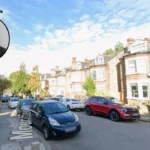
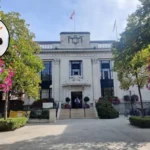
Golders Green (North London News) February 2, 2026 – Pictures reveal the vibrant daily life inside London’s ‘Jewish quarter’ in Golders Green, Barnet, where nearly half the population identifies as Jewish.
- Key Points
- What Makes Golders Green London’s ‘Jewish Quarter’?
- How Did Jewish Settlement Begin in Golders Green?
- What Is Daily Life Like for Residents?
- Why Is Kosher Food Central to the Community?
- How Does the Community Preserve Jewish History?
- What Challenges and Changes Face Golders Green?
- Broader Context of Jewish London
The neighbourhood, centred around Golders Green Road, teems with kosher supermarkets, restaurants, over 30 synagogues, and Jewish schools, drawing residents who adhere to kosher dietary laws and Shabbat observance. As reported in MyLondon, Jewish settlement surged after the Underground station opened in 1907, followed by 1930s refugees fleeing Nazi persecution. Rabbi B Denderowicz told MyLondon:
“I remember it every day, so it’s not one particular day that I remember it. So, my grandfather lived through it. So, it’s a constant. I was in Poland last week and I remember the last ones on a regular basis. So I’ve taken [my children], or they have gone to see what has passed. We go and look back into the history”.
What Makes Golders Green London’s ‘Jewish Quarter’?
Golders Green earned its moniker as London’s ‘Jewish quarter’ due to its dense concentration of Jewish institutions and businesses catering to observant lifestyles. Walking Golders Green Road from the Underground station reveals an array of kosher eateries, from pizza places buzzing late into the night to supermarkets like B Kosher specialising in French and South African products. The 2021 Census confirms 49.9% of 14,744 residents are Jewish, forming the epicentre of Barnet’s 55,000-strong community, Europe’s largest outside Israel.
Synagogues abound, with over 30 in the area, including Golders Green Synagogue, established in 1915 during World War I in a parish church hall before its 1922 Dunstan Road building became Grade II listed. Rabbi B Denderowicz leads Harmony Close synagogue and lectures on Jewish topics while overseeing kosher standards like vegetable inspections. These institutions foster multilingual conversations in English, Hebrew, French, and Russian.
How Did Jewish Settlement Begin in Golders Green?
Jewish presence traces to the early 1900s, with the first resident arriving 125 years ago, but numbers grew post-1907 Underground opening, offering affordable suburban homes to East End migrants. Pam Fox, in “The Jewish Community of Golders Green: A Social History,” notes Jews moved from crowded areas like St John’s Wood and Hampstead, seeking semi-rural peace.
The 1930s brought German and Galician refugees; the Golders Green Beth Hamedrash formed from German Jews, followed by other shuls and pre-WWII schools like Menorah. As per The Jewish Press, early 20th-century arrivals solidified the community amid Hitler’s rise. Post-WWI, the first service occurred in 1913 on West Heath Drive, with affluent families employing maids as status symbols.
What Is Daily Life Like for Residents?
Daily life pulses with kosher observance, as illustrated by 17-year-old Ruchami Grunewald working in a kosher sandwich shop. As reported by MyLondon, she stated:
“In Judaism, we have laws about [everything] and we have reasons behind it. For example, I’m just sitting here working in a restaurant, but because this is a kosher restaurant, I’ve had to go through a process of being approved and I have to check every single food item or things that come into the shop”.
She added:
“There’s so many different things that some other people might find crazy or insane and they don’t understand why, it’s all just connected”.
Around 50 kosher eateries operate under rabbinical supervision, including Sushi Haven for fresh rolls, Bagel Bar for pastries and pizza, La Fiesta’s Argentinian grills, Pita’s shawarma, and Delicatescent’s Israeli fare. Yerushalmi offers schnitzel and shakshuka, certified by KLBD. Sami’s on Golders Green Road serves meat dishes under Beit Din London. Golders Hill Park provides green space with a zoo and ponds near Hampstead Heath.
Thirty Jewish schools teach Hebrew, Yiddish, and traditions, with Rimon Jewish Primary on Golders Green Synagogue grounds since 2012. The Jewish Learning Exchange offers classes; Reb Chuna’s Shtiebl hosts minyanim.
Why Is Kosher Food Central to the Community?
Kosher adherence demands strict rules, scarce outside Golders Green but abundant here with 50 supervised spots. Staff like Ruchami undergo approval; Rabbi Denderowicz advances methods like thrip cloth for vegetables. Supermarkets in nearby Hendon and Temple Fortune supplement local delis like Panzers.
This supports Shabbat laws, where work ceases from Friday sunset to Saturday night. Observance binds the diverse Orthodox, Haredi, Conservative, and Reform groups.
How Does the Community Preserve Jewish History?
Rabbi B Denderowicz stresses daily remembrance over single days like Holocaust Memorial. He shared with MyLondon his grandfather’s survival and family trips to Polish sites. This instils history in children amid Poland visits.
Institutions like the Jewish Learning Exchange and shuls reinforce culture. Golders Green Synagogue’s centenary journal highlights religious-lay ties. Book reviews note Zionist clubs, welfare groups, and youth organisations.
What Challenges and Changes Face Golders Green?
While thriving, the area sees Asian influxes—Korean, Japanese—though Ashkenazi Jews predominate. Jewish growth hit 34% since 2000, including Haredim and Israelis. Barnet remains UK’s most Jewish borough.
Housing varies; Golders Green Road shops contrast quiet residential streets. Liberal Judaism attempts in 1915 failed despite Rabbi Israel Mattuck’s local home.
Broader Context of Jewish London
Golders Green anchors North London’s Jewish hubs like Hampstead, Hendon, and Edgware, accessible via Northern Line. ImageUSA describes its dynamic life. Park East Day School calls it a “Jewish epicenter” since American developers in the 1900s.
This enclave preserves traditions amid modern London, as pictures capture bustling streets, synagogues, and eateries defining daily Jewish life.