Key Points
- Islington Council has launched the Poverty Truth Commission, the first of its kind in London, to address poverty through direct resident input.
- The commission involves 15 “community commissioners” who are residents with lived experience of poverty.
- These community commissioners will work alongside civic and business commissioners from public services, companies, and voluntary organisations.
- The initiative aims to place people with real experience of living in poverty at the heart of decision-making for anti-poverty policies.
- Councillor Una O’Halloran, leader of Islington Council, highlighted the borough’s vibrancy and diversity but stressed persistent poverty issues.
- Nearly half of Islington’s children are growing up in poverty, with many older residents struggling to make ends meet.
- The council is determined to tackle poverty as part of broader efforts to improve opportunities in the borough.
- The commission seeks to shape policies collaboratively between residents, community leaders, and business figures.
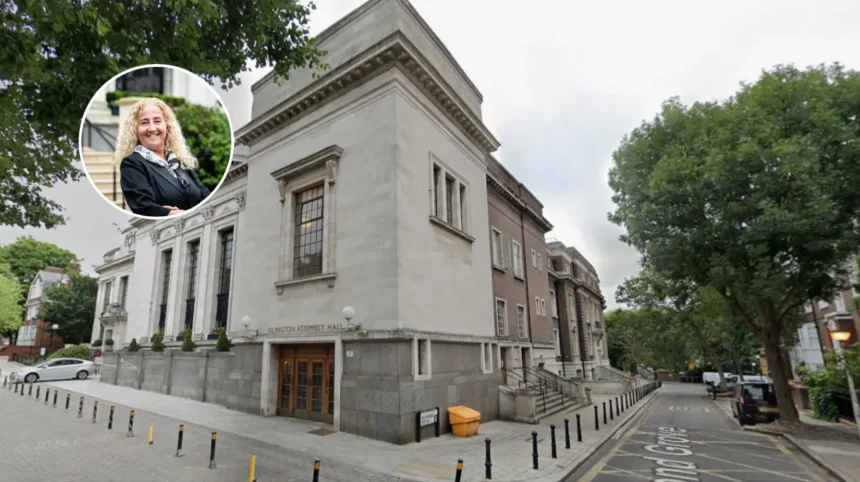
Islington (North London News) February 26, 2026 – Islington Council has launched a groundbreaking Poverty Truth Commission, the first of its kind in London, placing residents with direct experience of poverty at the centre of efforts to shape anti-poverty policies. The initiative brings together 15 “community commissioners” – local residents who have lived through poverty – with civic and business leaders from public services, companies, and voluntary organisations to influence decision-making. Councillor Una O’Halloran, leader of Islington Council, announced the launch, emphasising the borough’s stark contrasts between opportunity and entrenched deprivation.
- Key Points
- What Is the Poverty Truth Commission?
- Why Was the Commission Launched in Islington?
- Who Are the Community Commissioners?
- How Will the Commission Shape Anti-Poverty Policies?
- What Challenges Does Poverty Pose in Islington?
- Who Is Leading the Initiative?
- What Makes This the First in London?
- How Does It Involve Business and Civic Leaders?
- What Are the Expected Outcomes?
- Why Focus on Lived Experience?
- Broader Context in UK Poverty Efforts
- Next Steps for the Commission
What Is the Poverty Truth Commission?
The Poverty Truth Commission represents a novel approach to tackling poverty by prioritising lived experience in policy formulation.
As detailed in the council’s official announcement, the commission comprises 15 community commissioners selected from residents who have personally navigated financial hardship, working alongside representatives termed civic and business commissioners. These include figures from public services, private companies, and voluntary organisations, fostering a collaborative platform.
Councillor Una O’Halloran, leader of Islington Council, stated:
“Islington is a vibrant and diverse borough, full of opportunity – but it’s also a place where too many people remain persistently stuck in poverty.”
She further elaborated:
“We are determined to do all that we can to tackle poverty, as part of our wider efforts to make it happen for Islington. With nearly half of our children growing up in poverty, and many older residents struggling to make ends meet, we cannot and will not accept this as inevitable.”
This structure ensures that those most affected by poverty contribute directly to solutions, marking a shift from traditional top-down policy-making.
Why Was the Commission Launched in Islington?
Islington’s unique socio-economic profile necessitated this innovative response.
The borough, known for its cultural vibrancy and proximity to central London, grapples with significant inequality. Official data underscores the urgency: nearly half of children in Islington are growing up in poverty, a statistic Councillor O’Halloran repeatedly cited as unacceptable.
The council positions the commission as integral to broader anti-poverty strategies, aiming to eradicate the perception of poverty as inevitable. By involving business and civic leaders, the initiative seeks comprehensive input, blending grassroots insights with institutional expertise.
This London-first model draws inspiration from similar commissions elsewhere in the UK, adapted to Islington’s diverse demographics.
Who Are the Community Commissioners?
At the core of the Poverty Truth Commission are the 15 community commissioners, all Islington residents with authentic lived experience of poverty. These individuals will hold equal footing with their civic and business counterparts, ensuring their voices drive discussions on policy.
Selection criteria prioritise direct personal experience, guaranteeing authenticity in contributions. The council has not yet named specific commissioners, but the framework emphasises representation from varied backgrounds within the borough.
This inclusion aims to address systemic barriers faced by low-income families, from housing costs to employment access.
How Will the Commission Shape Anti-Poverty Policies?
The commission’s primary function is to influence Islington Council’s anti-poverty agenda through regular meetings and deliberations. Community commissioners will collaborate with leaders from public services – such as the NHS and local schools – alongside businesses and voluntary groups like food banks and housing charities.
Outputs may include policy recommendations on welfare support, affordable housing, and job training programmes. Regular public updates are anticipated, maintaining transparency. As per the launch details, the goal is transformative change, directly informed by those in poverty rather than distant bureaucrats.
What Challenges Does Poverty Pose in Islington?
Islington’s poverty crisis manifests acutely among children and pensioners. Councillor Una O’Halloran noted: “With nearly half of our children growing up in poverty, and many older residents struggling to make ends meet.” This affects education, health, and social mobility.
High living costs in London exacerbate issues, with many families relying on food banks despite the borough’s affluence. The council’s determination, as expressed by its leader, signals a proactive stance amid national debates on cost-of-living pressures.
Who Is Leading the Initiative?
Councillor Una O’Halloran, as leader of Islington Council, spearheads the Poverty Truth Commission. Her statements frame the launch as a moral imperative:
“We are determined to do all that we can to tackle poverty.”
O’Halloran’s tenure has focused on social justice, aligning this commission with her vision for an equitable Islington.
Support comes from cross-party councillors and external partners, ensuring broad political backing. The initiative’s success hinges on her leadership in convening diverse stakeholders.
What Makes This the First in London?
Islington claims pioneering status as London’s inaugural Poverty Truth Commission, distinguishing it from other UK models. While similar bodies exist nationally, this tailored version addresses local nuances like urban density and multicultural communities.
The council highlights its vibrancy:
“Islington is a vibrant and diverse borough, full of opportunity.”
Yet, persistent poverty demands innovation, positioning Islington as a trailblazer for neighbouring boroughs.
How Does It Involve Business and Civic Leaders?
Business commissioners from local firms and civic representatives from public bodies join to provide resources and expertise. This tripartite model – community, civic, and business – ensures practical, funded solutions.
Voluntary organisations add frontline insights, creating a holistic network. Councillor O’Halloran’s vision integrates these sectors:
“as part of our wider efforts to make it happen for Islington.”
What Are the Expected Outcomes?
Short-term outcomes include policy briefs and action plans, with long-term goals reducing child poverty rates. Success metrics may track employment rises and welfare dependency falls.
The commission’s emphasis on inevitability – “we cannot and will not accept this as inevitable” – sets ambitious targets. Public engagement will amplify impact.
Why Focus on Lived Experience?
Centring lived experience counters detached policy-making. Residents’ testimonies will highlight nuances statistics miss, such as mental health tolls of poverty.
This participatory democracy model empowers marginalised voices, fostering ownership of solutions.
Broader Context in UK Poverty Efforts
Islington’s launch aligns with national conversations on inequality, amid economic recovery post-2025 challenges. Similar commissions in Scotland and Wales inform the model, but London’s first status elevates its profile.
Critics may question implementation, yet the council’s commitment appears resolute.
Next Steps for the Commission
Recruitment for commissioners is underway, with meetings scheduled soon. Public consultations may follow, inviting wider input.
Councillor O’Halloran reaffirmed: “We are determined to do all that we can.” Progress reports will track advancements.