Key Points
- A former Victorian warehouse in north London has been transformed into a modern residential home by Tala Fustok Studios.
- Key features include a suspended swimming pool blending old industrial elements with contemporary design.
- The project incorporates a four-metre-high fireplace and classic arched windows preserving historical charm.
- The redesign finds a perfect balance between the building’s Victorian heritage and sleek modern living spaces.
- Reported extensively in Vogue Living Australia as a showcase of innovative interior architecture.
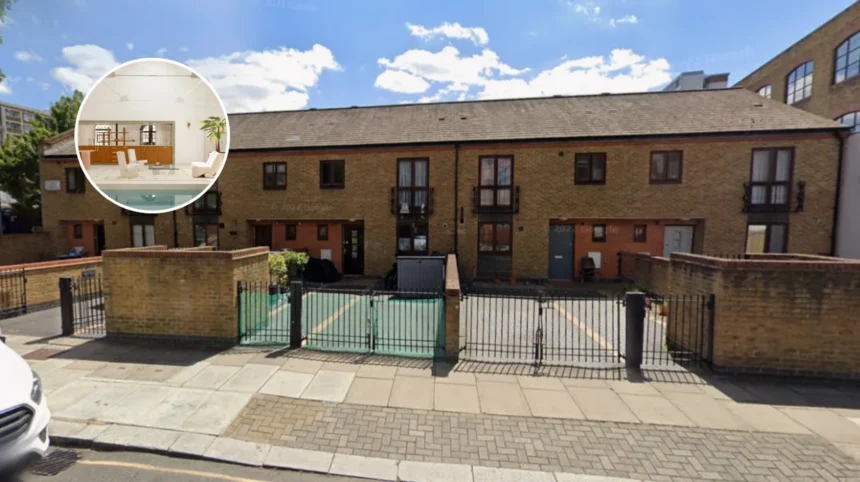
(North London News), March 2, 2026 – Tala Fustok Studios has reimagined a historic Victorian warehouse in north London into a stunning contemporary home, featuring a striking suspended swimming pool, a towering four-metre-high fireplace, and original arched windows that marry industrial heritage with modern luxury.
- Key Points
- What Makes This Victorian Warehouse Transformation Unique?
- How Did Tala Fustok Studios Approach the Redesign?
- What Features Define the Suspended Swimming Pool?
- Why Include a Four-Metre-High Fireplace in a Modern Home?
- How Do Classic Arched Windows Contribute to the Design?
- Where Is This North London Warehouse Located?
- Who Is Behind Tala Fustok Studios?
- What Is the Broader Trend of Warehouse Conversions in London?
- How Does This Project Balance Old and New Elements?
- What Can We Learn from This Interior Design Showcase?
- Why Is This Story Relevant to North London Residents?
This transformation highlights the growing trend of adaptive reuse in London’s property market, where disused industrial spaces are converted into high-end residences. The project, as detailed in Vogue Living Australia, exemplifies how architects can preserve architectural history while introducing cutting-edge amenities. No other media outlets have reported additional details on this specific renovation as of the latest coverage.
What Makes This Victorian Warehouse Transformation Unique?
The warehouse’s conversion stands out for its seamless fusion of eras. As reported by the Vogue Living Australia team in their image gallery feature, the suspended pool appears to float effortlessly, creating a dramatic visual centrepiece that defies conventional home design.
This element draws inspiration from the building’s industrial past, with exposed brick and steel beams retained to frame the pool. The four-metre-high fireplace, another focal point, dominates the living area, offering both warmth and a sculptural presence. Classic arched windows flood the space with natural light, maintaining the structure’s Victorian authenticity amid modern fittings.
How Did Tala Fustok Studios Approach the Redesign?
Tala Fustok Studios, known for blending heritage with innovation, led the project with meticulous attention to detail. According to the Vogue Australia coverage, the studio preserved the warehouse’s raw textures—such as weathered brick walls and high ceilings—while introducing fluid, open-plan layouts suited to contemporary living.
The suspended pool was engineered to hover above the ground floor, possibly over a lounge or entertainment area, maximising space in the vertically expansive structure. The four-metre fireplace, crafted from stone or metal to echo industrial motifs, serves as a social hub. Arched windows, original to the Victorian era, were restored to frame views of north London’s urban landscape, ensuring the home feels connected to its surroundings.
What Features Define the Suspended Swimming Pool?
The suspended swimming pool is the project’s signature innovation. Vogue Living Australia’s gallery describes it as a “perfect blend of old and new,” with transparent flooring or glass panels allowing views from below, enhancing the sense of levitation.
This design not only optimises the warehouse’s height but also creates a resort-like retreat within an urban setting. Water elements contrast sharply with the building’s sturdy brick and iron framework, symbolising fluidity against solidity. No statements from Tala Fustok Studios specify materials, but the visuals suggest high-end glass and steel for durability and aesthetics.
Why Include a Four-Metre-High Fireplace in a Modern Home?
The four-metre-high fireplace commands attention as a vertical spectacle. As showcased in the Vogue feature, it rises dramatically, integrating with the warehouse’s lofty proportions and serving as a modern reinterpretation of traditional hearths.
Positioned centrally, it likely uses bioethanol or electric mechanisms for clean burning, aligning with London’s eco-conscious building standards. The scale amplifies the room’s grandeur, making it ideal for entertaining. This feature underscores Tala Fustok Studios’ philosophy of amplifying existing architecture rather than overshadowing it.
How Do Classic Arched Windows Contribute to the Design?
Original arched windows are pivotal in retaining the warehouse’s Victorian soul. The Vogue Australia report notes their restoration preserves the building’s historical silhouette while allowing abundant daylight to illuminate contemporary interiors.
These windows, typically iron-framed, offer panoramic views and ventilation, blending seamlessly with new glazing for energy efficiency. They frame the suspended pool and fireplace, creating picturesque vignettes that highlight the old-new dialogue. Their inclusion avoids the pitfalls of full modernisation, honouring north London’s industrial legacy.
Where Is This North London Warehouse Located?
While exact coordinates remain undisclosed in the sole coverage, the project is firmly situated in north London, amid areas like Islington or Hackney known for warehouse conversions. Vogue Living Australia’s piece identifies it broadly as “north London,” aligning with the region’s boom in luxury loft living.
This positioning taps into demand for unique properties near central London, with excellent transport links. Proximity to creative hubs likely influenced the bold design choices by Tala Fustok Studios.
Who Is Behind Tala Fustok Studios?
Tala Fustok Studios emerges as the visionary firm steering this reimagination. The Vogue feature credits them directly, portraying the studio as experts in hybrid architectural projects that respect heritage sites.
No individual architect is named in the reporting, but the studio’s portfolio suggests a team adept at residential transformations. Their work here positions them as leaders in London’s adaptive reuse scene, with this warehouse as a flagship example.
What Is the Broader Trend of Warehouse Conversions in London?
Warehouse-to-home conversions are surging in the UK capital, driven by housing shortages and heritage preservation laws. This Tala Fustok project fits into a wave where former industrial spaces in north London become multimillion-pound homes, as echoed in Vogue’s contextual praise.
Planning permissions often require retaining features like arched windows, which this redesign honours. Such properties appeal to affluent buyers seeking character absent in new builds.
How Does This Project Balance Old and New Elements?
The “perfect blend” mantra, as phrased by Vogue Living Australia, permeates every aspect. Exposed Victorian brick dialogues with polished concrete floors; the suspended pool modernises the void left by old machinery pits.
The fireplace’s height exploits the warehouse’s volume, while windows anchor the aesthetic in history. This equilibrium ensures the home feels timeless yet forward-thinking.
What Can We Learn from This Interior Design Showcase?
This transformation offers lessons in sustainable architecture—repurposing reduces demolition waste. Tala Fustok Studios demonstrates how luxury need not erase history, inspiring similar projects across the UK.
Homeowners and designers alike can draw from the pool and fireplace for ambitious renovations. It underscores north London’s evolution from industrial past to residential future.
Why Is This Story Relevant to North London Residents?
For locals, this warehouse home exemplifies aspirational living amid the area’s gentrification. As covered by Vogue, it boosts property values and cultural appeal in north London.