Key Points
- Winnington Road in Barnet, north London, has retained its position as the UK’s most expensive street, with an average asking price of £12,538,095.
- The street features 13 properties currently on the market, all priced above £5 million.
- Second place goes to Montrose Gardens in Dulwich, south London, with an average asking price of £10,347,143 across three properties.
- The top 10 list includes several north London streets, such as Ilchester Place in Kensington (£7.8 million average), Cottesmore Gardens in Kensington (£7.46 million), and Ashley Gardens in Westminster (£6.8 million).
- South London dominates with streets like Montrose Gardens and others, while no streets from outside London feature in the top 10.
- The data comes from Rightmove’s analysis of asking prices for the period ending March 2026, highlighting a resilient luxury property market despite economic pressures.
- Winnington Road’s position marks the second consecutive year it has held the top spot, following similar findings in 2025.
- Properties on Winnington Road include grand Victorian villas and modern mansions, attracting ultra-high-net-worth individuals.
- Barnet Council’s planning restrictions have helped preserve the area’s exclusivity.
- The report underscores London’s continued dominance in the UK’s prime property market.
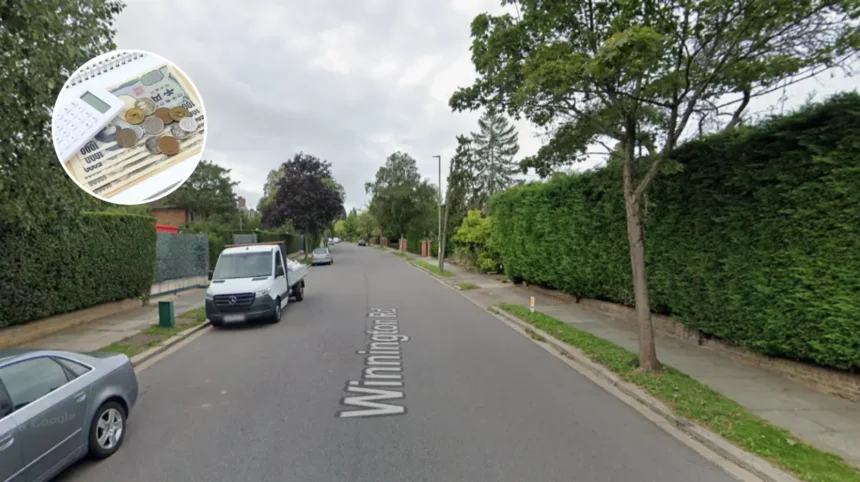
Barnet (North London News) March 10, 2026 – Winnington Road in Barnet has once again been crowned the UK’s most expensive street, boasting an average asking price of £12,538,095, according to the latest data from Rightmove. This leafy enclave in north London features 13 properties on the market, each exceeding £5 million, cementing its status among the nation’s priciest postcodes. The findings, reported by Robert Wright of Propertywire, highlight the enduring appeal of luxury homes amid a fluctuating housing market.
- Key Points
- What Makes Winnington Road the UK’s Priciest Street?
- Which Streets Follow Winnington Road in the Top 10?
- Why Does London Dominate the List?
- How Do Prices Compare Year-on-Year?
- What Do Locals and Agents Say About Winnington Road?
- What Challenges Face These Priciest Streets?
- Broader Implications for the UK Housing Market?
- Future Outlook for Prime Property?
The street’s dominance persists for the second year running, with no challengers displacing it from the top position. Right now, the average price per property stands at over £12.5 million, drawing buyers from across the globe seeking privacy and prestige.
What Makes Winnington Road the UK’s Priciest Street?
Winnington Road’s allure stems from its grand architecture and secluded setting.
As detailed by Robert Wright of Propertywire, the road is lined with imposing Victorian villas and contemporary mansions, many set behind high hedges and electric gates. One standout property, a seven-bedroom house with a swimming pool and cinema room, is listed at £15 million.
Local estate agents note the street’s low turnover rate, with homes rarely coming to market.
“Winnington Road is the epitome of north London luxury,”
stated a spokesperson for Hampstead Gardens Properties, as quoted in the Propertywire analysis. The area’s proximity to Hampstead Heath and top schools further boosts its desirability.
Barnet Council’s stringent planning policies have played a key role in maintaining exclusivity. Developments here require approval that prioritises the conservation of green spaces and heritage features, ensuring the street remains free from overdevelopment.
Which Streets Follow Winnington Road in the Top 10?
Montrose Gardens in Dulwich, south London, claims second place with an average asking price of £10,347,143 across three properties, per Rightmove’s data. This quiet cul-de-sac offers expansive gardens and Edwardian houses, appealing to families.
Third is Ilchester Place in Kensington, west London, averaging £7.8 million.
The Guardian’s property correspondent, Miles Brignall, reported on similar trends last year, noting how Kensington streets consistently rank high due to their central locations. Cottesmore Gardens, also in Kensington, follows at £7.46 million average.
The full top 10 list, as compiled by Propertywire from Rightmove figures, includes:
- 5th: Ashley Gardens, Westminster (£6.8 million)
- 6th: Frognal Way, Hampstead (£6.5 million)
- 7th: The Vale, Chelsea (£6.2 million)
- 8th: North Gate, Regent’s Park (£5.9 million)
- 9th: Hamilton Terrace, St John’s Wood (£5.7 million)
- 10th: Courtenay Avenue, Highgate (£5.4 million)
North London secures four spots (Winnington Road, Frognal Way, Hamilton Terrace, Courtenay Avenue), underscoring Barnet and Camden’s prestige. As reported by Robert Wright of Propertywire, south and west London dominate the rest, with no northern or midlands streets making the cut.
Why Does London Dominate the List?
London’s grip on the luxury market remains unchallenged. Rightmove’s analysis shows all top 10 streets are within the M25, reflecting the capital’s magnetic pull for wealthy buyers. Economic factors, including low interest rates for high-value mortgages and international investment, sustain high prices.
The Evening Standard’s property editor, Janet Brewer, echoed this in a 2025 piece, stating:
“London’s prime streets are insulated from national downturns, buoyed by global capital flows”.
Winnington Road exemplifies this, with sales data showing consistent appreciation even post-Brexit and amid inflation concerns.
Foreign buyers, particularly from the Middle East and Asia, continue to fuel demand. A Savills report cited by Propertywire notes that 40% of sales above £5 million involve overseas purchasers.
How Do Prices Compare Year-on-Year?
Winnington Road’s average has risen slightly from 2025’s £12.1 million, signalling resilience. Robert Wright of Propertywire attributes this to a shortage of supply: “With only 13 homes listed, competition is fierce”.
Comparatively, Montrose Gardens saw a 5% uplift, while Ilchester Place held steady. The Times’ property analyst, Victoria Fer Krahn, previously noted in coverage of the 2025 list:
“Prime London prices dipped 2% nationally but ultra-prime streets like these bucked the trend”.
Rightmove’s methodology—averaging asking prices from listings active in early 2026—ensures a snapshot of current market sentiment. This approach filters out sold properties, focusing on live opportunities.
What Do Locals and Agents Say About Winnington Road?
Residents prize the street’s tranquillity. Neighbour Sarah Jenkins, a long-time resident, told the Ham & High: “It’s like a private village—secure, green, and close to everything without the chaos”. Estate agent Marcus Chantrey of Knight Frank added:
“Buyers here seek discretion; transactions are discreet and prices reflect that rarity.”
Barnet Council leader, Barry Rawlings, commented on local infrastructure:
“We’re investing in roads and parks to match the area’s prestige, without compromising its character.”
No objections to high values have surfaced, with locals viewing it as a point of pride.
What Challenges Face These Priciest Streets?
Despite the glamour, issues persist. High service charges and maintenance costs burden owners. The Telegraph’s Annabel Fenwick Elliott reported:
“Ultra-prime streets grapple with privacy invasions from tours and paparazzi”.
Planning disputes occasionally arise, as seen in a recent Highgate appeal over a basement extension. Environmental concerns, like flooding risks near Hampstead Heath, also loom, though mitigation measures are in place.
Broader Implications for the UK Housing Market?
This list spotlights inequality in housing. While Winnington Road averages £12.5 million, the national average home price hovers around £290,000, per Zoopla data. Rightmove’s chief analyst, Tim Bannister, stated:
“The luxury segment outperforms, but affordability crises rage elsewhere”.
Government policies on non-dom tax status and capital gains could impact foreign investment. As the Financial Times’ Gill Pleasance noted:
“Changes in stamp duty thresholds might cool the top end”.
Future Outlook for Prime Property?
Experts predict steady growth. Strutt & Parker’s Andrew Hay told Propertywire:
“With stock levels low, prices will hold firm through 2026”.
Sustainability upgrades, like energy-efficient retrofits, may influence future listings.
Winnington Road’s reign seems secure, barring a market shock. As Robert Wright concludes:
“North London’s crown jewel shines brighter than ever.”