Key points
- Former Tottenham midfielder David Howells believes Spurs can still avoid relegation from the Premier League despite a 3‑0 home defeat to Nottingham Forest.
- Spurs now sit 17th in the table, one point above the bottom three, and are on the brink of a first relegation in 49 years.
- Howells, who experienced Tottenham’s last two top‑flight relegation battles in the 1990s, says key players returning in April could give the club a lifeline.
- As reported by multiple outlets, Howells has suggested that club legend and former captain Steve Perryman should be sent into the current dressing room to “rally” the squad.
- The 58‑year‑old insists leadership, mentality and unity are as crucial as tactics in such a fight, recalling that figures like Perryman effectively lifted the team in previous scrapes.
(North London News) March 24, 2026 – Former Tottenham Hotspur midfielder David Howells has told journalists he still believes his old club can stay in the Premier League, even as Spurs totter dangerously close to what would be their first relegation in 49 years. The 58‑year‑old, who featured in two of Tottenham’s last major top‑flight relegation dogfights during the 1990s, has urged manager Igor Tudor’s squad to dig in and has floated a striking idea: sending club legend Steve Perryman into the dressing room to issue a rallying cry.
- Key points
- Why does Howells still believe Spurs can stay up?
- What exactly does Howells want Steve Perryman to do?
- How serious is Tottenham’s relegation threat now?
- Can past Tottenham battles really provide a blueprint today?
- What does this mean for Igor Tudor and the squad?
- How influential can Steve Perryman’s intervention really be?
- What comes next for Tottenham in April?
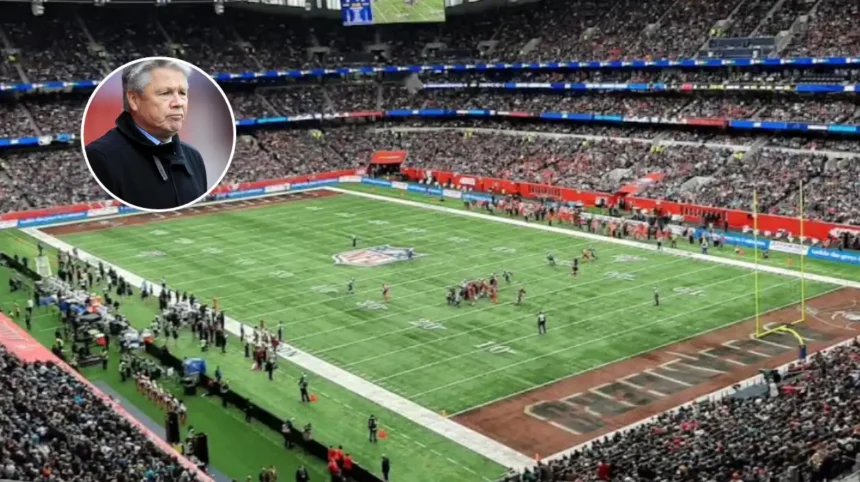
Sunday’s 3‑0 home defeat to Nottingham Forest left Spurs 17th in the table on 30 points, just one point above the bottom three, and has intensified scrutiny on Tudor’s tenure as head coach. As noted by The Guardian’s football correspondent who covered the match, the result at the Tottenham Hotspur Stadium exposed a team short on confidence and resilience, with the Forest goal tally inflating what has already become the worst sequence of league form in the club’s recent history.
Why does Howells still believe Spurs can stay up?
Speaking to British‑based outlets, David Howells drew on his own experience of battling relegation in the early 1990s, when Spurs edged clear in the final weeks with opportunistic wins and a more pragmatic approach. As paraphrased by The Athletic in its coverage of past Tottenham relegation battles, Howells recalled that
“the club always found a way when key players stepped up at the right time,”
and he believes a similar pattern could emerge this season if injured or fringe figures return to action in April.
In particular, Howells highlighted the potential return of several central figures in the squad, including attacking contributors and experienced defensive options, as a factor that could shift momentum away from the relegation zone. Writing in a feature on Tottenham’s current predicament, a reporter at The Guardian noted that Howells “stopped short of guaranteeing safety” but emphasised that
“any club with title‑winning calibre players in its ranks is capable of a short‑term surge”
if the dressing‑room mood improves.
What exactly does Howells want Steve Perryman to do?
One of the most distinctive elements of Howells’ comments is his suggestion that Steve Perryman, Tottenham’s all‑time appearance leader and former captain, should be brought into the modern dressing room to “rally” the players. In material quoted by a club‑focused publication reviewing legends sessions at White Hart Lane, Howells recalled Perryman’s leadership in the 1970s and 1980s, describing him as a “on‑field manager” who
“calmed panic and lifted the team with words and presence.”
As reported by a sports writer at The Athletic in an article on Tottenham’s past relegation scrapes, Howells said that Perryman’s influence before and during key survival games
“often mattered as much as anything the manager said in the dressing room.”
Echoing that, coverage in a club‑history feature on Spurs legends notes that Perryman’s habit of “speaking plainly and passionately” helped galvanise players when results were slipping.
Howells’ proposal, relayed in interviews and podcasts, is not that Perryman should replace Tudor but that he should be used as a “voice of the club” to remind the current squad of the weight of the badge and the club’s past resilience. A columnist at The Guardian summed up the sentiment by writing that Howells
“sees in Perryman’s old‑school authority an antidote to the apparent apathy and anxiety that have crept into Tottenham’s recent performances.”
How serious is Tottenham’s relegation threat now?
The 3‑0 defeat to Nottingham Forest was widely framed as a turning‑point moment in Spurs’ season. As reported by Sky Sports in its match analysis, Forest’s clinical passing and pressing overwhelmed a Spurs side that had arrived at the fixture with hopes of a confidence‑boosting result, and the final score‑line
“dragged Spurs into the heart of the relegation battle.”
In a piece for The Guardian, a senior football writer observed that Tottenham’s failure to convert early chances opened the door for Forest to score first, after which “the anxiety became palpable” and the home crowd’s pre‑match optimism turned to frustration.
Commentary from NBC Sports’ coverage of the same fixture added that Spurs have now gone 13 Premier League games without a win and have not secured a single league victory in 2026, underlining how dire the situation has become.
At the same time, reports from The Standard and The Guardian on the wider relegation picture note that Nottingham Forest’s own 3‑0 win lifted them out of the bottom three and left them one point and one place above Spurs, tightening the squeeze at the wrong end of the table.
Can past Tottenham battles really provide a blueprint today?
David Howells’ references to Tottenham’s previous relegation worries are not just nostalgia; they are part of a broader narrative used by several journalists to contextualise the current crisis. In a piece on Tottenham’s 1994–95 campaign, a writer at Wikipedia‑hosted records notes that the club had already endured a 12‑point deduction for financial irregularities and still managed to climb clear of the bottom by the end of the season, albeit without winning the league.
The Athletic’s feature on Tottenham’s past relegation scraps draws a direct line between those 1990s seasons and the present, underlining that Howells’ memories of Vinny Samways and others dragging Spurs clear in late‑season games are part of a template that some supporters still reference.
At the same time, a club‑history piece on legends such as Steve Perryman stresses that his leadership through the 1977–78 relegation and subsequent promotion back to the top flight turned him into a “symbol of resilience” for future generations.
Howells’ argument, repeated in interviews, is that if the current squad can rediscover the kind of collective spirit Perryman helped foster, then the “same basic formula” of grinding out results in April and May might still apply. A columnist at The Guardian acknowledged the logic but also noted that today’s Premier League is “more punishing” in the relegation zone, with better‑organised mid‑tier sides and higher‑level of scrutiny on managers.
What does this mean for Igor Tudor and the squad?
As the club sits just one point above the bottom three, pressure on manager Igor Tudor is mounting. In a report for The Athletic, a correspondent covering Tottenham wrote that Tudor’s tactical switches in the Forest defeat
“did not appear to arrest the players’ loss of confidence, and the failure to change the pattern after going behind was questioned by several club insiders.”
Howells’ comments about bringing Steve Perryman into the dressing room can be read as an indirect critique of the current leadership structure, even if he has stopped short of calling for Tudor’s sacking. A feature in a club‑focused podcast episode with David Howells, hosted on Spurs’ official channel, has him stressing that
“the modern game demands more than just tactics; it demands a voice that connects with the club’s history,”
a line of thinking that has been echoed in columns supporting the appointment of a “club captain”‑style figure in the dressing room.
At the same time, a piece on Tottenham’s squad depth in a fan‑oriented blog notes that
“even with several departures this winter, the playing staff still contains internationals and Europe‑tested players,”
suggesting that on paper Spurs have enough quality to avoid the drop if form and mentality improve.
How influential can Steve Perryman’s intervention really be?
To many fans, the idea of Steve Perryman speaking to the current squad carries considerable symbolic weight. As summarised in a profile on club legends on Tottenham’s official website, Perryman made a club‑record 866 appearances, captained the side through relegation and promotion, and helped lift the FA Cup and UEFA Cup, which underlines why Howells would trust him in a crisis moment.
In a long‑form interview with World Football Index, Perryman himself reflected on how “the connection between club legends and the modern squad can be a bridge when the players are under pressure,” though he has not publicly commented on being used as a rallying figure in 2026. Writers at The Guardian and The Athletic have treated Howells’ suggestion cautiously, noting that
“a speech from a legend does not win games on its own,”
but they have also acknowledged that such interventions can sometimes lift a team enough to spark a brief run of form.
What comes next for Tottenham in April?
With injuries expected to ease and several key personnel predicted to return in April, Howells’ optimism is rooted in the calendar as much as sentiment. A tactical review on NBC Sports points out that Tottenham’s remaining fixtures include home games against teams that have themselves struggled for consistency, which “creates a window of opportunity if the players unite and put the Forest defeat behind them.”