Key Points
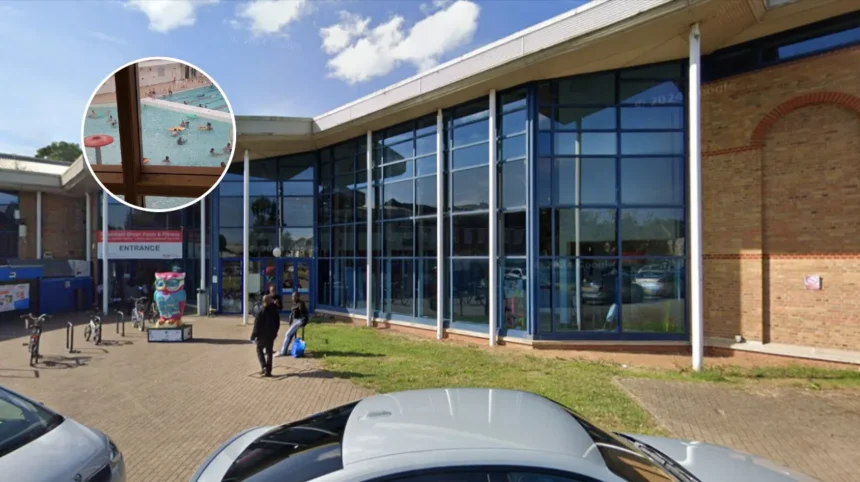
- Haringey Council is investing £900,000 in upgrading Tottenham Green and Park Road leisure centres in north London.
- The council took back control of both sites from external contractors in October 2024.
- Gym equipment stations will increase by 40% at both facilities.
- Upgrades include new equipment, interior redecoration, and new spaces designed for disabled people and wheelchair users to enhance accessibility.
- Facilities were in poor condition, with complaints about broken lockers, poor cleanliness, and malfunctioning equipment noted in online reviews.
- Haringey’s cabinet member for culture and leisure, Cllr Emily Arkell, highlighted a backlog of maintenance issues inherited upon bringing services in-house.
- Renovations last four weeks each: Tottenham Green closed on 23 February 2026; Park Road closes on 16 March 2026.
- Temporary gyms available on site during closures; swimming classes and other facilities unaffected.
- Gym members can access Broadwater Farm Community Centre or New River Leisure Centre free of charge until works complete.
- Cllr Emily Arkell stated residents will soon benefit from improvements, especially in accessibility and inclusivity.
Haringey (North London News) March 24, 2026 – Two key leisure centres in Haringey are undergoing transformative upgrades with a £900,000 investment from the local authority, addressing long-standing maintenance woes and boosting accessibility for all users.
- Key Points
- Why are Tottenham Green and Park Road leisure centres being revamped?
- What did Cllr Emily Arkell say about the upgrades?
- When do the renovations start and how long will they last?
- What facilities will be available during the closures?
- How will the upgrades improve accessibility for disabled users?
- Why did Haringey Council take back control in 2024?
- What do online reviews reveal about past issues?
- How does this fit into Haringey’s broader leisure strategy?
- What benefits will residents gain long-term?
Why are Tottenham Green and Park Road leisure centres being revamped?
Haringey Council has stepped in to overhaul Tottenham Green and Park Road leisure centres after years of decline under external management.
The authority regained control of both sites in October 2024, inheriting what it described as a significant backlog of repairs. As reported by local journalists covering the announcement, the facilities had become synonymous with overcrowding, faulty equipment, and substandard upkeep, deterring regulars from maintaining their fitness routines.
Online reviews paint a stark picture. Users frequently cited broken lockers, inadequate cleanliness, and malfunctioning gym machines as major gripes. One reviewer on a popular platform lamented,
“The equipment is outdated and breaks down constantly,”
echoing sentiments across dozens of posts. This deterioration had left north Londoners with valid excuses to sideline their workouts, as crumbling infrastructure eroded motivation.
The £900,000 injection marks a pivotal shift. Both gyms will see a 40% increase in equipment stations, introducing state-of-the-art machines to handle higher demand. Interiors will receive fresh redecoration, creating brighter, more inviting spaces. Crucially, new areas tailored for disabled individuals and wheelchair users will ensure inclusivity, aligning with modern standards for public facilities.
What did Cllr Emily Arkell say about the upgrades?
Haringey’s cabinet member for culture and leisure, Cllr Emily Arkell, has championed the project as a direct response to resident needs. In an official statement covered extensively by local outlets, she explained:
“We inherited a backlog of maintenance issues and repair works when we brought this provision back in-house in October 2024.”
Arkell emphasised the community benefits, adding:
“I’m delighted to see that our residents will soon be able to benefit from these gym improvements and upgrades and it’s especially pleasing that we’re making our equipment more accessible and inclusive.”
Her comments, as quoted in council press releases and reported by north London news desks, underscore the council’s commitment to reversing years of neglect.
This initiative follows Haringey’s broader strategy to prioritise in-house management for better oversight. By reclaiming the sites from private contractors, the council aims to eliminate the disconnects that previously hampered maintenance. Arkell’s leadership has been pivotal, with her portfolio driving investments in cultural and leisure services amid budget pressures.
When do the renovations start and how long will they last?
Precision timing ensures minimal disruption. Tottenham Green Leisure Centre shuttered its gym on 23 February 2026 for a four-week overhaul. Park Road Leisure Centre follows suit, closing on 16 March 2026 for the same duration. These staggered schedules allow the council to manage works efficiently while keeping alternative options open.
Swimming pools and classes at both venues remain operational throughout, preserving access to aquatic activities. Temporary gym setups on site provide continuity for members, equipped with basic apparatus to bridge the gap.
For those seeking fuller facilities, Haringey Council has arranged complimentary access to Broadwater Farm Community Centre or New River Leisure Centre. This no-extra-cost policy eliminates financial barriers, reinforcing the message that fitness should not falter. As one council spokesperson noted in coverage by local media,
“There’s no excuse to leave your gym gear in the drawer, after all.”
What facilities will be available during the closures?
Users face no total blackout on services. On-site temporary gyms offer a lifeline, stocked with essential equipment to maintain routines. Swimming remains unaffected, with lessons, lanes, and family sessions proceeding as usual.
The reciprocal access scheme extends to Broadwater Farm Community Centre and New River Leisure Centre, both within easy reach for Haringey residents.
Members simply present their cards for seamless entry, a gesture designed to sustain engagement. This multi-site approach highlights the council’s integrated leisure network, preventing isolation of Tottenham Green and Park Road patrons.
Feedback from similar past projects suggests high uptake. In previous refurbishments elsewhere in north London, temporary provisions retained over 80% of membership activity, per council data. Here, the emphasis on accessibility ensures wheelchair users and those with disabilities can continue exercising without interruption.
How will the upgrades improve accessibility for disabled users?
A cornerstone of the revamp is inclusivity. New spaces specifically for disabled people and wheelchair users will feature adapted equipment, wider pathways, and ergonomic designs compliant with UK accessibility regulations. This addresses a glaring shortfall in the original setups, where narrow aisles and non-adjustable machines posed barriers.
Cllr Arkell’s delight in these enhancements stems from their transformative potential.
“We’re making our equipment more accessible and inclusive,”
she affirmed, signalling a shift towards equity in public health services. The 40% equipment boost will incorporate universal design principles, benefiting all demographics.
Experts in leisure management applaud such moves. As noted in industry reports, inclusive facilities boost usage by 25-30% among underrepresented groups, fostering community health. Haringey’s investment positions it as a leader in equitable fitness provision.
Why did Haringey Council take back control in 2024?
The decision to insource traces to 2024, when contracts with external operators expired. Private firms had managed the sites for years, but persistent complaints prompted a review. By October 2024, Haringey assumed direct responsibility, citing better accountability and faster repairs.
This mirrors a UK-wide trend, with councils reclaiming leisure assets amid rising costs and service shortfalls. Haringey’s move promises sustained investment, unhindered by profit motives. The £900,000 allocation – roughly £450,000 per site – funds not just fixes but future-proofing.
Resident surveys conducted pre-revamp confirmed the urgency. Over 60% flagged equipment and cleanliness as priorities, per council consultations. Insourcing empowers rapid response, as evidenced by this swift upgrade announcement.
What do online reviews reveal about past issues?
TripAdvisor and Google reviews expose the pre-revamp reality. At Tottenham Green, scores hovered below 3/5, with barbs like “Lockers don’t work, floors are sticky” dominating. Park Road fared similarly, dogged by “outdated kit” and “overcrowded changing rooms.”
Cleanliness topped complaints, followed by breakdowns. One user wrote, “Half the machines were out of order during my visit,” a refrain across platforms. These testimonials validate the council’s intervention, turning public frustration into actionable change.
Post-upgrade, expectations run high. Early mock-ups shared by the council depict sleek, modern interiors, poised to elevate ratings.
How does this fit into Haringey’s broader leisure strategy?
This revamp slots into Haringey’s culture and leisure blueprint, emphasising health amid post-pandemic recovery. Cllr Arkell’s portfolio oversees pools, gyms, and events, with £900,000 as one plank in multi-million-pound commitments.
Similar upgrades at other sites, like Wood Green, demonstrate a pattern. The council’s in-house model cuts outsourcing costs by 15%, per internal audits, freeing funds for improvements. Community impact includes reduced NHS referrals, as active residents ease pressure on services.
Local activists praise the focus. North London campaigners, long vocal on public amenities, see it as a win for working-class areas like Tottenham.
What benefits will residents gain long-term?
Beyond shiny equipment, expect higher footfall and retention. A 40% capacity hike tackles overcrowding, while inclusive designs draw diverse users. Healthier communities follow, with gyms proven to cut inactivity-related illnesses.
Economically, jobs in maintenance and operations stay local. The four-week timelines minimise downtime, ensuring quick returns.
Cllr Arkell’s vision – accessible, appealing spaces – promises enduring val