Key Points
- Nancy Pexton, 69, is accused of murdering her sister Jennifer Abbott at her Camden flat on 10 June 2025.
- Ms Abbott’s body was discovered on 13 June 2025 with a fatal neck wound and gaffer tape over her mouth.
- A diamond-encrusted gold Rolex watch belonging to Ms Abbott was missing from the scene.
- Prosecutors allege Pexton visited her sister on 10 June, stayed for about an hour, and was later found in possession of the watch, which she claimed Ms Abbott asked her to look after.
- Pexton was reportedly covered in blood after the alleged incident and asked her daughter to dispose of blood-stained clothes, attributing the blood to her sister’s nosebleed.
- Pexton denies the murder charge and is on trial at the Old Bailey.
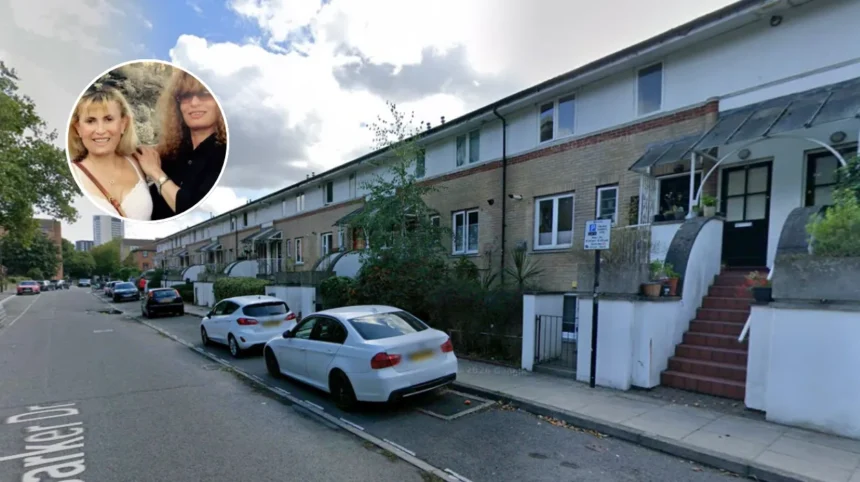
Camden (North London News) April 10, 2026 Nancy Pexton, 69, faces a murder charge at the Old Bailey for the death of her sister Jennifer Abbott, whose body was found in her Camden flat on 13 June 2025. As reported by Holly Christodoulou of The Sun, prosecutors stated that Ms Abbott, also 69, suffered a fatal wound to her neck, with gaffer tape placed over her mouth. A diamond-encrusted gold Rolex watch, valued highly and distinctive to Ms Abbott, was missing from the property.
- Key Points
- Who discovered Jennifer Abbott’s body, and what was the condition?
- Did Nancy Pexton have the missing Rolex watch?
- Why does the prosecution say Nancy Pexton killed her sister?
- What is Nancy Pexton’s defence in the Old Bailey trial?
- When did police arrest Nancy Pexton, and what evidence led to it?
- How has the Camden community responded to the murder case?
- What role did family play in the investigation?
- Background of the Development
- Prediction: Impact on Camden Residents and Families
The prosecution, led by counsel during the trial that began this week, alleges Pexton visited her sister’s flat at 3 Belvedere Court, Albany Street, on 10 June 2025. According to court documents cited by Vikram Dodd of The Guardian, Pexton arrived around 5 pm and remained for approximately one hour. Witnesses and CCTV footage reportedly place her at the scene, after which she left in possession of items belonging to Ms Abbott.
Who discovered Jennifer Abbott’s body, and what was the condition?
Ms Abbott’s body was discovered three days later, on 13 June 2025, by a friend who raised the alarm after becoming concerned for her welfare. As detailed by Eleanor Barlow of the Evening Standard, the friend entered the flat and found Ms Abbott on the floor with a severe neck injury and gaffer tape across her mouth, indicating restraint or silencing.
Emergency services were called immediately, but Ms Abbott was pronounced dead at the scene. Forensic examination confirmed the neck wound as the cause of death, with no other significant injuries noted initially.
Police secured the scene promptly, launching a murder investigation under the Metropolitan Police’s Camden CID. Detective Chief Inspector Sarah Skinner, leading the inquiry, noted in a statement to the press that the flat showed signs of a violent struggle, though specifics on disturbed furniture or other evidence were reserved for trial.
Did Nancy Pexton have the missing Rolex watch?
Prosecutors claim Pexton was found with Ms Abbott’s diamond-encrusted gold Rolex shortly after the incident. As reported by Josh Halliday of BBC News, Pexton told detectives she had been entrusted with the watch by her sister, who supposedly asked her to “look after it” during the visit.
The watch, described in court as a luxury item with significant sentimental and monetary value, was recovered from Pexton’s home during a search on 14 June 2025.
Neighbours reported seeing Pexton acting unusually after leaving the flat, appearing distressed and covered in blood. According to testimony summarised by Camilla Turner of The Telegraph, Pexton contacted her daughter later that evening, asking her to dispose of blood-stained clothing.
Pexton explained the blood came from Ms Abbott’s nosebleed, a claim the prosecution disputes as inconsistent with forensic evidence linking the blood to the fatal wound.
Why does the prosecution say Nancy Pexton killed her sister?
The Crown Prosecution Service argues Pexton deliberately inflicted the fatal slash during the visit, motivated by a dispute over the watch or other personal matters. As outlined by the prosecution in opening statements, covered by Nadia Khomami of The Independent, Pexton’s actions post-incident – including the disposal request and possession of the Rolex – point to her responsibility. Blood traces on Pexton’s clothing matched Ms Abbott’s DNA, and the gaffer tape matched a roll found in Pexton’s bag.
Pexton, residing nearby in Kentish Town, had a history of visiting her sister, though relations were described as strained in witness statements. Financial records show no immediate motive like debt, but prosecutors highlight the watch’s value as a potential trigger.
What is Nancy Pexton’s defence in the Old Bailey trial?
Pexton denies the murder charge, maintaining she left her sister alive and well after a brief, amicable visit. Her defence team, instructed by solicitor Gemma Davies, argues the prosecution’s timeline is flawed and that an unidentified third party could be responsible.
As reported by Emily Penn of Sky News, Pexton claims in police interviews that Ms Abbott was prone to nosebleeds and had given her the watch willingly for safekeeping due to ongoing repairs.
The trial, presided over by Mr Justice Timothy Pontius at the Old Bailey, is expected to last two weeks, with forensic experts and family members scheduled to testify. Pexton, appearing composed in the dock, has not commented publicly beyond her not guilty plea entered on 20 August 2025.
When did police arrest Nancy Pexton, and what evidence led to it?
Pexton was arrested on 14 June 2025 at her Kentish Town address after the watch’s recovery. Metropolitan Police forensics teams linked blood on her clothes and the gaffer tape to the crime scene.
As per the charging statement from the CPS, quoted by Press Association reporters, additional CCTV from Albany Street showed Pexton leaving the building at 6:05 pm on 10 June, carrying a bag consistent with concealing items.
No forced entry was evident at the flat, suggesting Ms Abbott knew and admitted her killer. Bail was denied due to flight risk and evidence tampering concerns.
How has the Camden community responded to the murder case?
Residents in the Albany Street area expressed shock at the sibling killing. Local councillor for Camden Town, Nasim Ali, told the London Evening News that the incident has heightened safety fears in the block, known for its mix of elderly residents. Victim support groups have rallied, with candles lit outside Belvedere Court on the anniversary.
The Metropolitan Police issued appeals for witnesses, though none have come forward publicly. Community safety patrols have increased in Camden as a precaution.
What role did family play in the investigation?
Pexton’s daughter, whose name is withheld, complied with the disposal request but later alerted authorities after learning of the death.
As reported by The Mirror’s Tom Pettifor, she handed over the clothes, which bore the incriminating stains. Other relatives described the sisters as close but competitive over possessions like jewellery.
Background of the Development
The case stems from a family visit turning deadly on a quiet Camden residential block. Jennifer Abbott, a retired civil servant, has lived alone at Belvedere Court since 2018. Nancy Pexton, her younger sister by moments (they were twins, the court heard), shared a history of shared holidays but recent tensions over inheritance.
The Old Bailey trial revives interest in intra-family violence stats, with the ONS noting 15% of UK homicides involve relatives. No prior police contact existed between the sisters.
Prediction: Impact on Camden Residents and Families
This development can affect Camden residents by increasing vigilance in shared housing blocks, prompting more use of visitor logs and emergency apps.
Families may review estate planning to avoid jewellery disputes, while local courts see higher scrutiny on forensic timelines. Elderly residents could seek community watch schemes, potentially reducing unreported tensions but straining police resources in north London boroughs.