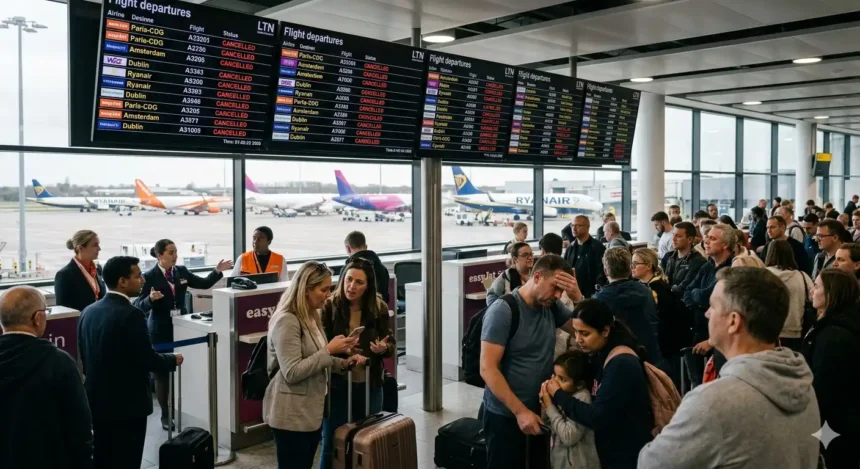
Flights from North London airports face cancellations due to a global jet fuel shortage triggered by the 2026 Iran War and Strait of Hormuz disruptions. This crisis affects Heathrow and Luton, key hubs for North London residents. Airlines prioritize routes amid 10 million barrels per day oil supply loss.
- What Causes Flights to Be Cancelled Due to Fuel Shortage?
- Which North London Airports Are Affected by Fuel Shortage Cancellations?
- What Is the Current Status of Fuel Shortage in North London?
- How Do Airlines Respond to Fuel Shortages Affecting North London Flights?
- What Rights Do North London Passengers Have If Flights Cancel Due to Fuel Shortage?
- What Are Historical Examples of Fuel Shortage Flight Cancellations Near North London?
- How Can North London Residents Prepare for Fuel Shortage Flight Cancellations?
- What Is the Future Outlook for Fuel Shortages Impacting North London Flights?
What Causes Flights to Be Cancelled Due to Fuel Shortage?
Fuel shortages cancel flights when jet fuel supplies drop below operational needs at airports, forcing airlines to ground aircraft. The 2026 crisis stems from the Iran War starting February 28, blocking the Strait of Hormuz, which handles 20% of global oil. UK airlines like Skybus halted London Gatwick flights on April 3, 2026, as prices hit $1,838 per tonne, comprising 40% of costs. Reserves last 5-6 weeks at major hubs.
The Strait of Hormuz defines a 21-mile-wide chokepoint between Iran and Oman. Conflict closed it partially from February 28, 2026, halting 10 million barrels daily of oil exports essential for jet fuel refining. Jet fuel, or Jet A-1, requires specific refineries; Middle East supplies 50% of UK imports via tankers to coastal terminals.
Processes begin with airlines hedging 80% of fuel at fixed prices, but unhedged portions spike costs. Airport suppliers ration via pipelines from terminals like Thames at Heathrow. North London impacts Heathrow, 15 miles west, serving 80 million passengers yearly.
Implications include 1,000+ global cancellations in April 2026, with Ryanair warning 5-10% summer cuts from its 95 European bases. UK regional airports like London Oxford report quiet operations as fuel prioritizes long-haul.
Which North London Airports Are Affected by Fuel Shortage Cancellations?
Heathrow and Luton airports near North London face highest risks from fuel shortages, with Heathrow drawing from Thames pipelines strained by Hormuz disruptions. Luton reports delays; Stansted less impacted but vulnerable. Over 200 flights delayed at Stansted in past events; current crisis tightens all Essex/North London hubs.
Heathrow Airport Limited operates Heathrow, Europe’s busiest with five runways and 1,300 daily flights. North London residents access it via M4, 20 minutes from Harrow. Luton Airport, 30 miles north, handles 18 million passengers yearly, focusing Ryanair and EasyJet.
Fuel mechanisms involve into-plane fueling from underground hydrants fed by pipelines. Shortages trigger “minimum fuel” declarations per ICAO Annex 6, committing flights to land without delay. Stansted, 35 miles northeast, uses coastal tankers; lightning damaged its system in 2018, canceling 31 flights.
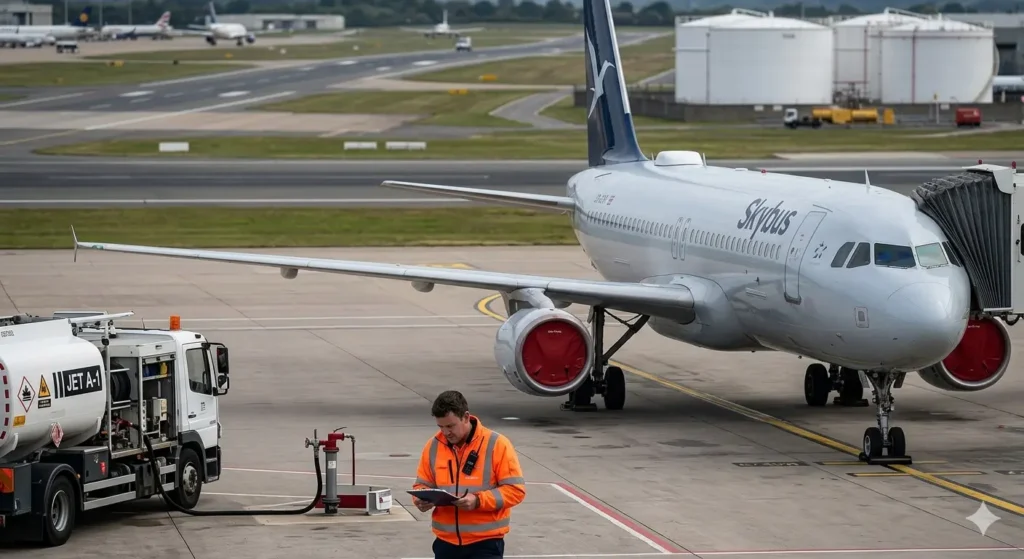
Real-world examples: Skybus canceled all London Gatwick-Newquay flights April 3, 2026, early due to fuel costs. London Oxford prioritizes business jets lower, stranding general aviation. Implications raise fares 31-40% on affected routes.
What Is the Current Status of Fuel Shortage in North London?
No full crisis exists at North London airports as of April 19, 2026, but supplies last 5-6 weeks without Hormuz reopening. Heathrow stocks suffice through mid-May; Ryanair confirms no immediate shortages but monitors. Prices doubled since January 2026.
Macro context traces to US-Israeli-Iran war escalating March 2026, squeezing EU/UK imports. UK receives last Middle East tanker this week; alternatives from North America strain Asia supplies first.
Subtopics cover airport inventories: Heathrow holds weeks of reserves in 10 million-liter tanks. Luton relies on road tankers from Thames refineries. Stansted pipelines face delays if tankers reroute.
Details show airlines like EasyJet expect first-half losses from $150/barrel fuel. Research from aviation trackers notes 40% operating costs now fuel. Implications: passengers see tighter seats, $280 surcharges.
How Do Airlines Respond to Fuel Shortages Affecting North London Flights?
Airlines cancel low-demand routes, impose 20-34% surcharges, and reduce capacity 5-10% during shortages. Ryanair plans 5-10% summer cuts; Lufthansa readies 40 aircraft groundings. Skybus ended London services April 3, 2026; Cathay added 34% surcharge April 1.
Key components include contingency plans: prioritize trunk routes like Heathrow-New York over leisure. Mechanisms declare “minimum fuel” to ATC for priority landing per PANS-ATM Doc 4444.
Processes: hedge fuel, tanker from hubs, swap smaller aircraft. Scandinavian Airlines cut 1,000 short-haul flights April 2026. North London examples: EasyJet at Luton adds turnaround times.
Implications: longer journeys, missed connections rise 20%. Air New Zealand cuts 5% from May; Thai Airways raises fares 10-15%.
What Rights Do North London Passengers Have If Flights Cancel Due to Fuel Shortage?
UK passengers receive full refunds or rerouting under EU261/UK261 if cancellations occur. Compensation up to £520 for delays over 3 hours; care includes meals, hotels. CAA enforces; claim via airline or AirHelp.
EU Regulation 261/2004, adopted UK post-Brexit as UK261, defines extraordinary circumstances like fuel shortages as non-compensable for force majeure. Refunds mandatory within 7 days.
Structure: airlines notify 14 days prior or provide alternatives. Fuel emergency declarations trigger priority but no extra pay. Examples: Ryanair offers refunds for summer cuts; British Airways rebooks stranded at Stansted 2018.
Data: AirHelp reports hundreds claimable from recent disruptions. Implications: document notices for £100s compensation; flexible tickets aid.
What Are Historical Examples of Fuel Shortage Flight Cancellations Near North London?
Stansted Airport canceled 31 flights and delayed 200+ on May 26, 2018, after lightning struck fueling system, stranding Ryanair passengers. Diversions to East Midlands, 100+ miles away. No recent North London parallels, but 2026 crisis mirrors global patterns.
Historical context: 1973 Oil Crisis cut UK aviation 20%; 2008 refinery fires grounded 100,000 passengers. Stansted event damaged hydrant system, halting refueling.
Key components: suppliers notify 5-7 days before shortfalls, per Ryanair CEO. Processes: ground non-essential flights. Implications for North London: similar chaos at Luton if pipelines fail.
How Can North London Residents Prepare for Fuel Shortage Flight Cancellations?
Book flexible tickets, monitor apps 48 hours pre-flight, and favor morning departures. Carry delay docs for claims; choose refundable fares amid 31-40% price hikes. Airlines notify 5-7 days for cuts.
Macro advice: check CAA site for updates. Subtopics: use Flightradar24 for real-time. Examples: build 4-hour connections at Heathrow.
Data: 6 weeks EU supply left per energy watchdog. Implications: secure summer bookings now as Ryanair urges.

What Is the Future Outlook for Fuel Shortages Impacting North London Flights?
Shortages persist through June 2026 if Hormuz closed; UK faces grounding post mid-May without reroutes. Prices stay $150+/barrel; 10% capacity cuts likely. De-escalation restores supplies; sustainable fuels unready.
Mechanisms: government taps reserves, mandates 10% sustainable aviation fuel by 2030. Research: IEA warns largest energy crisis.
Examples: Asia slashed thousands March 2026. Implications: North London holidaymakers face busier flights, higher costs into 2027.
Are flights from London being canceled due to the 2026 fuel shortage?
Yes, some flights are being reduced or canceled due to limited jet fuel supply, but airports are still operating.