Key Points
- Benali Hamdache, a Green Party councillor from Islington, has finally secured a London Assembly seat after 10 years of narrowly missing election in 2016, 2021, and 2024
- Hamdache took over Zoe Garbett’s London Assembly seat after Garbett became the Green Party Mayor of Hackney in May 2026
- Zoe Garbett previously replaced Siân Berry on the London Assembly in May 2024 after Berry resigned to campaign for MP for Brighton Pavilion
- Siân Berry stepped down from the London Assembly just three days after her re-election on May 6, 2024, to pursue her parliamentary candidacy
- The Green Party achieved historic electoral success across London in 2024, holding all three London Assembly seats and increasing vote share to 21.4% in the North East Constituency
- Hamdache was fifth on the Green Party’s London-wide list in 2024, appearing to need to wait until 2028 for another opportunity
- Garbett garnered 47% of the vote in Hackney, becoming one of the Green Party’s first two borough mayors in London
- The London Assembly consists of 25 total seats: Labour 11, Conservative 8, Green 3, Liberal Democrats 2, and Reform UK 1
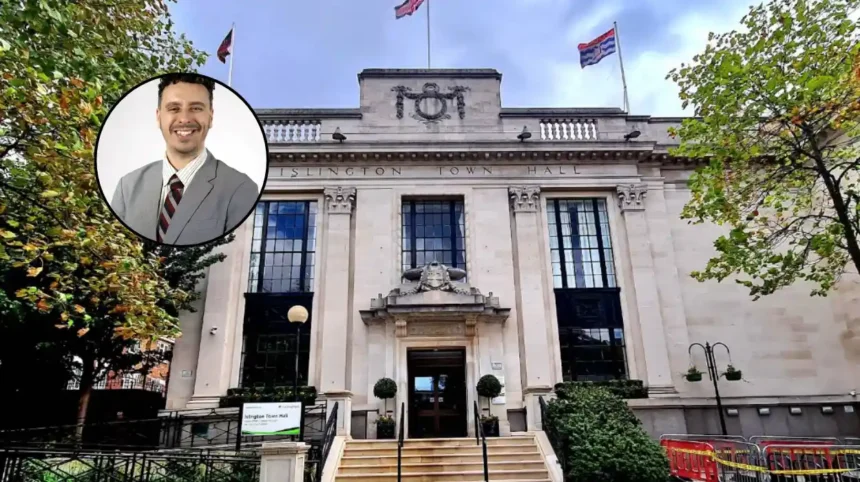
Islington (North London News) June 9, 2026 –Islington councillor Benali Hamdache has taken Green Mayor of Hackney Zoe Garbett’s seat on the London Assembly after her new role as borough mayor forced her to give it up, ending a ten-year campaign marked by near-misses at three consecutive elections. The Green Party figure, who has lamented being “forever the bridesmaid, never the bride” in his jousting for a sacred place on the London Assembly, narrowly missed out on a City Hall spot at each of the last three elections in 2016, 2021, and 2024.
- What Exactly Led to Hamdache’s London Assembly Seat Victory in 2026?
- Why Did Siân Berry Resign from the London Assembly Just Days After Re-election?
- How Did Zoe Garbett Transition from London Assembly Member to Hackney Mayor?
- What Was the Green Party’s Electoral Performance Across London in 2024?
- How Has Benali Hamdache Described His Ten-Year Campaign for London Assembly?
What Exactly Led to Hamdache’s London Assembly Seat Victory in 2026?
Having been fifth on the Green Party’s London-wide list two years ago in the 2024 election, it appeared Hamdache would need to wait until 2028 to try his luck again for a City Hall position.
However, the Green Party’s electoral success at all levels enabled Mr Hamdache to take his place on the London Assembly last month, shortly after the May 2024 London Assembly election.
As reported by the London Green Party, Zoë Garbett, Green councillor for Dalston in Hackney and the Green Party’s 2024 candidate for Mayor of London, stepped into a new role as one of London’s three Green London Assembly Members after Siân Berry stepped aside. Siân Berry stepped aside on Tuesday, May 7, 2024, to allow Zoë to take up one of the Green Party’s three London Assembly seats in her stead.
Why Did Siân Berry Resign from the London Assembly Just Days After Re-election?
Siân Berry, the former co-leader of the Green Party, stepped down from her position on the London Assembly just three days after her re-election on May 6, 2024. Ms. Berry was elected to City Hall as part of a trio of Green Party candidates but is now campaigning to succeed Caroline Lucas as the Member of Parliament for Brighton Pavilion.
As reported by BBC News, Ms. Berry’s exit from the London Assembly means mayoral candidate Zoë Garbett will take her place without necessitating a by-election.
On Saturday, Ms. Berry was re-elected as a London-wide assembly member, with the Green Party capturing 11.6% of the votes, which was sufficient for their top three candidates to be elected.
Although Ms. Garbett finished fourth on the list and initially missed the chance to join them, Ms. Berry’s resignation allowed her to take the position. It has also been revealed that Ms. Berry tried to resign on the same night that she was re-elected but was prevented by the Assembly’s rules, which required her to be sworn in before abdicating her seat.
Once she was able to resign on Tuesday, May 7, her seat was automatically passed to the party’s Green mayoral candidate, Zoe Garbett, without the need for a by-election to be held.
How Did Zoe Garbett Transition from London Assembly Member to Hackney Mayor?
Zoë Garbett, Green councillor for Dalston in Hackney, has served as the Mayor of Hackney for the Green Party since 2026.
She was previously a member of the London Assembly from 2024 to 2026 and a Hackney Councillor for Dalston from 2022 to 2026.
In her victory speech, Zoë Garbett of the Green Party garnered 47% of the vote, becoming one of the party’s pioneering borough mayors in London.
The Green Party celebrated the election of its first two borough mayors, with Zoë Garbett in Hackney becoming a pioneering figure.
Shortly after Garbett became Mayor of Hackney in May 2026, she gave up her London Assembly seat, which then passed to Benali Hamdache who was fifth on the party’s London-wide list.
This succession mechanism allowed Hamdache to finally secure his City Hall seat without waiting for the 2028 election.
What Was the Green Party’s Electoral Performance Across London in 2024?
The Green Party has experienced a remarkable surge in support, achieving historic victories in London as the Labour Party’s influence dwindled. In the London Assembly North East Constituency where Islington is located, the Green Party increased their vote share to over 20% for the first time, reaching 21.4% (a 1.6% gain over 2021).
2024 was yet another fantastic result across England and Wales for the Green Party, bringing them to an all-time record of 809 local councillors and resulting in the highest percentage increase of councillors of any party at 69%.
In London, the Green Party successfully held their 3 London Assembly seats despite the significant impact of the First Past the Post change on their voters.
The London Assembly consists of 25 total seats distributed as: Labour Party 11 seats total, Conservative 8 seats total, Green Party 3 seats total, Liberal Democrats 2 seats total, and Reform UK 1 seat.
The Green Party’s top three candidates were elected with the party capturing 11.6% of London-wide votes.
How Has Benali Hamdache Described His Ten-Year Campaign for London Assembly?
When it comes to jousting for a sacred place on the London Assembly, Benali Hamdache laments being
“forever the bridesmaid, never the bride”.
The Green Party figure has narrowly missed out on a City Hall spot at each of the last three elections in 2016, 2021, and 2024, making this his fourth attempt over a decade.
Having been fifth on the party’s London-wide list two years ago in 2024, it looked like the Islington councillor would need to wait until 2028 to try his luck again for another election opportunity. However, the chain of resignations and succession within the Green Party ultimately enabled his breakthrough to City Hall.
Benali Hamdache is an Islington councillor who has been active in the Green Party for over a decade, consistently campaigning for London Assembly representation.
His eventual success demonstrates how internal party dynamics and succession mechanisms can sometimes provide opportunities beyond the traditional election cycle.
Background: The Development Leading to Hamdache’s London Assembly Seat
The development that enabled Benali Hamdache to secure his London Assembly seat involves a complex chain of resignations and succession within the Green Party spanning from 2024 to 2026.
The sequence began when Siân Berry, former co-leader of the Green Party and London Assembly member, was re-elected on May 6, 2024, as part of the Green Party’s trio of London-wide assembly members with the party capturing 11.6% of London-wide votes.
Berry immediately resigned from the London Assembly on May 7, 2024, just three days after her re-election, to campaign for the position of MP for Brighton Pavilion, succeeding Caroline Lucas.
Her resignation was attempted on the same night as her re-election but was prevented by Assembly rules requiring her to be sworn in before abdicating.
Once Berry was able to resign, her seat automatically passed to Zoë Garbett, the Green Party’s 2024 candidate for Mayor of London, who had finished fourth on the London-wide list.
This succession occurred without the need for a by-election, as the party’s rules allowed the next candidate on their list to take the vacant seat.
Zoë Garbett served as a London Assembly Member from 2024 to 2026 while simultaneously being a Hackney Councillor for Dalston from 2022 to 2026.
In May 2026, Garbett won the Hackney borough mayor election with 47% of the vote, becoming one of the Green Party’s first two borough mayors in London.
Upon becoming Mayor of Hackney, Garbett was required to give up her London Assembly seat, which then passed to Benali Hamdache, who was fifth on the Green Party’s London-wide list from the 2024 election.
This succession mechanism allowed Hamdache to finally secure his City Hall seat after being fifth on the list in 2024, when it appeared he would need to wait until 2028 for another election opportunity.
The Green Party’s broader electoral success in 2024, including holding all three London Assembly seats and increasing their vote share to 21.4% in the North East Constituency where Islington is located, created the conditions for this succession chain.
The party achieved an all-time record of 809 local councillors across England and Wales with a 69% percentage increase, the highest of any party.
Prediction: How This Development Can affect North London Community Voters and Green Party Supporters
This development can affect North London community voters and Green Party supporters in several significant ways.
The succession of Benali Hamdache to the London Assembly seat demonstrates how internal party mechanisms can provide representation continuity without requiring voters to participate in another election cycle, potentially strengthening confidence in the Green Party’s organizational structure.
For North London voters in Islington and surrounding areas, Hamdache’s presence on the London Assembly means their constituency will have a Green Party representative who has demonstrated long-term commitment to the role, having campaigned for ten years across four election attempts.
His experience as an Islington councillor for over a decade suggests he possesses detailed knowledge of local issues affecting the North London community.
Green Party supporters across London may view this development as validation of the party’s electoral strategy, as the 2024 surge in support—reaching 21.4% in the North East Constituency and maintaining all three London Assembly seats—created the conditions for Hamdache’s succession.
The party’s record of 809 local councillors nationwide demonstrates growing organizational strength that could translate to increased influence in London governance.
The fact that Garbett became one of the Green Party’s first two borough mayors in London with 47% of the vote in Hackney suggests expanding Green Party viability at the borough level, which could encourage more candidates to pursue similar paths in other North London boroughs.
This development may influence voter perceptions about the Green Party’s capacity to deliver elected representation across multiple levels of government simultaneously.
For voters who supported the Green Party in 2024 but felt their candidates narrowly missed seats, Hamdache’s eventual success through succession demonstrates that votes cast for fifth-position candidates can still translate into representation, potentially encouraging continued support for the party in future elections.
The succession mechanism bypasses the need for voters to wait until 2028 for another election opportunity, providing immediate representation continuity.
The broader context of Labour Party’s dwindling influence in London, as noted in the Green Party’s historic victories, suggests shifting political dynamics that could affect how North London voters approach future elections. With the Green Party achieving 69% percentage increase in councillors nationwide, the most of any party, voters may increasingly consider the Greens as a viable alternative to traditional parties.