Key Points
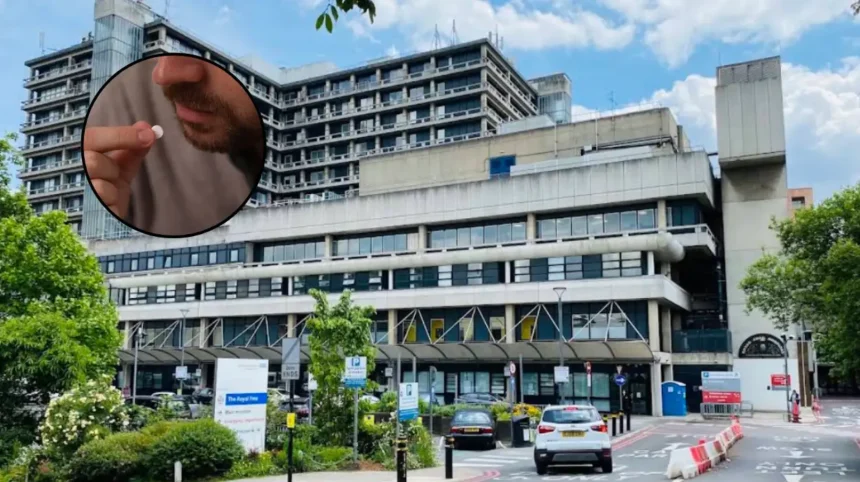
- Tung Tran, 41, died on 12 September 2025 at the Royal Free Hospital after hepatitis B reactivated following a stoppage in his antiviral medication.
- The medication, Entecavir, was reportedly “inadvertently discontinued” when his supply was switched to home delivery in early 2025.
- Assistant coroner Richard Brittain said there was confusion over which hospital department should have continued the prescription.
- The coroner raised concerns about a lack of clear national guidance on monitoring patients with past hepatitis B infections.
- He also warned that there is not enough specialised commissioning to keep discharged patients in contact with clinical services.
- The coroner sent a prevention of future deaths report to the British Association for the Study of the Liver and the UK Health Security Agency.
- The Royal Free said it apologised to Mr Tran’s family and has introduced measures to make sure patients still receive anti-viral medication after home delivery changes.
North London (North London News) July 24, 2026 – As reported in the coroner’s prevention of future deaths report, Tung Tran died from complications linked to the reactivation of hepatitis B after necessary treatment stopped. The medical cause of death was recorded as acute liver failure, sepsis, hepatitis B reactivation owing to cessation of medication, and immunosuppression linked to renal transplantation.
According to the report, Mr Tran had a kidney transplant in 2013 and was diagnosed with chronic hepatitis B during that process.
He was prescribed Entecavir to stop the virus from re-emerging, and the medication had been continued through renal transplant services after he disengaged from hepatology follow-up. The key issue arose in early 2025 when his medication supply changed to home delivery and the drug was “inadvertently discontinued”.
What confusion did the coroner identify?
Assistant coroner Richard Brittain said there was a presumption that hepatology would continue prescribing the drug, but that did not happen.
The report said Mr Tran appears to have understood the change as an intentional alteration to his medicine rather than a missed prescription. That meant the lapse was not corrected before his condition worsened.
The inquest found that Mr Tran attended his local hospital in August 2025 with signs of acute liver disease caused by hepatitis B reactivation.
He was then transferred to the Royal Free, but by that point he was too unwell to be considered for a liver transplant. He died on 12 September 2025.
Why is guidance being questioned?
The coroner’s report said there is a lack of clarity in national guidance over which hospital department is responsible for monitoring and prescribing drugs intended to prevent dormant infections from returning. That concern matters because the report noted a “large population” of patients diagnosed with hepatitis B through routine screening.
Mr Brittain said the system did not have enough specialised commissioning to ensure discharged patients stayed linked to clinical services.
The report was sent to the British Association for the Study of the Liver and the UK Health Security Agency. In its response dated 6 July, the BASL president said the association does not lead on developing or publishing clinical guidelines, but said chronic hepatitis B patients are usually managed by specialist hepatology services, which are responsible for monitoring and prescriptions. NHS England did not respond in time for publication, according to the reporting.
What has the Royal Free said?
A Royal Free spokesperson said the hospital was sorry and extended heartfelt condolences to Mr Tran’s family. The spokesperson also said the hospital had introduced measures to make sure patients whose anti-viral medication is switched to home delivery continue to receive it. That response followed the investigation into how the treatment gap occurred.
The wider context is that NHS bodies have been expanding hepatitis B testing and surveillance, but the February 2026 evaluation cited in reporting said there is still no national registry for the virus. That absence makes it harder to track illness patterns, monitor treatment and plan local healthcare.
Background to this development
Hepatitis B is a bloodborne virus that can remain dormant and later reactivate, particularly in people with weakened immune systems or those receiving immunosuppressive treatment.
In Mr Tran’s case, the risk was heightened by his kidney transplant history and the need for ongoing antiviral protection.
The UK’s screening and surveillance approach has been designed to find infections earlier and reduce harm, but this case highlights the problem of maintaining treatment continuity after patients move between services.
The coroner’s report suggests that even when screening identifies patients, the system can fail if responsibility for follow-up is unclear.
What could this mean for patients?
For patients with past hepatitis B infections, this case may prompt closer review of who owns long-term prescribing and how medication is handed over between departments.
If guidance is tightened, patients in transplant, hepatology and other specialist pathways could see clearer follow-up arrangements and fewer gaps in antiviral treatment.
For families and clinicians, the main impact may be procedural rather than dramatic: better tracking, clearer discharge planning and stronger checks when prescriptions change to home delivery. For the wider audience, the case underlines how a missed prescription can become a serious safety issue when a dormant infection is involved.