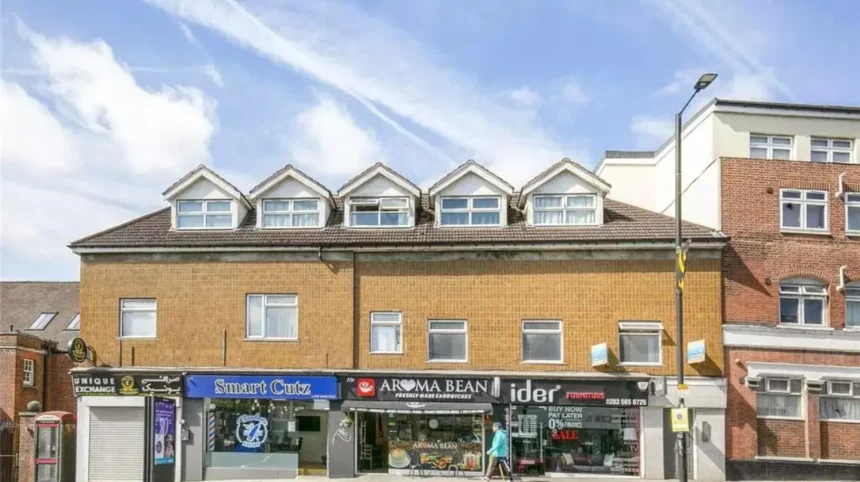
Barnet is one of London’s largest boroughs and has a highly distributed commercial landscape. Instead of relying on one dominant shopping district, the borough contains a network of town centres and local high streets. These include Chipping Barnet, also known as High Barnet, Edgware, North Finchley, Finchley Central, Golders Green and other neighbourhood centres.
- Why are independent businesses important to Barnet’s local character?
- Which independent businesses are found across Barnet?
- How does High Barnet preserve an independent business identity?
- What makes independent cafés important in Finchley?
- How do Golders Green’s independent businesses reflect its diverse community?
- Why are specialist food businesses important to Barnet?
- What role do independent florists play in Barnet?
- How do independent jewellers create long-term local relationships?
- Why do independent businesses matter in Wood Street and smaller centres?
- How does North Finchley combine independent commerce with culture?
- What makes Edgware’s independent businesses distinctive?
- How do independent businesses support Barnet’s local economy?
- How do independent businesses help preserve individual neighbourhood identities?
- How can visitors explore Barnet’s independent businesses responsibly?
- What is the future of Barnet’s independent business community?
- Why do independent businesses give Barnet its local character?
Independent businesses are central to this structure. Barnet Council states that the borough has more than 25,000 businesses, with the majority being micro-businesses. Its economic development information also records that 94% of businesses employ between one and nine people, demonstrating the importance of small enterprises to Barnet’s economy.
These businesses contribute more than retail choice. They create recognisable streets, support local employment, provide specialist services and maintain relationships with residents. A family-run butcher, independent café or specialist florist offers a different commercial function from a national chain because the business is directly connected to a particular neighbourhood.
Why are independent businesses important to Barnet’s local character?
Independent businesses give Barnet local character by creating distinctive retail streets, specialist services, personal customer relationships and community activity. Their concentration across neighbourhood centres makes each part of the borough commercially recognisable and supports Barnet’s wider network of high streets.
Barnet Council describes local businesses as being at the heart of its communities and promotes shopping locally through its Discover Barnet programme. The council specifically highlights independent owners across cafés, florists, jewellers, butchers and other businesses.
The scale of the small-business sector explains why these enterprises have such a visible effect. Barnet has more businesses than any other outer London borough, according to the council, while 94% are classified as micro-businesses employing between one and nine people. These businesses employ more than 130,000 people.
Local character develops through repeated interaction between businesses and their surrounding communities. Customers return to familiar shops. Business owners develop knowledge of local demand. Independent operators also respond to niche requirements that larger retailers do not always prioritise.
The result is a high street composed of different commercial identities rather than one uniform retail format.
This distinction is important for visitors. A tourist exploring Barnet is not simply visiting a shopping area. The independent businesses provide a way to understand how different parts of North London operate as everyday communities.
Which independent businesses are found across Barnet?
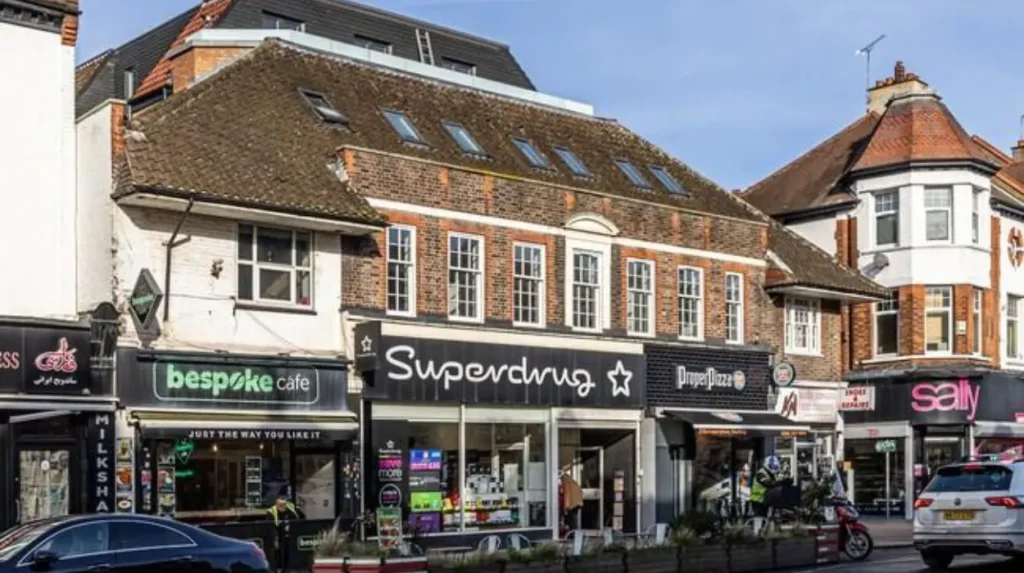
Barnet’s independent business landscape includes cafés, delis, butchers, florists, jewellers, specialist retailers, professional services and market traders. Examples include Monica’s Café, Manna Deli, The Flower Bank, Rockman Jewellers and Bifulco Butchers.
Barnet Council’s Discover Barnet initiative identifies several local business owners and uses their businesses to demonstrate the borough’s independent commercial identity. The named examples include Monica’s Café, Head Room Café, CaféGenic, Beyond Move, The Flower Bank, Aspens Florist, Rockman Jewellers and Bifulco Butchers.
These businesses represent different parts of the local economy.
Food businesses are particularly visible. Cafés and delis provide breakfast, lunch, coffee and informal meeting spaces. Specialist food retailers provide products and services based around particular culinary traditions or customer requirements.
Retail businesses provide another layer. Florists, jewellers and gift shops depend on specialist knowledge and personal service. Their products are linked to occasions such as birthdays, anniversaries, weddings and other milestones.
Service businesses add a further dimension. Independent professional and personal services keep money and employment within neighbourhood centres while addressing everyday requirements.
Barnet Council’s economic strategy identifies local supply chains as an important part of its approach to supporting the local economy. This creates a wider connection between small businesses, residents and other organisations operating within the borough.
How does High Barnet preserve an independent business identity?
High Barnet combines a historic market tradition with independent shops, cafés, restaurants and specialist retailers. Its town centre contains more than 38,310 square metres of retail space, while Barnet Market provides an established commercial presence dating from 1199.
Chipping Barnet, commonly called High Barnet, is one of the clearest examples of the relationship between history and independent commerce.
Barnet Council identifies Chipping Barnet as a historic town centre on the edge of London. The name “Chipping” refers to a market, and Barnet Market began in 1199. The market continues to operate today.
The town centre includes Barnet Market, the Spires Shopping Centre, Chipping Barnet Library and Barnet and Southgate College. The council also identifies many independent shops across more than 38,310 square metres of retail space, alongside restaurants, cafés and bars on the High Street.
The independent offer therefore sits within a much older commercial framework.
As you explore the modern shops and market, you are crossing land with a deep commercial heritage. Read about the full to understand its origins.
The significance of High Barnet is its combination of functions. The market attracts trading activity. Independent shops provide permanent retail services. Cafés and restaurants support social activity. Public facilities such as the library provide additional reasons to visit.
For leisure visitors, this creates an area that works as both a destination and an everyday neighbourhood centre.
What makes independent cafés important in Finchley?
Independent cafés in Finchley provide food, drink, informal meeting places and neighbourhood interaction. Finchley Central contains many independent shops and restaurants, while Monica’s Café is specifically identified by Barnet Council as an independent local café.
Finchley Central has a distinct combination of transport, culture, historic character and local commerce. Barnet Council identifies many independent shops and restaurants across more than 33,410 square metres of retail space.
Monica’s Café provides a specific example. Barnet Council identifies Onur as the owner of the independent café and highlights the business as part of its Discover Barnet local-high-street initiative.
Independent cafés have an important role because they combine commercial and social functions.
A café serves a direct retail purpose through food and drink. It also creates a place for customers to meet, work, take breaks and spend time in the local centre. This makes cafés particularly relevant to digital nomads and domestic business travellers looking for informal spaces during time in Barnet.
The surrounding environment also strengthens the café experience. Finchley Central is served by an Underground station and includes Stephens House and Garden, Victoria Park and the local library.
This means visitors can combine independent food and drink businesses with transport connections, green space and cultural attractions.
How do Golders Green’s independent businesses reflect its diverse community?
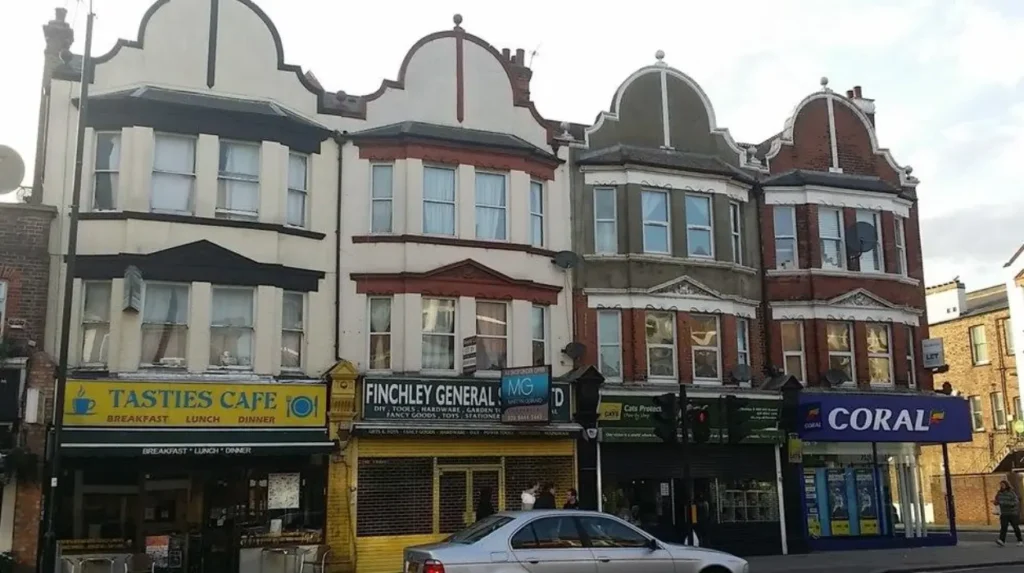
Golders Green’s independent businesses reflect the area’s cosmopolitan character through specialist shops, cafés, delis and food businesses. The town centre has more than 25,000 square metres of retail space and strong public transport connections.
Golders Green is one of Barnet’s most commercially distinctive centres. Barnet Council describes it as a vibrant and diverse North London area with a cosmopolitan community and strong connections to central London.
The town centre includes many independent shops across more than 25,000 square metres of retail space. It also has Golders Green Underground station, major bus connections, Golders Green Library and access to Golders Hill Park.
The food sector is particularly important to the area’s identity.
Barnet Council identifies Manna Deli as a local business operated by Avi and Ruth. The council states that the owners have spent 15 years creating fresh food and a welcoming space for the local community. It also identifies Head Room Café as a community-focused local business.
These examples demonstrate how independent businesses can express the character of a neighbourhood through food, service and community interaction.
For visitors, Golders Green offers a practical route to experience local commerce alongside green space and public transport. The area works well for short visits because businesses, transport and leisure facilities are concentrated around the town centre.
Why are specialist food businesses important to Barnet?
Specialist food businesses strengthen Barnet’s local identity by offering products, preparation methods and customer services linked to specific communities. Independent butchers, delis, cafés and food retailers create commercial diversity across neighbourhood high streets.
Food businesses occupy an important position in Barnet’s independent economy because they combine retail, hospitality and cultural identity.
Bifulco Butchers in Cricklewood is a useful example. Barnet Council records that Natalie and her husband have operated the butcher and poulterer for more than 30 years. The business also sells Italian products and has developed long-term customer relationships.
This type of business provides more than standard retail purchasing. A specialist butcher offers knowledge about cuts, preparation and customer requirements. A deli provides access to particular ingredients and prepared foods. A café provides prepared meals and a social environment.
The regulatory framework also matters. Food businesses operating in Barnet must register with Barnet Council when they store, prepare, distribute or sell food as a business. This applies to restaurants, cafés, hotels, shops, market stalls and mobile catering operations.
Barnet Council food inspectors routinely visit registered food premises to check compliance with food safety requirements. This provides the regulatory foundation for the borough’s cafés, delis, restaurants, food shops and market traders.
Independent food businesses therefore combine commercial identity with formal food-safety responsibilities.
What role do independent florists play in Barnet?
Independent florists contribute to Barnet’s character through specialist retail, local events, personal service and community activity. The Flower Bank in New Barnet adds a further environmental and social dimension through its zero-waste model.
The Flower Bank provides one of Barnet’s clearest examples of an independent business combining commercial activity with community and environmental objectives.
Barnet Council states that Ursula opened The Flower Bank in New Barnet in December 2019 after receiving support through Crowdfund Barnet. The business operates as a zero-waste flower shop and garden centre.
Its model focuses on repurposing flowers that have reached the end of their normal retail shelf life. The business also works with young offenders, organises flower-arranging workshops and delivers arrangements to care homes and elderly residents.
This demonstrates why independent businesses cannot be measured only by their shopfront.
The Flower Bank operates as a retailer, workshop venue and community enterprise. Its activities connect residents through volunteering, gardening and creative activities.
The business also illustrates how a small enterprise can develop a distinctive operating model. Instead of competing solely through conventional product retail, it combines waste reduction, community participation and specialist horticultural services.
For visitors interested in sustainable local businesses, New Barnet provides a useful example of how independent commerce can contribute to a neighbourhood’s identity.
How do independent jewellers create long-term local relationships?
Independent jewellers create local character through specialist knowledge, repairs, valuations, engraving, commissions and long-term customer relationships. Rockman Jewellers in Mill Hill demonstrates how a small specialist retailer can remain connected to families and local customers.
Rockman Jewellers provides a specialist retail example in Mill Hill. Barnet Council records that Gary established the business 16 years before the council’s profile and that it provides jewellery and watches alongside valuation, repair, engraving and commission services.
Specialist services create a different relationship between customer and retailer from routine purchasing.
Jewellery often involves significant personal occasions. Repairs and valuations require specialist knowledge. Engraving and commissions require direct communication about design and requirements.
The business therefore performs both a retail function and a professional service function.
This type of enterprise contributes to local character because customers have a reason to return beyond a single transaction. A repair service creates repeat visits. A family business can retain customer relationships across generations.
Mill Hill’s local identity is therefore supported by specialist businesses that provide services difficult to reproduce through a standardised online shopping experience.
Why do independent businesses matter in Wood Street and smaller centres?
Smaller centres such as Wood Street demonstrate how independent retailers, cafés, restaurants, pubs and professional services support everyday high-street activity. Their concentration helps maintain local convenience, social interaction and commercial diversity outside larger town centres.
Wood Street provides an example of a smaller local centre where independent businesses are an important part of the streetscape.
Barnet Council’s Wood Street Conservation Area appraisal states that the main retail character is based on small independent businesses, although national operators also have a presence. The appraisal identifies restaurants, cafés, bars and public houses as significant contributors to the area’s vitality and viability.
The centre also connects commercial activity with public open spaces. Ravenscroft Park and Courthouse Recreation Gardens serve local residents, workers and students.
This combination illustrates an important feature of Barnet’s local character.
Independent businesses do not operate separately from public space. Shops, cafés and services support footfall. Parks and public facilities provide reasons for people to spend time in the area. The combination creates a functioning neighbourhood centre.
For visitors, smaller centres provide a different experience from major shopping destinations. They reveal ordinary patterns of local life and provide access to businesses that serve residents directly.
How does North Finchley combine independent commerce with culture?
North Finchley combines independent shops with cafés, restaurants, pubs and cultural facilities. Its town centre contains more than 39,000 square metres of retail space, while artsdepot provides a major cultural destination within the local commercial environment.
North Finchley is another significant component of Barnet’s independent business network.
Barnet Council identifies many independent shops across more than 39,000 square metres of retail space. The town centre also contains restaurants, cafés and pubs, alongside North Finchley Library and artsdepot.
Artsdepot is a multidisciplinary arts centre that provides opportunities for people to connect, create and participate in cultural activities. Its presence adds a cultural function to the town centre.
This combination strengthens North Finchley as a destination for leisure visitors.
A visitor can combine shopping, food and cultural activity without treating each function as a separate destination. Independent businesses provide the everyday commercial layer, while cultural facilities increase reasons to visit.
The result is a mixed town-centre environment rather than a purely retail-focused destination.
What makes Edgware’s independent businesses distinctive?
Edgware combines independent shops, restaurants, cafés, bars and local services within a major transport-connected town centre. Its more than 43,930 square metres of retail space provide a substantial commercial setting for independent businesses and local activity.
Edgware has one of Barnet’s largest town-centre retail environments. Barnet Council identifies many independent shops across more than 43,930 square metres of retail space. Restaurants, cafés, bars and local services are also concentrated along the High Street.
Transport is another important factor. Edgware is a major transport hub, with capacity for around 170 buses and a Northern Line Underground connection towards central London.
This accessibility supports commercial activity by connecting the town centre with surrounding neighbourhoods and London more broadly.
For leisure visitors, Edgware provides a useful example of how independent businesses operate within a larger urban centre. The local offer is not isolated from wider London commerce. Instead, it operates alongside major transport infrastructure and a broad retail environment.
Independent businesses help maintain a local layer within this larger system.
How do independent businesses support Barnet’s local economy?
Independent businesses support Barnet’s economy through employment, local spending, specialist services, entrepreneurship and supply chains. With 94% of businesses classified as micro-businesses, small enterprises form a central part of the borough’s economic structure.
Barnet’s economic data demonstrates the scale of this contribution. The council states that 94% of businesses are micro-businesses employing one to nine people. These businesses employ more than 130,000 people.
The borough’s Social Investment Impact Report for 2023–24 recorded 25,000 registered businesses employing 166,000 people. It also stated that 94% of businesses had fewer than nine employees.
These figures demonstrate that small businesses are not marginal participants in Barnet’s economy.
They are part of its core employment structure.
Small enterprises also support entrepreneurship. Barnet Council works with Wenta through a start-up programme that offers free advice, mentoring, workshops and resources for residents and small independent businesses based in the borough.
The programme supports businesses from pre-start and early-stage development through to growth.
This support matters because the future of independent high streets depends on the creation and survival of new enterprises as well as established businesses.
How do independent businesses help preserve individual neighbourhood identities?
Independent businesses preserve neighbourhood identity by responding to local demand, maintaining distinctive shopfronts, providing specialist services and creating repeated customer relationships. Their distribution across Barnet prevents the borough’s high streets from becoming commercially identical.
Barnet contains numerous town centres rather than one single commercial core. Council planning documents describe the town-centre hierarchy as a distinctive feature of the borough economy and emphasise the importance of unique identities.
This structure allows local businesses to develop around different communities.
High Barnet has a historic market identity. Finchley combines independent commerce with cultural and green-space assets. Golders Green has a strong cosmopolitan food and retail environment. North Finchley combines independent commerce with arts and leisure. Edgware functions as a major transport-connected town centre. Smaller centres such as Wood Street provide local services and everyday shopping.
The businesses operating in these areas reinforce those differences.
A specialist food retailer contributes differently from a florist. A café contributes differently from a jeweller. A market trader contributes differently from a professional service provider.
Together, these categories create a layered local economy.
How can visitors explore Barnet’s independent businesses responsibly?
Visitors can support Barnet’s independent businesses by spending directly with local operators, exploring several neighbourhood centres, using cafés and specialist shops, visiting markets and checking current opening information before travelling.
Exploring independently is straightforward because Barnet’s commercial activity is distributed across several connected centres.
A visitor interested in historic commerce can focus on High Barnet and its market. A visitor seeking cafés and food businesses can explore Finchley Central or Golders Green. A visitor interested in specialist retail can explore Mill Hill, New Barnet or smaller neighbourhood high streets.
Local spending has a direct economic purpose. Barnet Council encourages residents and visitors to shop, eat and spend locally through its Discover Barnet initiative.
Visitors should also check individual opening times before travelling because independent businesses operate according to their own schedules.
Food businesses have additional regulatory requirements. Barnet Council requires relevant food businesses to register with the authority, while food inspectors routinely check registered premises.
Responsible local tourism therefore combines spending with respect for businesses, neighbourhoods and public spaces.
Explore More Area Guide
How to Explore Barnet on a Budget: Free Attractions
Best Libraries and Study Spaces in Barnet, North London 2026
What is the future of Barnet’s independent business community?
Barnet’s independent business future depends on resilient high streets, entrepreneurial support, flexible workspace, local supply chains and successful town-centre regeneration. The borough’s Economic Development Framework 2025–2030 places local enterprise and town-centre vitality within its long-term growth strategy.
Barnet Council launched its Economic Development Framework 2025–2030 and Placemaking Framework in November 2025. The plans aim to support local businesses, attract investment, improve town centres and create employment and training opportunities.
The council has identified several challenges affecting businesses, including access to talent, demand for flexible workspace and limited grow-on space for successful businesses that want to remain within Barnet.
Town centres also face wider structural changes.
Online shopping has changed consumer behaviour. National retail consolidation has affected high-street formats. Vacant units and changing shopping patterns influence the viability of local centres. Barnet’s planning framework recognises these pressures and identifies distinctive town-centre identities as part of the response.
The future therefore depends on diversification.
A successful independent business environment includes retail, hospitality, professional services, cultural activity, workspace and community uses. This wider mix creates reasons to visit town centres for purposes beyond shopping.
Barnet’s independent businesses are particularly important within this model because micro-businesses already form the majority of the borough’s business base.
Why do independent businesses give Barnet its local character?
Independent businesses give Barnet its local character because they combine specialist products, personal services, community relationships and neighbourhood identity. From High Barnet’s market to Golders Green’s delis, they make each commercial centre recognisably different.
Barnet’s local character is not created by one business or one high street. It is created through the cumulative presence of thousands of small enterprises operating across a large and diverse borough.
The evidence is clear. Barnet has more than 25,000 businesses, 94% of which are micro-businesses. Its town centres contain substantial independent retail space, while the council actively promotes local businesses through Discover Barnet.
Individual businesses demonstrate the practical meaning of this economic structure.
The Flower Bank connects retail with zero-waste activity and community workshops. Bifulco Butchers combines specialist food retail with more than three decades of local trading. Rockman Jewellers provides jewellery, repairs, valuations and commissions. Monica’s Café represents the independent café sector in Finchley Central. Manna Deli and Head Room Café contribute to Golders Green’s food and community environment.
These businesses show why local character is fundamentally connected to local enterprise.
For tourists and leisure travellers, Barnet’s independent businesses provide a practical way to experience the borough beyond major attractions. For residents, they provide everyday services and social spaces. For digital nomads and business travellers, cafés and mixed town centres provide places to work, eat and spend downtime.
The strongest way to understand Barnet’s local character is therefore to explore its high streets at neighbourhood level.
Each centre has its own combination of shops, cafés, food businesses, services, markets, cultural facilities and public spaces. Together, they create the distinctive commercial geography that makes Barnet one of North London’s most varied local business environments.
What types of independent businesses can you find in Barnet?
Barnet has independent cafés, delis, butchers, florists, jewellers, restaurants, specialist retailers, market traders and professional service businesses. Examples include Monica’s Café, The Flower Bank, Bifulco Butchers and Rockman Jewellers.