Key Points
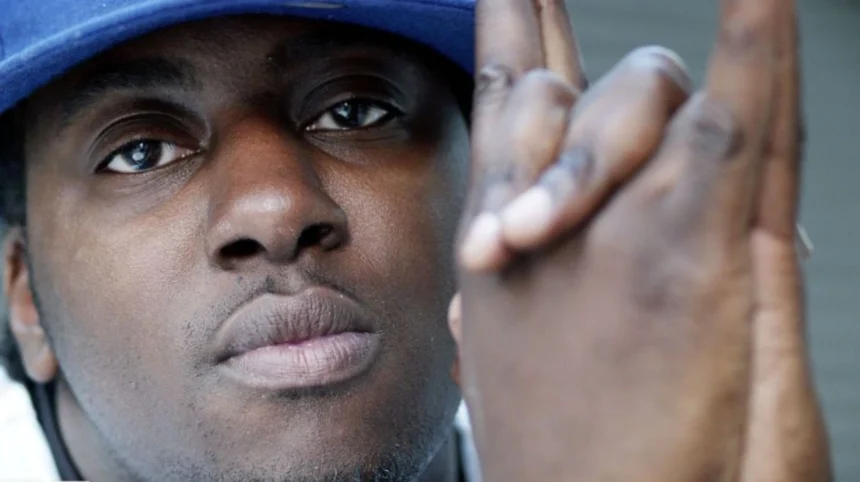
- Passing of a UK Hip-Hop Pioneer: British-Ghanaian rapper and producer Sway DaSafo (born Derek Andrew Safo) has died at the age of 44 at his home in Ghana.
- Historic Industry Milestones: Sway became the first unsigned artist in history to win the Best Hip-Hop Act at the MOBO Awards in 2005, beating international superstars 50 Cent and The Game before even releasing a full debut album.
- Acclaimed Catalogue & Collaborations: Following his critically praised 2006 debut album This Is My Demo, he signed to Akon’s Konvict Music, aligning with major international acts including Lady Gaga and T-Pain.
- Multi-Hyphenate Career: Beyond his musical discography, Sway ventured into acting, appearing as Ross Rosten in early episodes of the acclaimed television crime drama Top Boy.
- Emotional Tributes: Influencers, artists, and actors—led by YouTube personality and rapper KSI, who described Sway as “like a father figure”—have publicly shared tributes celebrating his legacy as a mentor and pioneer.
- Family & Health Background: Survived by two sons and two daughters, Sway had previously fought and overcome Hodgkin lymphoma after a 2010 diagnosis, though an official cause of death has not been released.
North London (North London News) September 18, 2026 – Acclaimed north London rap artist, music executive, and actor Sway DaSafo, whose real name was Derek Andrew Safo, has died at the age of 44. News of his passing was publicly announced on September 17, 2026, by the MOBO Awards organisation and confirmed to news outlets by his long-time friend Kash Ahmad. The musician reportedly passed away at his residence in Ghana, though an official cause of death has not yet been disclosed. Sway’s unexpected death has prompted an outpouring of tributes from across the international music and television industries, with prominent figures remembering him as an foundational architect of British hip-hop who consistently opened doors for the next generation of creatives.
What details were released regarding the passing of Derek Safo?
As reported by Kash Ahmad to the BBC, the pioneering British-Ghanaian artist died at his home in Ghana. As documented by The Guardian and confirmed via official social media channels by the Music of Black Origin (MOBO) Awards, the news broke on Thursday, September 17, 2026, shortly after the rapper celebrated his 44th birthday earlier in the month. While representative statements confirmed the venue and time frame of his death, no underlying medical cause or official statement from health officials has been made public.
As detailed by Complex staff reporter Joe Price, the initial news circulated through a statement released by car customisation firm Kream Developments, whose management maintained close contact with the star. Representatives for Kream Developments stated on Instagram:
“Devastated to hear the sad news today, the passing of a personal friend, a true legend and pioneer in the UK rap game. We’ve been staying in touch recently sharing our struggles with health issues and keeping each other’s spirits up, especially as fathers and staying strong for our kids”.
Sway’s medical history includes a high-profile battle with cancer over a decade ago. As documented in his own historical accounts, the rapper was diagnosed with Hodgkin lymphoma in 2010 after finding a lump on his neck. After undergoing a biopsy and subsequent intensive medical treatments, he went into full remission later that year.
How have KSI and the wider creative community paid tribute to Sway?
As reported by music writer Jaelani Turner-Williams of Complex, global online personality, boxer, and recording artist KSI (Olajide Olayinka Williams Olatunji) posted an emotional tribute to his former mentor, calling him a central figure in his personal and professional development. Sharing a photograph of the two together, KSI stated:
“Ah man, this is a lot. Sway, Derek, thank you for everything you’ve done for me. You believed in me when many didn’t. You gave me a chance when many didn’t”.
KSI continued:
“Musically people laughed me off as a joke but you saw my potential and helped me grow as an artist. 44 is too young to leave. You still had so much to do. You were like a father figure to me. Whenever I had problems or issues, I would go to your studio in London for advice and you always knew what to say. This one hurts a lot”.
As reported by EDP24 reporter Eleanor Pringle, tributes emerged from across music, television, and film:
- MOBO Awards Statement: In an official tribute, the organisation stated: “Our love and deepest condolences go out to his family, loved ones, friends and everyone who grew up with and was inspired by his music”.
- Wretch 32 (Rap Artist): Writing on Instagram, the north London rapper stated: “We lost a real north London rap pioneer. RIP Sway you’ll be missed by so many thank you for everything brother”.
- Kadeem Ramsay (Top Boy Actor): Sway’s former co-star shared a concise tribute, writing: “Rest Up Legend”.
- Lemar (R&B Singer): Expressing grief, Lemar posted: “Your talent knew no bounds. Blessed to have shared the stage with you. Wish we’d have been able to have one more sit down. One more life discussion. But hey… we will one day”.
- Adam Deacon (Kidulthood Actor): Deacon wrote: “We never did get to have that linkup. But I know he’s looking down, giving me guidance in his own way”.
Background of Sway’s Career and Impact on British Music
Born Derek Andrew Safo in Hornsey, North London, to Ghanaian parents, Sway’s entry into music began during his teenage years. He began producing tracks in his bedroom, learning the mechanics of beats and lyricism while navigating the early 2000s UK pirate radio movement. He consistently credited BBC Radio 1Xtra with giving him his first major broadcast platform in 2002.
Sway emerged during the initial rise of UK grime and rap alongside contemporaries such as Dizzee Rascal, Wiley, and Lethal Bizzle. However, he distinguished himself through a literate, witty, and conceptually intricate lyrical style that mixed UK hip-hop, grime, and drum & bass.
In 2005, Sway made history by becoming the first unsigned, independent artist to win the Best Hip-Hop Act at the MOBO Awards. He claimed the prize before even releasing a full-length studio album, famously beating heavily backed American stars including 50 Cent and The Game. The landmark victory served as a validation point for the independent UK rap scene.
Following his MOBO win, Sway released his debut studio album, This Is My Demo, in 2006 on his own independent label, DCYPHA Productions. The project earned widespread critical praise and was shortlisted for the Mercury Music Prize. His success caught the attention of American megastar Akon, who signed Sway to his Konvict Music imprint. This deal placed Sway alongside international acts such as Lady Gaga and T-Pain, leading to global collaborations and high-profile releases.
Sway’s single releases included hits such as Little Derek, Still Speedin’, and his 2012 UK Top 10 track Level Up. Beyond recording, Sway expanded into television, appearing as Ross Rosten in the television crime series Top Boy. Over his career, he won accolades at the Urban Music Awards, Ghana Music Awards, Blackstars Awards, and BET Hip Hop Awards. He remained an active executive, guiding young British artists, and in June 2024 publicly described himself on social media as a “proud single father” to his four children.
Prediction: How Will Sway’s Passing Affect the UK Music Industry and Independent Artists?
The death of Sway DaSafo is expected to influence the UK independent music ecosystem, particularly regarding artist development, independent distribution, and legacy preservation.
For independent British artists and young musicians, Sway’s career trajectory remains a fundamental template. By achieving mainstream success, winning a MOBO award without a major label backing, and retaining ownership through DCYPHA Productions, he proved that independent UK urban acts could compete globally. In the wake of his passing, industry commentators predict a renewed focus on independent label models, with grassroots initiatives citing his legacy to push for greater executive independence and fair representation for UK artists.
Additionally, Sway’s mentorship role—demonstrated by his work with high-profile figures like KSI—highlights a gap left in informal artist-led executive development. His legacy is likely to prompt formalised mentorship programs across London studios aimed at supporting emerging talent from underrepresented backgrounds, ensuring the foundational ethos he championed continues to guide future generations.