Key Points
- Commercial Listing: Haringey Council has listed a recently restored pavilion building in Tower Gardens Park for commercial rent at £45,000 per year.
- Community Restoration: Local campaign group Tower Gardens Community Corner had transformed the once-empty building, carrying out repairs and scheduling events into 2027 under a short-term lease.
- Break Clause Triggered: Despite securing a year-long lease in August, the group’s tenure was cut short after just one month due to a break clause in their agreement.
- Privatisation Concerns: Campaigners fear that advertising outdoor space and parking alongside the unit could lead to the public park being carved up for private commercial use.
- Broader Context: The dispute occurs while separate proposals for a dedicated community centre elsewhere on the Tower Gardens estate remain under review.
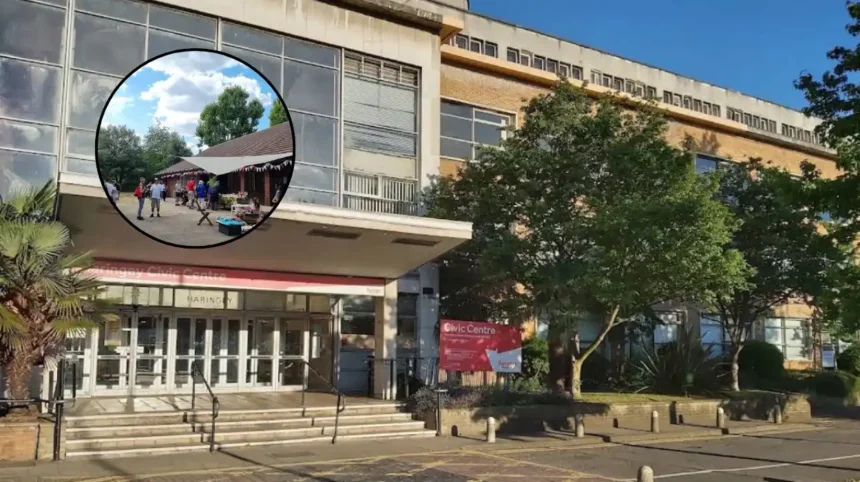
Tottenham (North London News) October 3, 2026 – Tottenham residents are calling on Haringey Council to safeguard a cherished public green space after a newly revived park pavilion was unexpectedly put up for commercial rent. The previously vacant building, situated within Tower Gardens Park, had been restored through the dedicated efforts of local campaigners whilst proposals for a permanent community centre on the nearby estate are being evaluated. However, just weeks after reopening the venue to the public, the local authority listed the property on the commercial market for £45,000 annually.
As reported by Ruby Gregory of MyLondon, the campaign group Tower Gardens Community Corner was granted a year-long lease by Haringey Council in August. Following the agreement, volunteers immediately began undertaking essential repairs, launching local activities, and organising a schedule of public events intended to run well into 2027. Despite these long-term plans, the council initiated commercial marketing after barely a month, capitalising on a short-term break clause embedded within the temporary lease agreement.
The commercial advertisement has raised immediate alarm among local residents. The initial property listing highlighted “ample” outdoor space and parking facilities—amenities that locals contend belong entirely to the public park rather than the building itself.
Why are Tower Gardens residents opposing the commercial lease?
As reported by Ruby Gregory of MyLondon, Kate Swade, the chair of Tower Gardens Community Corner, explained that whilst the group was aware of the lease terms, the speed of the council’s action was unexpected. Swade stated that
“We signed knowing there was a one-month break clause, and the council would market it, but we did think it would take them longer than it has.”
Community advocates emphasise that establishing a functioning neighbourhood hub requires time and consistent local involvement. As reported by Ruby Gregory of MyLondon, Swade added that
“We’ve always said to the officers that this kind of community effort is a slow burn, and it’s been really lovely to see people getting to know their neighbours. There’s no other common space like it on the estate.”
The primary concern for campaigners centres on the physical impact a commercial tenancy could have on the surrounding park land. As reported by Ruby Gregory of MyLondon, Swade expressed deep concern regarding the marketing details used for the listing, stating that
“To advertise the building as having an outdoor area and parking is simply not true because it’s in a park, and cars would need to use the surrounding streets. If parts were allowed to be blocked off, I think that would essentially be the end of the park. That feels like a really slippery slope that we can’t go down.”
Residents maintain that permitting commercial operators to claim or restrict access to green space sets a concerning precedent for public amenities across the borough.
Background of the particular development
The dispute over the Tower Gardens Park pavilion highlights ongoing tensions between local authority asset management strategies and community-led urban regeneration efforts. Tower Gardens, a historic garden suburb estate in Tottenham, has long lacked dedicated indoor communal gathering spaces for its residents.
To address this deficit, community members formed Tower Gardens Community Corner to transform the park’s long-neglected pavilion building into an accessible neighbourhood hub. The group’s work involved physical restoration of the structure alongside programming designed to foster local social cohesion.
Haringey Council initially supported this temporary activation by issuing a one-year lease in August. However, like many municipal authorities navigating stringent budgetary constraints, the council incorporated a standard one-month break clause to retain the flexibility to market the site for commercial revenue. The decision to trigger this marketing phase so quickly reflects the financial pressures facing local councils seeking to maximize income from public assets, often placing commercial valuation in direct competition with non-profit community utility.
Prediction: How this development can affect Tottenham residents and local community groups
If Haringey Council proceeds with securing a private commercial tenant for £45,000 per year, the immediate impact on Tottenham residents will be the loss of their only dedicated, community-run indoor space on the Tower Gardens estate. The scheduled activities, workshops, and community events planned through 2027 by Tower Gardens Community Corner will be forced to cease or relocate, reducing local social engagement opportunities.
Furthermore, if a commercial lease includes exclusive access rights to surrounding outdoor areas or parking spaces, park visitors will experience a physical reduction in public green space. This outcome could restrict public access to parts of Tower Gardens Park and increase street parking congestion in the surrounding residential avenues.
For broader community groups across the borough, this development creates a troubling precedent. Local volunteer organisations may become hesitant to invest time, labor, and fundraising capital into restoring vacant council-owned properties if short-term break clauses are used to transition community-improved spaces onto the commercial market. Conversely, if public pressure leads the council to pause commercial listing and offer an extended lease to the community group, it could establish a model for community asset transfers within Haringey.