Key Points:
- Operation Reckoning: A joint multi-agency enforcement operation between Enfield Council’s Trading Standards team and the Metropolitan Police targeted illegal electronics sales and phone theft.
- Seizure Value: Counterfeit electronic goods valued at an estimated street value of around £2,000 were seized from local businesses.
- Targeted Retailers: Officers conducted targeted inspections across 15 second-hand mobile phone retail premises in Edmonton over a three-day period from September 15 to September 17.
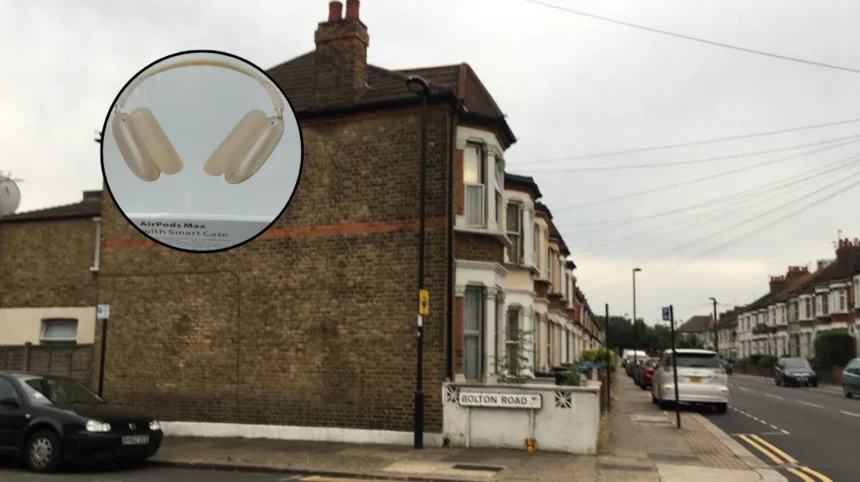
- Items Confiscated: The seized goods included fake Apple AirPods, counterfeit Apple Pencils, unofficial USB charging cables, phone cases, and counterfeit Sony PlayStation 4 controllers.
- Safety Risks Highlighted: Trading standards officers warned that non-compliant fake electronics, particularly chargers, lack mandatory UK safety marks and pose hazards including electrical shock, overheating, and fire.
- Wholesaler Investigation: An official investigation has now been launched by Trading Standards to track down and target the wholesale supply chain feeding these illicit items to local retailers.
- Multi-Agency Support: The operation was supported by a technical representative from Apple alongside dedicated officers from the Upper Edmonton and Edmonton Green Town Centre Safer Neighbourhood Teams.
Edmonton (North London News) October 13, 2026 – As reported by Robyn Bennett of the Enfield Independent, counterfeit electronic products with an estimated street value of around £2,000 have been confiscated during a targeted law enforcement crackdown against illegal electronics sales in North London. The enforcement activity formed part of Operation Reckoning, a joint initiative conducted by Enfield Council’s Trading Standards division alongside officers from the Metropolitan Police Service. The coordinated action specifically targeted second-hand mobile phone retailers situated across the Edmonton district over a three-day operational period spanning from September 15 to September 17.
- Key Points:
- What Products Were Confiscated During Operation Reckoning?
- What Did Authorities Say About the Consumer Safety Risks?
- What Legal Obligations Were Issued to Shop Owners?
- Background of the Edmonton Trading Standards Enforcement
- Predictions: How Will This Development Affect Local Businesses and Consumers?
What Products Were Confiscated During Operation Reckoning?
During the course of the multi-agency inspections, officers visited 15 separate retail establishments in Edmonton. As documented by Robyn Bennett of the Enfield Independent, the raids resulted in the discovery and seizure of a wide assortment of counterfeit technical hardware and accessories. Among the confiscated merchandise were counterfeit Apple AirPods, fake Apple Pencils, non-genuine USB connectivity cables, protective phone cases, and fake Sony PlayStation 4 (PS4) controllers.
As reported by news outlets covering local governance, including the Enfield Dispatch, the enforcement push was initially initiated in response to mounting community concerns regarding mobile phone theft, particularly surrounding Enfield Town. The primary objectives of Operation Reckoning were to identify potentially stolen mobile devices, disrupt illicit retail networks, and dismantle the supply chains facilitating the distribution of fake consumer electronics.
What Did Authorities Say About the Consumer Safety Risks?
Local officials have stressed that the distribution of illegitimate tech products extends beyond intellectual property infringement, presenting genuine health and safety hazards to the general public. As reported by Robyn Bennett of the Enfield Independent, Cllr Elisa Morreale, Enfield Council’s cabinet member for licensing, stated:
“The sale of counterfeit electronic products is of huge concern due to the potential to harm residents. They often don’t carry a safety mark and haven’t been properly tested to UK standards.
“Initiatives such as Operation Reckoning demonstrate our continued commitment to working in partnership to tackling criminality, protecting residents and consumers from counterfeit and potentially unsafe products, and supporting legitimate thriving businesses.”
Trading standards officers issued explicit warnings to shopkeepers regarding the hazards associated with uncertified electrical items. Unregulated electronic components—most notably counterfeit chargers—frequently lack essential circuit protection, creating severe risks of overheating, electrical shock, and domestic fires. Furthermore, enforcement teams reminded business proprietors of the documented links connecting the trade in counterfeit merchandise to wider networks of organised criminal activity, emphasizing that intellectual property crime is not a victimless offense.
What Legal Obligations Were Issued to Shop Owners?
During the three days of inspections, Trading Standards officers advised local business managers on their formal statutory duties under the Trade Marks Act 1994. Retailers were reminded of their legal burden to ensure all stocked goods are genuine and acquired exclusively through verifiable, legal commercial channels.
Inspectors uncovered notable record-keeping failures among several visited retailers. In multiple instances, store owners were unable to present standard commercial invoices or formal audit documentation for their inventory, offering officers nothing more than a basic contact name and phone number for their wholesale suppliers. Following these findings, Trading Standards officers have formally launched a broader investigation directed at the wholesale distributors responsible for delivering counterfeit stock into the borough.
The multi-agency deployment was assisted on site by an official brand protection representative from Apple, alongside dedicated police personnel from both the Upper Edmonton and Edmonton Green Town Centre Safer Neighbourhood Teams.
Background of the Edmonton Trading Standards Enforcement
The execution of Operation Reckoning comes against a backdrop of heightened focus on town-centre crime and consumer safety across the London Borough of Enfield. In recent years, local councils and the Metropolitan Police Service have increasingly utilized multi-agency operations to address street-level thefts—such as phone snatching—and the secondary economy that enables stolen or illicit goods to be resold to unsuspecting consumers.
Trading standards authorities in the United Kingdom operate under strict statutory frameworks, including the Trade Marks Act 1994, to protect both consumer safety and brand rights. Counterfeit electronics pose unique challenges compared to non-tech counterfeit goods because unvetted internal circuitry, non-compliant lithium-ion batteries, and uncertified wiring bypass strict British Safety Standard testing. Consequently, municipal licensing departments routinely coordinate joint raids with brand representatives and local policing teams to disrupt street-level vendors and collect intelligence on larger regional distribution hubs.
Predictions: How Will This Development Affect Local Businesses and Consumers?
This enforcement action is likely to have immediate and long-term implications for local retailers, consumers, and illicit supply networks across Enfield and surrounding North London boroughs:
- For Local Consumers: Residents can expect increased safety protections when purchasing second-hand or discounted electronic accessories in Edmonton. However, heightened scrutiny may also prompt consumers to demand clearer proof of authenticity and warranty guarantees before purchasing items from independent second-hand retailers.
- For Independent Retailers: Second-hand mobile phone outlets will face stricter compliance requirements. Businesses that previously relied on informal procurement practices will need to overhaul their supply chains and retain legitimate wholesale invoices to avoid heavy fines, stock forfeitures, or legal prosecution under trademark laws.
- For Wholesalers and Illicit Supply Networks: The escalation of Trading Standards’ investigation into wholesale distributors signifies a shift from targeting retail shopfronts to dismantling regional distribution nodes. This increased regulatory pressure could temporarily disrupt the flow of unvetted electronic components entering the local market.