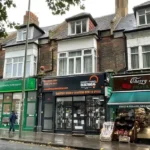
Barnet offers a varied shopping experience in North London, from independent high-street retailers and traditional market stalls to international food shops, fashion outlets and large shopping centres. The borough’s retail network serves tourists, local residents and visitors looking for everyday essentials, specialist products and places to eat.
- What Types of Shops Can You Find in Barnet?
- Which shops can you find at Brent Cross Shopping Centre?
- What types of shops are available on Chipping Barnet High Street?
- What can you buy at Barnet Market?
- What food shops can you find in Golders Green?
- Where can you find independent shops in Finchley?
- What everyday shops are available in Edgware?
- Where can you find homeware, gifts and lifestyle shops in Barnet?
- What health, beauty and personal-service shops can you find in Barnet?
- Which other Barnet neighbourhoods have local shops?
- How does Barnet’s shopping history influence its retail offer today?
- How can tourists plan a shopping trip around Barnet?
- Why does Barnet have different types of shopping areas?
- What should visitors know before shopping in Barnet?
According to Barnet Council, the borough has 30 town centres, including seven main town centres, eight district town centres and 15 local and neighbourhood town centres. These locations have different retail characters, ranging from established shopping destinations to smaller parades serving nearby communities.
Visitors looking for a broad retail selection can explore Brent Cross Shopping Centre, while those interested in traditional markets and independent traders can head to Chipping Barnet and The Spires. Other areas, including Golders Green, Edgware, Finchley and Whetstone, provide additional options for food shopping, personal services and everyday purchases.
What Types of Shops Can You Find in Barnet?
Barnet has clothing shops, supermarkets, independent retailers, market stalls, electronics outlets, beauty stores, bookshops and specialist food businesses. Visitors can also find homeware retailers, pharmacies, gift shops and service-based businesses. The exact mix depends on the town centre, with Brent Cross offering large-scale retail and local high streets supporting everyday shopping.
The borough’s retail offer reflects its size and varied neighbourhoods. Larger centres attract shoppers seeking national brands and multiple product categories, while smaller shopping streets provide convenient access to groceries, cafés, household goods and personal services.
Shopping in Barnet generally falls into several categories:
- Fashion and footwear: clothing, trainers, formalwear and accessories.
- Food and groceries: supermarkets, convenience stores, bakeries, greengrocers and specialist food shops.
- Markets and independent retail: fresh produce, artisan foods, flowers and locally operated businesses.
- Home and lifestyle: household goods, furnishings, gifts and decorative products.
- Health and beauty: pharmacies, cosmetics, hairdressers and beauty services.
- Books, technology and entertainment: bookshops, mobile phone retailers and consumer electronics outlets.
These categories overlap across the borough. However, the number and variety of shops differ between major shopping destinations, traditional high streets and neighbourhood centres.
For tourists, this means Barnet does not have one single shopping district that represents the entire borough. Choosing the right area depends on whether the priority is branded fashion, everyday essentials, specialist groceries or independent shopping.
Which shops can you find at Brent Cross Shopping Centre?
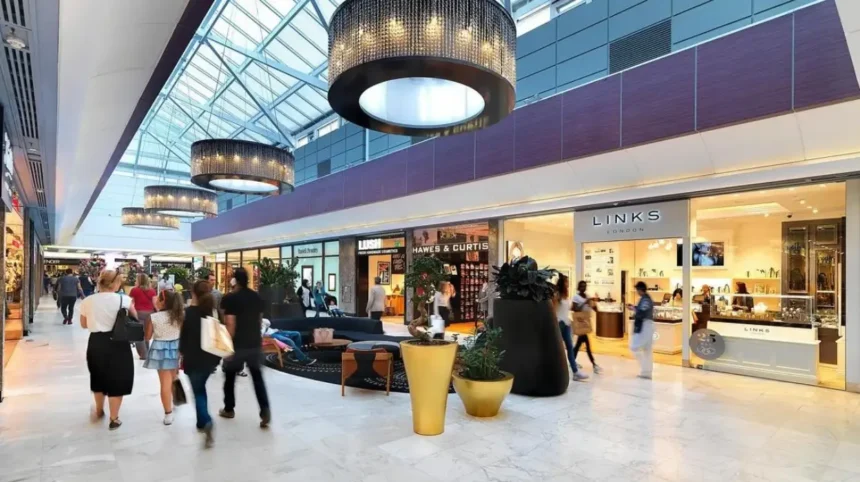
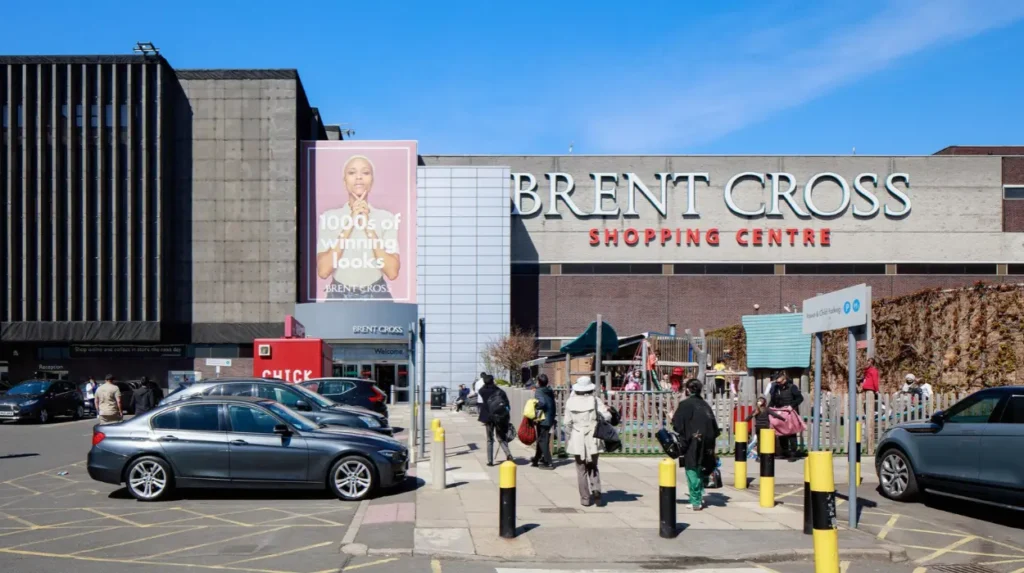
Brent Cross Shopping Centre is Barnet’s major destination for fashion, footwear, beauty products, technology, books and homeware. Its retail mix includes well-known national brands, department stores, specialist retailers and food outlets, making it suitable for visitors who want to compare products in one location.
Located on Prince Charles Drive in NW4, Brent Cross is an established shopping destination in North London. Visit London lists more than 120 shops at the centre, covering a broad range of retail categories.
Fashion shoppers can find clothing and footwear retailers, while department stores offer several product categories under one roof. Technology retailers, bookshops and beauty businesses add further choice for visitors with specific shopping lists.
The main categories include:
- Clothing and fashion: everyday outfits, contemporary styles and occasionwear.
- Footwear and accessories: trainers, shoes, bags and fashion accessories.
- Beauty and personal care: cosmetics, skincare and fragrance products.
- Technology: consumer electronics, mobile-related products and accessories.
- Books and gifts: reading materials, presents and lifestyle products.
- Homeware: household products, furnishings and decorative items.
Brent Cross also has cafés, restaurants and other food outlets. These give shoppers opportunities to take breaks between stores without leaving the shopping centre.
The centre suits visitors who want a concentrated shopping trip rather than walking between separate high-street businesses. However, individual brands, stock availability and opening hours change, so check the official shopping centre directory before travelling for a particular product.
What types of shops are available on Chipping Barnet High Street?
Chipping Barnet combines independent high-street shops, traditional market trading, convenience retailers and businesses serving everyday needs. Its shopping offer centres on High Street, Barnet Market and The Spires Shopping Centre, creating a destination for local shopping, fresh food and leisure visits.
Chipping Barnet, also called High Barnet, is a historic town centre on the northern edge of London. Barnet Council identifies independent shops across more than 38,310 square metres of retail space, alongside restaurants, cafés and bars.
The High Street supports a mixture of independent retailers and service businesses. Visitors can combine shopping with food stops and visits to nearby local attractions.
The Spires adds another retail destination within the town centre. Its shops and services complement the surrounding high street, while the wider area remains accessible for visitors exploring Barnet on foot.
Shopping categories in Chipping Barnet include clothing and everyday retail, food businesses, gifts, flowers and personal services. The exact selection varies by business and trading day.
The historic character of the area also adds context to a shopping trip. The Wood Street Conservation Area, designated in 1969 and extended in 1979, includes historic shops around Barnet Hill and St John the Baptist Church.
As you explore the modern high street, you are crossing an area shaped by centuries of commerce. Read the full [Insert Anchor Text for Chipping Barnet History Article Here] to understand how its historic market and streets developed.
This combination of heritage and modern retail makes Chipping Barnet a useful choice for visitors who prefer a traditional town-centre experience to a large enclosed shopping centre.
What can you buy at Barnet Market?
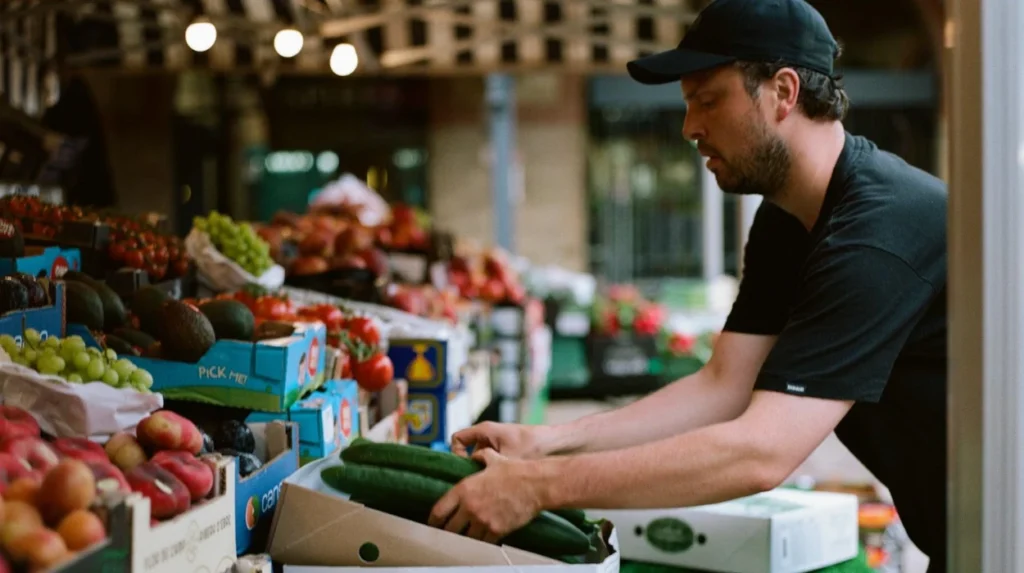
Barnet Market specialises in market-style shopping, with stalls selling fresh produce, baked goods, flowers, specialist foods and other products. Its established trading tradition gives visitors an alternative to supermarkets and chain retailers, with the stall selection depending on the day and participating traders.
Barnet Market dates back to 1199, according to Barnet Council, and continues to operate in Chipping Barnet. The market is an important part of the town centre’s retail identity.
The Spires’ market information lists trading on Wednesdays and Saturdays, from 8am to 3pm. Visitors should confirm the current schedule before setting out, especially around public holidays or special events.
Market products include several food and lifestyle categories:
- Fresh produce: fruit, vegetables and seasonal ingredients.
- Baked goods: bread, pastries and other bakery products.
- Specialist foods: cheese, fish, meat and prepared foods from individual traders.
- Flowers and plants: decorative flowers, plants and gardening products.
- Ready-to-eat food: street food and prepared dishes from participating stalls.
The market’s listed traders include The Bone Family Fruiterers, which has operated since 1959, as well as specialist food businesses such as Elias Fish and No2 Pound Street Cheesemonger. These examples demonstrate the variety of independent food retail available at the market.
For tourists, market shopping provides an opportunity to discover locally operated businesses and purchase products for immediate use. Fresh produce and prepared foods are particularly relevant for visitors staying in self-catering accommodation.
Market stock changes more frequently than the selection in a permanent shop. Check individual stall availability when travelling specifically for a specialist product.
What food shops can you find in Golders Green?
Golders Green has supermarkets, specialist food retailers, delis and businesses catering to different culinary traditions. Its commercial streets serve local residents and visitors looking for groceries, prepared foods and ingredients. The area’s established mix of independent shops and national retailers supports both routine shopping and specialist food purchases.
Golders Green is a diverse North London town centre with a retail environment shaped by its residential communities and transport connections. Barnet Council records more than 25,000 square metres of independent retail space in the town centre.
The council’s conservation-area description identifies supermarkets, cafés, restaurants and specialist retailers among the area’s commercial uses. It also describes a long-standing tradition of shops serving different local communities, including Jewish and Japanese communities.
Food shopping in Golders Green can include:
- Supermarkets: everyday groceries, packaged food and household essentials.
- Delicatessens: prepared foods, cheeses and specialist ingredients.
- Bakeries: bread, pastries and baked snacks.
- Specialist food shops: products associated with particular cuisines or dietary traditions.
- Convenience stores: drinks, snacks and items for immediate needs.
The presence of specialist retailers is useful for travellers seeking particular ingredients rather than a standard supermarket selection. However, product availability, dietary certification and opening times must be checked directly with each business.
Golders Green also has cafés and restaurants, which complement its grocery shops. Visitors can purchase food to take away or stop for a meal between shopping activities.
The area’s cultural diversity is reflected in its retail offer, but individual shops differ in their product range. Checking business listings and current opening information helps visitors identify the right destination before travelling.
Where can you find independent shops in Finchley?
Finchley has independent retailers, cafés, restaurants and everyday service businesses across several shopping areas. Finchley Central and North Finchley are particularly useful starting points for visitors seeking a neighbourhood high street, locally operated businesses and practical shopping without travelling to a major shopping centre.
Finchley is not a single compact retail district. Its shopping offer is distributed across different centres, including Finchley Central, North Finchley and East Finchley.
Finchley Central has independent shops and restaurants across more than 33,410 square metres of retail space, according to Barnet Council. Its Underground station provides a transport connection for visitors travelling from other parts of London.
North Finchley has more than 39,000 square metres of retail space, with independent shops, restaurants, cafés and pubs. The artsdepot cultural venue and North Finchley Library add other activities to the area.
East Finchley is another neighbourhood to consider for independent shopping and everyday services. Visitors can explore its high street for local businesses and food outlets.
Independent shops vary considerably. One business specialises in a particular product, while another combines retail with a service such as repairs, tailoring or personal care. This variety makes local high streets useful for shoppers who want something more specific than the standard range found in large shopping centres.
Visitors should distinguish between Finchley Central and North Finchley when planning a trip. They are separate shopping areas, so a visit to one does not cover the retail offer of the other.
For a leisure-focused outing, choose one centre, browse its shops and combine the visit with a café stop. Travellers with a longer schedule can explore a second Finchley neighbourhood on another part of the trip.
What everyday shops are available in Edgware?
Edgware has independent retailers, convenience shops, food businesses, personal services and a broad selection of high-street shopping facilities. Its main commercial streets provide practical options for visitors buying clothing, groceries, household essentials and personal-care products, with public transport connections supporting access from across North London.
Edgware is one of Barnet’s principal town centres. Barnet Council identifies more than 43,930 square metres of independent retail space in the centre, alongside restaurants, cafés, bars and local services.
Station Road and High Street are important parts of the local shopping area. Their businesses serve residents, commuters and visitors who need products and services during a day out.
The main shopping categories include clothing, convenience groceries, pharmacies, household goods and specialist retail. Food outlets and cafés provide additional options for shoppers taking a break.
Edgware also illustrates how retail centres combine shopping with transport and public services. The council identifies the area as a busy transport hub, with a Northern line station and extensive bus connections.
For tourists, Edgware is a practical option for routine purchases and browsing local businesses. Visitors seeking a specific product should check store directories before travelling, as individual retailers and their stock change over time.
The area is also undergoing a planning-led regeneration process. Changes to public spaces, transport infrastructure and development sites are relevant to its longer-term town-centre environment, although proposed improvements do not guarantee that every retail category will expand.
Where can you find homeware, gifts and lifestyle shops in Barnet?
Homeware, gifts and lifestyle products are available through Barnet’s shopping centres, independent high streets and specialist retailers. Brent Cross provides a concentrated destination for home-related shopping, while neighbourhood centres offer convenient access to household essentials, flowers, presents and selected decorative products.
Homeware shopping includes products for furnishing, organising and decorating a home. Depending on the retailer, these purchases include kitchen equipment, storage products, bedding, decorative accessories and household essentials.
Brent Cross is a useful starting point because its retail mix includes department stores and homeware retailers. Visit London’s shopping guide identifies homeware alongside fashion, footwear, beauty and technology at the centre.
Independent high streets offer a different type of shopping experience. A local florist, gift shop or specialist household retailer often concentrates on a narrower product range than a large department store.
Useful shopping areas include Chipping Barnet, Finchley Central, North Finchley and Edgware. Their retail mixes differ, so visitors should check individual business listings rather than assume every area has the same selection.
For gift shopping, consider the intended recipient and the type of product required. A large shopping centre is convenient for comparing mainstream brands, while independent shops are useful for discovering specialist items.
Visitors staying in rented accommodation or hotels can also use local shops for practical purchases. Household essentials, toiletries and small everyday items are often easier to obtain from nearby high-street retailers than from a destination shopping centre.
What health, beauty and personal-service shops can you find in Barnet?
Barnet’s town centres include pharmacies, hairdressers, beauty businesses and other personal-service providers alongside conventional retail shops. These businesses support everyday needs for residents and visitors, from purchasing toiletries and personal-care products to arranging hair appointments and accessing non-emergency retail services.
Personal-service businesses form an important part of the wider high-street offer. Barnet Council’s planning framework recognises that neighbourhood centres provide services such as hairdressers and cafés alongside shops serving local communities.
Visitors can look for the following business categories:
- Pharmacies: non-prescription medicines, toiletries and general health products.
- Hairdressers and barbers: haircuts, styling and grooming.
- Beauty retailers: skincare, cosmetics and personal-care products.
- Beauty salons: appointments for selected beauty treatments.
- Repair and service businesses: practical services such as clothing alterations or other specialist work, where available.
The exact offer depends on the individual shopping area. Larger centres provide access to multiple retailers, while smaller high streets focus on services for nearby residents.
Tourists should distinguish between buying health products and obtaining medical care. A retail pharmacy provides medicines and related services within its professional remit; it does not replace emergency medical treatment.
Appointments, opening hours and service availability vary between businesses. Visitors who need a particular treatment or product should confirm details directly before travelling.
Which other Barnet neighbourhoods have local shops?
Barnet’s smaller shopping centres provide neighbourhood shops, convenience retailers, cafés and personal services. Areas such as Whetstone, Mill Hill, Burnt Oak, Cricklewood, Hendon Central and New Barnet complement the borough’s larger retail destinations, giving visitors additional places to browse independent businesses and purchase everyday essentials.
Barnet Council divides its retail network into main, district, local and neighbourhood centres. This structure reflects the different roles that shopping areas play across the borough.
Several neighbourhoods are worth considering:
- Whetstone: a high-street shopping area with local businesses and everyday retail.
- Mill Hill: a neighbourhood centre serving residents with shops, food outlets and services.
- Burnt Oak: a commercial area with local retailers and convenience shopping.
- Cricklewood: a diverse shopping district with independent businesses along Cricklewood Broadway.
- Hendon Central: a local centre with shops and services near its transport connections.
- New Barnet: a neighbourhood shopping area serving nearby residential streets.
Cricklewood provides a useful example of the borough’s independent retail network. Barnet Council records more than 46,000 square metres of independent retail space in its town centre. The council also highlights Bifulco Butchers as an example of a long-standing local business.
These neighbourhood centres are particularly useful for travellers who want to shop near their accommodation or combine errands with a local walk. Their shops often focus on convenience and services rather than the extensive branded selection found at Brent Cross.
The best destination depends on the purchase. Choose a major shopping centre for a broad range of national retailers, a market for fresh and specialist products, or a neighbourhood high street for everyday needs.
How does Barnet’s shopping history influence its retail offer today?
Barnet’s retail landscape combines historic market traditions with modern shopping centres and suburban high streets. Barnet Market dates to 1199, while the borough’s present retail network includes independent shops, national brands and local service businesses. This combination reflects the changing ways residents and visitors use commercial streets.
The history of Barnet Market demonstrates the long-standing relationship between trade and town-centre life. The market continues to operate in Chipping Barnet, alongside The Spires and independent high-street retailers.
Historic shopping streets and modern retail developments serve different purposes. Traditional high streets bring together independent businesses, services and food outlets, while larger shopping centres concentrate multiple retailers in one destination.
Barnet Council’s town-centre framework identifies 30 centres across the borough. This network includes main destinations, district centres and smaller neighbourhood shopping areas.
The wider planning context also matters. Government guidance describes town centres as places where retail, food and drink, leisure, employment and community services can work together. This approach recognises that the future of a high street depends on more than shops alone.
For visitors, the result is a varied retail experience. Some areas prioritise large-scale shopping, others specialise in food and independent businesses, and smaller centres support daily needs.
This structure is likely to remain important as shopping habits change. Physical shops provide opportunities to inspect products, receive services and support local businesses, while digital directories help visitors plan their trips and confirm current availability.
How can tourists plan a shopping trip around Barnet?
Tourists can plan a Barnet shopping trip by choosing a destination based on product type, travel connections and available time. Brent Cross suits broad retail browsing, Chipping Barnet combines independent shops with a historic market, and Golders Green and Finchley provide additional options for specialist food shopping and neighbourhood retail.
A simple plan begins with the main purpose of the visit.
For fashion, beauty, technology and homeware, start with Brent Cross Shopping Centre. Its concentration of retailers makes it easier to compare different product categories in one place.
For market shopping, visit Chipping Barnet and check Barnet Market’s Wednesday and Saturday schedule before travelling. Combining the market with The Spires and the High Street creates a broader local shopping itinerary.
For specialist groceries and food-related shopping, Golders Green is a useful destination. Visitors seeking independent retailers can explore Finchley Central, North Finchley or Cricklewood.
Practical planning should include these considerations:
- Transport: check the nearest Underground or rail station and the current bus routes.
- Opening hours: verify the hours of individual shops, especially on Sundays and public holidays.
- Product availability: contact specialist retailers if a purchase depends on a particular item.
- Walking distances: group nearby shops to avoid unnecessary travel between separate centres.
- Food and breaks: identify cafés and restaurants along the planned route.
Visitors travelling for work can also use local shopping areas during free periods. A short visit to a neighbourhood high street is often easier to fit into a schedule than a longer trip to a large shopping centre.
Digital nomads and business travellers should check Wi-Fi availability and seating arrangements separately. A café or shopping centre is not automatically a suitable place for extended remote work, and facilities vary by venue.
Explore More Area Guide
Best Barnet Shopping Areas for Local Shops and Markets
Where to Find Independent Shops in Barnet, North London
Why does Barnet have different types of shopping areas?
Barnet’s retail network serves different catchments, from borough-wide destinations to small neighbourhood parades. Larger centres attract visitors seeking extensive product choice, while local shopping streets provide convenient access to food, personal services and daily essentials. This distribution helps explain why retail categories vary across the borough.
A town centre’s retail mix is influenced by its size, location, transport access, surrounding population and commercial development. A large shopping centre can accommodate numerous national retailers, while a small parade usually focuses on a more limited selection of essential goods and services.
Barnet Council’s network of 30 town centres illustrates this variation. Its main centres include Chipping Barnet, Edgware, Finchley Central, Golders Green and North Finchley, while district and neighbourhood centres serve additional communities.
The Office for National Statistics also distinguishes between town centres, local centres and out-of-town retail areas when analysing retail geography. These categories help explain why shopping experiences differ by location.
For consumers, this means that the best shopping destination is not always the largest one. A supermarket or convenience shop near a hotel can be more useful for immediate needs, while a major shopping centre is better suited to comparing several brands.
Independent retailers also add variety to the retail network. Specialist grocers, market traders, florists and other local businesses serve needs that differ from those of large national chains.
Understanding this structure helps visitors make efficient choices. Instead of searching for every product in one place, shoppers can select the centre that best matches their priorities.
What should visitors know before shopping in Barnet?
Visitors should confirm store locations, opening hours, market days and product availability before setting out. Barnet’s retail offer spans multiple town centres, so travel time and the distance between shopping areas matter. Checking official business directories and transport information helps prevent unnecessary journeys.
Brent Cross and Chipping Barnet are distinct destinations, and travelling between them requires additional time. Golders Green, Finchley and Edgware each have their own commercial areas rather than one borough-wide shopping street.
For the most reliable information, use the following sources:
- Barnet Council’s town-centre pages for information about shopping areas and local development.
- The official Spires website for Barnet Market schedules and participating traders.
- The official Brent Cross Shopping Centre website for store directories and current opening hours.
- Individual retailer websites for product stock, accessibility information and services.
Opening hours and business listings change. Confirming these details is particularly important when travelling for a specific shop, specialist product or market stall.
Visitors should also consider the purpose of the trip. A short shopping break favours one compact destination, while a full leisure day allows time to explore a market, independent high street and nearby cafés.
Barnet’s retail diversity makes it possible to combine mainstream shopping with local discovery. The most effective approach is to choose the right shopping area first and then plan the visit around the products, businesses and experiences available there.
What types of shops are available in Barnet?
Barnet has fashion shops, supermarkets, independent retailers, market stalls, pharmacies, beauty shops, bookshops, homeware stores and specialist food businesses. The range varies between major shopping centres and local high streets.