Key Points
- Islington Council has allocated £9.5 million through its SEND Capital Investment Programme to upgrade learning environments across 39 schools in the borough.
- The funding aims to enable pupils with special educational needs and disabilities (SEND) to thrive alongside their peers in mainstream education.
- Initial completed works include acoustic upgrades across 10 schools to reduce noise and sensory overload in dining halls and classrooms.
- Additional developments across participating schools feature sensory rooms, quiet zones, movement spaces, sensory gardens, improved outdoor access, and wayfinding enhancements.
- Moreland Primary School has introduced sensory breakout spaces and segregated play areas, which school leaders and parents say have directly aided pupil attendance and daily regulation.
- The initiative is financed via the Department for Education’s High Needs Provision Capital Allocation, supplemented by community infrastructure and developer contributions.
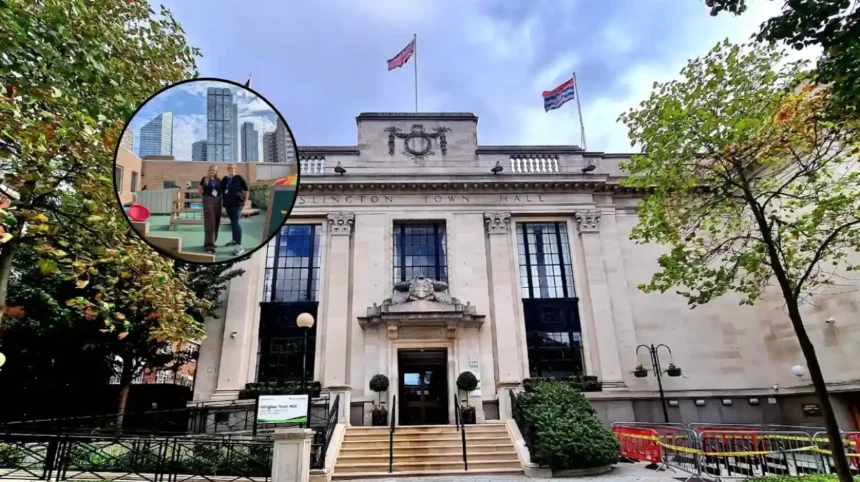
Islington Council (North London News) November 12, 2026 – Islington Council has committed £9.5 million through its SEND Capital Investment Programme to upgrade physical learning environments across 39 schools in the London borough, aiming to remove barriers to education and support children with special educational needs and disabilities within mainstream settings.
- Key Points
- How is Islington Council using the £9.5 million investment to support SEND pupils?
- Which schools have already completed upgrades under the SEND programme?
- Where does the funding for Islington’s SEND school improvements come from?
- Background of the SEND Capital Investment Programme
- Prediction: How This Development Could Affect Pupils, Families, and Schools
How is Islington Council using the £9.5 million investment to support SEND pupils?
The multi-million-pound allocation is directed toward adapting school buildings and grounds so that children with diverse additional needs can participate comfortably in mainstream education. Rather than focusing solely on structural maintenance, the programme targets physical factors that affect how pupils regulate emotions, process sensory input, and navigate their daily routines.
As reported in an official release by Islington Council, Councillor Sheila Chapman, executive member for children, young people and families at Islington Council, stated:
“Every child deserves to learn in an environment where they feel comfortable, supported and able to succeed.”
According to the same announcement from Islington Council, Councillor Sheila Chapman further explained:
“This investment is helping schools across Islington create spaces that reduce barriers to learning and support children and young people with SEND to thrive alongside their peers.”
Councillor Sheila Chapman also noted in the Islington Council statement:
“We’re not just improving school buildings; we’re helping create more inclusive school communities where every child has the opportunity to reach their full potential.”
Across the 39 participating schools, the capital funds are being used to construct sensory rooms, quiet areas, dedicated movement spaces, and sensory gardens. Several sites are also receiving upgrades to improve access to outdoor learning alongside wayfinding modifications designed to help pupils move around school premises independently and with confidence.
Which schools have already completed upgrades under the SEND programme?
Among the earliest projects finished under the initiative are acoustic improvements installed across 10 schools in the borough. These modifications specifically address noise levels and sensory overload in high-traffic environments, including school dining halls and general classrooms.
As documented by Islington Council, Lisa Horton, executive headteacher at Robert Blair School, said:
“This has been actioned over the summer holiday period and made a really positive difference to the experience and inclusion of our pupils, reducing sensory and noise overload and providing a more positive, less institutional lunch experience.”
Lisa Horton concluded her remarks in the release by stating: “Thank you.”
At Moreland Primary School, the funding has delivered new sensory breakout spaces and redesigned play areas tailored to pupils requiring additional support and day-to-day flexibility.
As reported by Islington Council, Catherine Lawrence, headteacher at Moreland Primary School, stated that the modifications have made “a huge difference” for children who require extra support and adaptability.
In the same statement published by Islington Council, Catherine Lawrence added:
“Every day looks different for these pupils, and we need to be able to adapt.” She continued:
“The proof is in the pudding, the children love the new space.”
Parents at Moreland Primary School have also noted practical changes in their children’s school attendance following the playground renovations. As shared in the Islington Council report, Ruqia, a parent at Moreland Primary School, explained that the upgrades enabled her son, Ali, to return to classes.
Ruqia stated in the Islington Council release:
“Now the playground has more sensory stuff and is segregated, it’s started giving my son Ali the space to use his energy.” She added:
“It’s nice and safe, and it’s got him back in school.”
Where does the funding for Islington’s SEND school improvements come from?
The £9.5 million SEND Capital Investment Programme is primarily financed through central government grants, supplemented by local development levies. Specifically, the money originates from the Department for Education’s High Needs Provision Capital Allocation, combined with community infrastructure levies and financial contributions secured from property developers operating within the borough.
The council confirmed that the financial package aligns with its broader operational strategy to embed practical inclusion across local state schools, acknowledging the direct link between a building’s physical design and a pupil’s readiness to learn.
Background of the SEND Capital Investment Programme
The SEND Capital Investment Programme forms part of Islington Council’s wider framework to expand specialist support capacity within mainstream educational settings. Local authorities across England receive High Needs Provision Capital Allocations from the Department for Education to help maintain, improve, and expand educational facilities for children and young people with special educational needs and disabilities. By pooling national capital grants with local community infrastructure and developer contributions, Islington Council established the £9.5 million fund to address physical and sensory accessibility gaps across 39 local schools, scheduling major construction and acoustic works during school holiday periods to minimise disruption to term-time teaching.
Prediction: How This Development Could Affect Pupils, Families, and Schools
For pupils with special educational needs and disabilities in Islington, the completion of acoustic dampeners, quiet zones, and segregated sensory play areas is expected to reduce daily environmental triggers that often lead to sensory overload and school avoidance. As demonstrated by the reported return of pupils such as Ali at Moreland Primary School, adapted physical spaces may contribute to improved attendance rates and sustained engagement in mainstream classrooms. For teaching staff and school leaders across the 39 participating schools, the availability of dedicated breakout and movement rooms provides practical infrastructure to manage varied behavioural and sensory needs without removing children from their local school communities. Over time, parents and carers in the borough are likely to have greater access to mainstream local school placements equipped to accommodate complex sensory and mobility requirements.