Key Points
- Trains are projected to operate on the new West London Orbital London Overground route by the mid-2030s.
- Mayor Sadiq Khan is preparing to establish the delivery of the West London Orbital as a “major priority”, according to a transport minister.
- The route will link Hendon in north London with Hounslow in west London by utilising existing railway freight train tracks.
- Proposals include operating up to six trains per hour along the corridor.
- Four new stations are proposed for the line at Neasden, Harlesden, Old Oak Common Lane, and Lionel Road.
- The service is designed to simplify travel across west and north-west London without requiring passengers to interchange at central London stations.
- The line will establish improved connections to the London Underground, the Elizabeth line, and other national rail services.
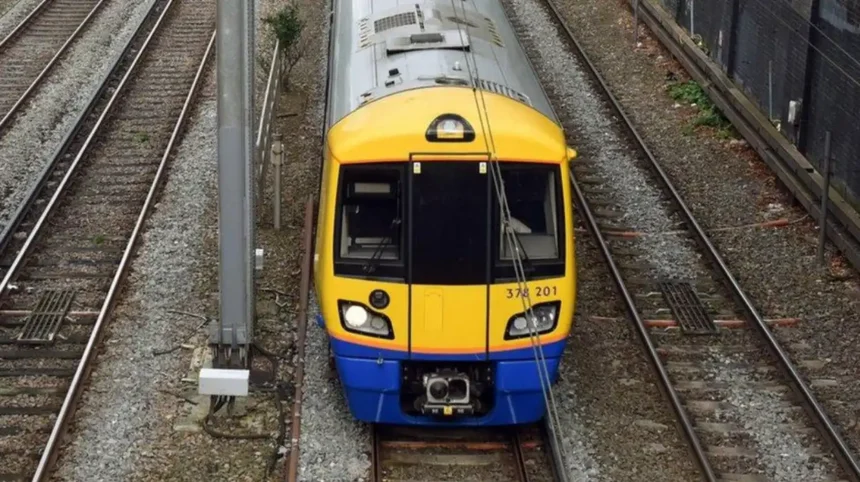
Hendon (North London News) November 12, 2026 – Trains could be operating on a new London Overground route connecting north and west London by the mid-2030s, following confirmation from a transport minister that Mayor Sadiq Khan is set to designate the West London Orbital as a “major priority”.
- Key Points
- What is the West London Orbital route and where will it run?
- Which new stations and service frequencies are included in the proposals?
- How will the new Overground line improve connectivity across London?
- What is the background of the West London Orbital development?
- How could the West London Orbital affect London commuters and local residents?
What is the West London Orbital route and where will it run?
According to details outlined in the initial report, the proposed West London Orbital will establish a direct rail link between Hendon in north London and Hounslow in west London. Rather than constructing an entirely new railway corridor from scratch, the scheme is designed to make use of existing railway freight train tracks running through the outer boroughs.
As detailed in the provided source material, a transport minister indicated that Mayor Sadiq Khan is preparing to make the delivery of this specific route a “major priority” for the capital’s transport network, setting a target timeline for passenger services to commence by the mid-2030s.
Which new stations and service frequencies are included in the proposals?
Current plans for the West London Orbital include operating up to six trains per hour along the route. To serve communities along the existing freight lines, the proposals incorporate the construction of four new stations:
- Neasden
- Harlesden
- Old Oak Common Lane
- Lionel Road
How will the new Overground line improve connectivity across London?
The primary objective of the route is to simplify orbital travel across west and north-west London. Under current rail configurations, passengers travelling between these outer areas frequently have to travel into central London to change trains before heading back out toward their final destination.
By utilising the north-to-west freight corridor, the West London Orbital will remove the necessity for passengers to interchange at central stations. Furthermore, the line is planned to provide direct, improved connections to existing transport infrastructure, specifically linking with the London Underground network, the Elizabeth line, and other regional rail services.
What is the background of the West London Orbital development?
The West London Orbital is an infrastructure proposal developed to address long-standing orbital transport gaps in outer London. Historically, London’s radial rail and Underground networks were constructed primarily to funnel commuters from suburban areas directly into the centre of the city, leaving fewer direct public transport links between neighbouring outer boroughs.
The corridor earmarked for the West London Orbital relies largely on the Dudding Hill Line and adjoining freight routes, which have traditionally been used for industrial freight movement rather than regular passenger services. Transport planners and local boroughs in west and north-west London have advocated for converting these underutilised freight tracks into a passenger-carrying London Overground branch to support regeneration zones, particularly around the major transport hub at Old Oak Common.
How could the West London Orbital affect London commuters and local residents?
For commuters and residents living and working in west and north-west London, the delivery of the West London Orbital by the mid-2030s could alter daily travel patterns by reducing journey times between Hendon, Hounslow, and intermediate stops. Passengers who currently rely on bus routes or lengthy central London Underground interchanges to travel between north-west and west London would gain a direct rail alternative running up to six times an hour.
Additionally, residents in areas surrounding the four proposed new stations—Neasden, Harlesden, Old Oak Common Lane, and Lionel Road—would gain direct access to the wider London Overground network, as well as streamlined interchanges onto the Elizabeth line and London Underground services. Until construction and delivery conclude in the mid-2030s, however, commuters in these areas will continue to rely on existing radial rail lines and local road networks.