Key Points
- The Regulator of Social Housing has issued Haringey Council a C4 rating, the lowest possible grade under its regulatory framework.
- The regulatory report identified “very serious failings” regarding basic health and safety repairs, complaint handling, and anti-social behaviour management.
- Crouch End residents Tracey and her 80-year-old father have lived with chronic damp from a slow leak for years, despite the source being identified two years ago.
- The household recently received their 15th surveyor visit, resulting only in a promise that the unresolved matter would be “reported back”.
- Local political representation has demanded accountability, stating that providing a safe, dry, and warm home is the bare minimum duty of a local authority.
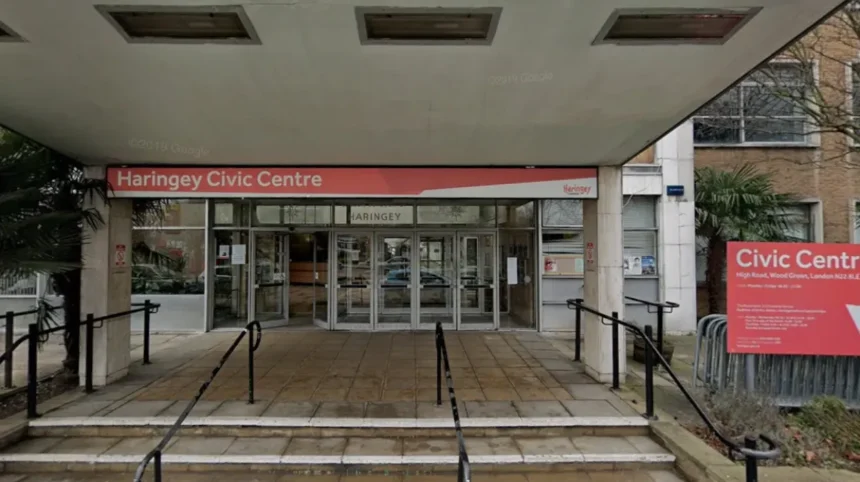
Haringey (North London News) November 14, 2026 – Haringey Council has been handed the lowest possible consumer grading of C4 by the Regulator of Social Housing following the identification of widespread, severe operational failings across its housing services, prompting formal demands for accountability regarding unaddressed health hazards and prolonged repair delays.
Why did the Regulator of Social Housing issue a C4 rating to Haringey Council?
Two weeks ago, the Regulator of Social Housing published its formal assessment of Haringey Council, assigning the local authority a C4 grade—the lowest possible rating available under the regulatory standards. According to the original commentary provided in the source report, the regulator identified “very serious failings” spanning a wide range of core housing management responsibilities.
These documented failures include deficiencies in executing basic health and safety repairs, systemic flaws in the handling of tenant complaints, and inadequate responses when dealing with anti-social behaviour. The report’s author noted that ensuring every family in the borough has a home that is safe, dry, and warm—and operating a council that listens when a repair is logged, acts when safety is at risk, and treats residents with basic respect—represents “the bare minimum job of any local council.”
What specific repair delays are affecting Haringey Council tenants?
The broader regulatory findings reflect the lived experiences of residents within the borough, specifically highlighted by the case of two Crouch End constituents, Tracey and her father, who is in his 80s. As detailed in the source text, the pair have been living with chronic damp caused by a slow leak for several years.
Despite the source of the leak having been officially identified two years ago, the structural issue remains completely unresolved. Rather than carrying out the necessary remedial works, the council dispatched another inspector to the property this week. This marked the household’s 15th surveyor visit for the exact same issue, concluding once again with no physical repair work completed and only a verbal promise from the inspector that the matter would be “reported back.”
Background of the Regulatory Grading and Local Housing Standards
In England, the Regulator of Social Housing oversees registered providers of social housing, including local authorities, to ensure they meet strict economic and consumer standards. Under the consumer grading system (ranging from C1 to C4), a C4 judgement indicates that there are very serious failings in how a landlord is delivering the outcomes of the consumer standards, requiring urgent and fundamental improvements to protect tenants from potential harm.
Historically, local authorities across London have faced heightened scrutiny regarding housing stock conditions, damp and mould remediation, and repair backlogs. Following the introduction of stricter consumer regulation powers, the regulator actively inspects councils to verify compliance with health and safety obligations, fire safety checks, and tenant engagement protocols. In Haringey, the council assumed direct management of its housing stock after bringing its Arm’s Length Management Organisation (ALMO), Homes for Haringey, back in-house in 2022, making the local authority directly accountable for maintenance backlogs and surveyor deployments.
How could this development affect Haringey Council tenants and local officials?
For Haringey Council tenants, particularly vulnerable residents such as the elderly or those living with chronic damp and structural disrepair, the C4 rating places the local authority under formal regulatory enforcement. Residents can expect the council to be legally required to formulate and submit a comprehensive, regulator-monitored improvement plan aimed at clearing repair backlogs, overhauling surveyor workflows, and resolving long-standing health and safety hazards.
For council leadership and housing officers, the lowest-tier grading brings sustained public scrutiny, mandatory oversight from the Regulator of Social Housing, and potential political pressure from local representatives demanding measurable timelines for repairs rather than repeated administrative assessments.