Key Points
- Trains could begin operating on a brand-new London Overground route by the mid-2030s.
- Mayor of London Sadiq Khan is preparing to establish the delivery of the West London Orbital as a “major priority,” according to a transport minister.
- The proposed rail line will establish a direct connection between Hendon in north London and Hounslow in west London.
- The project will utilise existing railway freight train tracks to establish the passenger service.
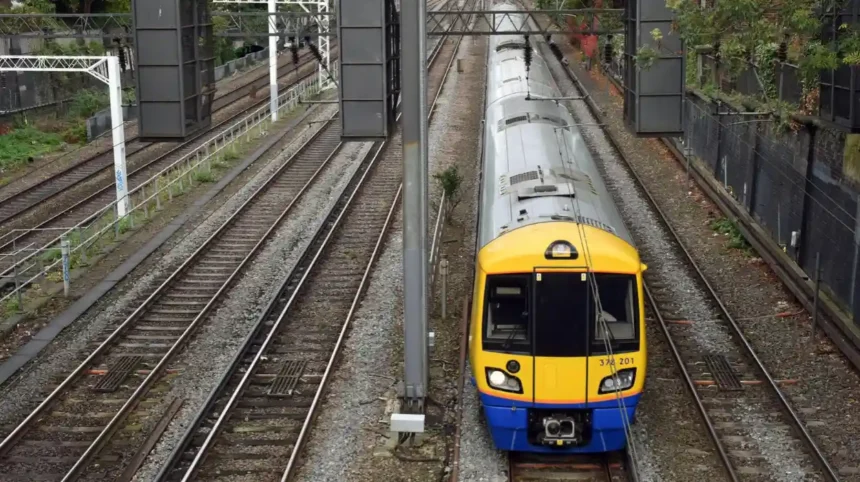
Hendon (North London News) November 14, 2026 – Trains could be operating on a new London Overground route by the mid-2030s, following confirmation from a transport minister that Mayor of London Sadiq Khan is preparing to make the delivery of the West London Orbital a “major priority.” The planned rail link will connect Hendon in north London with Hounslow in west London by utilising existing railway freight tracks.
When will trains start running on the West London Orbital?
According to statements made by a transport minister, passenger services on the new London Overground route could be operational by the mid-2030s. The timeline is tied to the anticipated decision by Mayor Sadiq Khan to elevate the delivery of the West London Orbital to a “major priority” within the capital’s transport infrastructure agenda.
Which areas of London will the new Overground line connect?
The route is designed to link north and west London directly. Specifically, the line will run between Hendon in north London and Hounslow in west London. Rather than requiring the construction of an entirely new railway corridor through built-up urban areas, the scheme will make use of existing railway freight train tracks to establish the passenger connection.
Background of the West London Orbital Development
The West London Orbital is a proposed passenger rail scheme intended to improve orbital transport links across the outer boroughs of north and west London. Historically, London’s rail and Underground networks have been heavily radial, designed primarily to move commuters into and out of central London. Travelling between neighbouring outer boroughs—such as moving from north-west London to west London—has traditionally required passengers either to travel into central London and back out again, or to rely on slower orbital bus routes and congested road networks.
The concept of using existing freight lines to create a new orbital passenger service has been examined by Transport for London (TfL) and local borough councils for several years as a cost-effective way to expand the London Overground network. By adapting underused freight corridors—specifically sections of the Dudding Hill Line and existing tracks through Old Oak Common and Kew—the project aims to introduce passenger trains without the prohibitive expense and disruption associated with tunnelling or extensive land acquisition.
Prediction: How This Development Could Affect London Commuters and Local Communities
If the project proceeds on the projected timeline towards a mid-2030s launch, the primary impact will be felt by daily commuters, residents, and businesses across north and west London boroughs, including Barnet, Brent, Ealing, and Hounslow.
- Reduced Journey Times: Commuters travelling between Hendon, Hounslow, and intermediate stops will gain a direct rail alternative, significantly reducing reliance on indirect central London routes or congested local roads.
- Improved Access to Major Hubs: The route is positioned to improve connections to key interchange and regeneration areas, including Old Oak Common—where HS2 and Elizabeth line services intersect—and Brent Cross, broadening employment and educational access for residents in outer London.
- Modal Shift and Congestion Relief: Providing a reliable Overground service on existing freight tracks may encourage drivers in west and north-west London to switch from private cars to public transport, potentially easing road traffic congestion and lowering local emissions over the long term.