

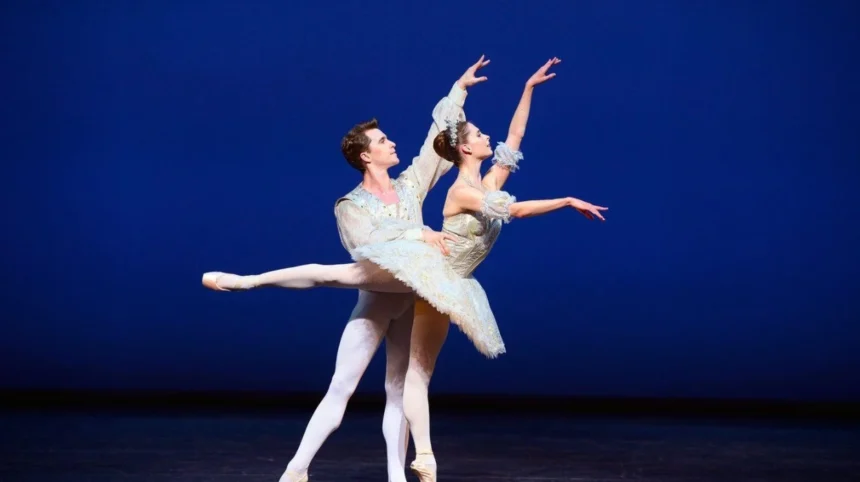
London has an internationally recognised performing arts industry, supported by theatres, dance companies, choreographers, training institutions and independent artists. Among its most influential cultural organisations is Sadler’s Wells. Based historically in Angel, Islington, the organisation has developed into a major international centre for dance, artistic innovation and performance.
- How Does Sadler’s Wells Influence London’s Dance Scene?
- What Is the Historical Background of Sadler’s Wells?
- How Does Sadler’s Wells Support Contemporary Dance and Choreography?
- What Types of Dance Performances Does Sadler’s Wells Present?
- Classical ballet
- Contemporary dance
- Flamenco and Spanish dance
- Hip hop and street dance
- Other international dance traditions
- How Does Sadler’s Wells Help Emerging Dancers and Choreographers?
- Artist development programmes
- Associate artists and creative partnerships
- Professional rehearsal facilities
- What Role Does Breakin’ Convention Play in London’s Dance Industry?
- Giving street dancers professional opportunities
- International cultural exchange
- Supporting young performers
- How Does Sadler’s Wells Make Dance More Accessible to the Public?
- How Does Sadler’s Wells Contribute to Dance Education and Training?
- How Does Sadler’s Wells Support London’s International Dance Industry?
- Bringing international dance companies to London
- Touring British dance productions overseas
- Developing London’s cultural reputation
- What Are the Main Sadler’s Wells Theatre Venues in London?
- Sadler’s Wells Theatre, Angel
- Lilian Baylis Studio, Islington
- Peacock Theatre, West End
- Sadler’s Wells East, Stratford
- What Impact Does Sadler’s Wells Have on London’s Creative Economy?
- Employment opportunities
- Supporting independent creative businesses
- Cultural tourism and local spending
- Investment in the creative future
- How Does Sadler’s Wells Connect With North London’s Cultural Identity?
- Strengthening Angel’s cultural character
- Connecting heritage with modern performance
- Supporting the wider London theatre network
- How Can Visitors Experience Sadler’s Wells as Part of a London Cultural Trip?
- Attend a live dance performance
- Explore different dance styles
- Participate in workshops and public events
- Explore the Angel neighbourhood
- Consider accessibility before visiting
- What Is the Future Role of Sadler’s Wells in London’s Dance Scene?
Sadler’s Wells contributes to London’s dance scene by presenting international productions, commissioning original choreography, supporting emerging artists, developing professional talent and introducing new audiences to different dance traditions. Its programme includes classical ballet, contemporary dance, flamenco, hip hop theatre, tango and experimental performance.
The organisation also extends its influence beyond its original North London home. Its four London theatre venues connect audiences and artists across Angel, the West End and Stratford. Its work supports the wider performing arts industry through international partnerships, educational programmes, touring productions and community participation.
Understanding Sadler’s Wells means understanding how a major cultural institution influences the development, accessibility and international reputation of dance in London.
How Does Sadler’s Wells Influence London’s Dance Scene?
Sadler’s Wells strengthens London’s dance scene by presenting international performances, commissioning original productions, supporting choreographers and developing new talent. Its year-round programme connects traditional dance forms with contemporary experimentation, creating opportunities for artists, audiences and the wider performing arts industry.
Sadler’s Wells operates as more than a conventional theatre. It is a specialist dance organisation that combines artistic production, performance, education and professional development.
Its central contribution is the creation of opportunities for dance to develop as an independent performing art. The organisation provides professional stages for established companies and emerging choreographers. It also introduces audiences to dance styles that receive less representation in mainstream theatre programming.
According to its official organisational information, more than half a million people attend its London theatres each year. Its productions also reach audiences through national and international touring and digital platforms.
This activity creates several important benefits for London.
First, it attracts international dance companies and choreographers to the capital. Second, it provides professional platforms for British artists. Third, it develops audiences who engage with dance beyond traditional ballet performances.
The organisation also supports London’s cultural identity. Its programme reflects the city’s international population through performances influenced by different countries, communities and artistic traditions.
A specialist institution for dance
Sadler’s Wells has established a distinctive position within London’s theatre industry by focusing on dance across different genres.
Its programme includes established dance companies, independent choreographers and experimental productions. This approach gives audiences access to performances that range from classical techniques to contemporary movement.
Connecting London with international dance
International collaboration is another important part of its contribution. Visiting companies introduce different choreographic methods, cultural traditions and performance techniques to London audiences.
These exchanges also give British dancers and choreographers opportunities to work alongside international artists.
What Is the Historical Background of Sadler’s Wells?
Sadler’s Wells originated in 1683 after Richard Sadler discovered a mineral spring in Islington. The site developed into an entertainment venue and later a theatre. Its long history established the cultural foundations for its modern position as an internationally recognised dance organisation.
The history of Sadler’s Wells begins long before contemporary dance became its main artistic focus.
Richard Sadler discovered a mineral spring in 1683 within the grounds of his music house in Islington. He developed the site as an entertainment destination, attracting visitors interested in its waters and public performances.
During the early eighteenth century, the venue presented a wide variety of entertainment. Audiences encountered musical performances, tumbling, dancing, acrobatics and other popular attractions.
In 1765, theatre manager Thomas Rosoman rebuilt the venue to accommodate more ambitious theatrical productions. Its programming continued to change as public entertainment and London’s theatre industry developed.
The site experienced several periods of reconstruction and changing artistic direction. Its modern theatre opened in 1998, while the organisation entered another important phase in 2005 when director Alistair Spalding established a stronger focus on contemporary dance.
The organisation’s official history describes this development as a transformation into a dedicated contemporary dance house.
For visitors interested in the historical foundations of the venue, explore the [history of Sadler’s Wells Theatre and its transformation from an eighteenth-century entertainment venue into a modern dance institution].
This historical development explains why Sadler’s Wells has a distinctive position in North London. It combines a long-established theatrical location with an international artistic programme.
Why its heritage matters today
The historical identity of Sadler’s Wells gives the organisation cultural significance beyond its current productions.
Its development reflects changes in British entertainment, theatre management and public access to performing arts. The institution demonstrates how a historic London venue can adapt to changing artistic demands while maintaining its cultural identity.
How Does Sadler’s Wells Support Contemporary Dance and Choreography?
Sadler’s Wells supports contemporary dance by commissioning new productions, providing rehearsal facilities, presenting experimental performances and developing relationships with choreographers. These opportunities allow artists to explore movement, collaborate across disciplines and introduce innovative choreography to London and international audiences.
Contemporary dance is a major part of Sadler’s Wells’ artistic identity.
Contemporary dance refers to a broad performance discipline that combines different movement techniques, physical expression and choreographic approaches. Unlike traditional ballet, it does not follow one fixed movement vocabulary or performance structure.
Sadler’s Wells gives contemporary choreographers professional opportunities to develop and present original work.
Its support includes commissioning productions, providing creative spaces and presenting performances through its theatre programme.
Supporting established choreographers
The organisation works with internationally recognised choreographers whose productions contribute to contemporary dance development.
Examples include:
- Akram Khan: Known for combining contemporary movement with Kathak, a classical Indian dance tradition.
- Hofesh Shechter: Recognised for physically powerful choreography combining movement, rhythm and music.
- Crystal Pite: Known for complex contemporary choreography and theatrical movement.
- Anne Teresa De Keersmaeker: Founder of the dance company Rosas and an influential figure in contemporary European choreography.
- Matthew Bourne: Known for theatrical interpretations of established ballet and dance works.
These artists represent different approaches to choreography. Their work helps audiences understand the range of contemporary dance as a performance discipline.
Sadler’s Wells has also identified artists including Oona Doherty, Seeta Patel, Jules Cunningham and Jasmin Vardimon within its wider artistic programme.
Encouraging experimental performance
Experimental choreography allows artists to question established performance conventions.
Choreographers use movement, music, lighting, stage design and digital technology to create new forms of performance. Sadler’s Wells provides a professional environment for these approaches.
This support strengthens London’s position as a destination for innovative dance productions.
What Types of Dance Performances Does Sadler’s Wells Present?
Sadler’s Wells presents a wide range of dance styles, including classical ballet, contemporary dance, flamenco, hip hop, tango, tap and experimental theatre. This diverse programming introduces audiences to different movement traditions while giving professional dancers opportunities to showcase distinctive artistic approaches.
One of the organisation’s strongest contributions is its commitment to dance in different cultural and artistic forms.
Rather than concentrating exclusively on ballet or contemporary dance, Sadler’s Wells presents performances representing different countries, communities and choreographic traditions.
Its programme includes several important dance categories.
Classical ballet
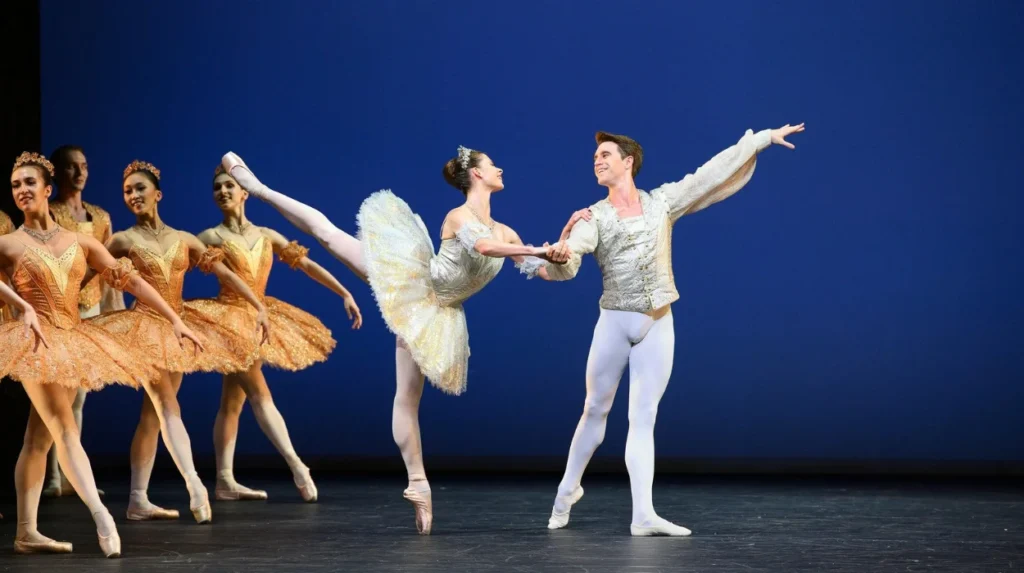
Classical ballet is a technically demanding dance discipline based on established movement vocabulary, posture, balance and structured choreography.
Sadler’s Wells provides opportunities for ballet companies and choreographers to present traditional productions and contemporary interpretations.
These performances help maintain public interest in classical dance while connecting established ballet techniques with modern theatrical approaches.
Contemporary dance
Contemporary dance explores movement through physical expression, improvisation and original choreography.
Performances frequently examine social issues, identity, relationships and cultural experiences. Sadler’s Wells supports this discipline by presenting established artists and commissioning new productions.
Flamenco and Spanish dance
Flamenco combines expressive footwork, rhythmic movement, music and traditional Spanish performance techniques.
Its inclusion introduces London audiences to a culturally distinctive dance tradition. Professional flamenco performances also demonstrate how music and movement communicate emotion and cultural identity.
Hip hop and street dance
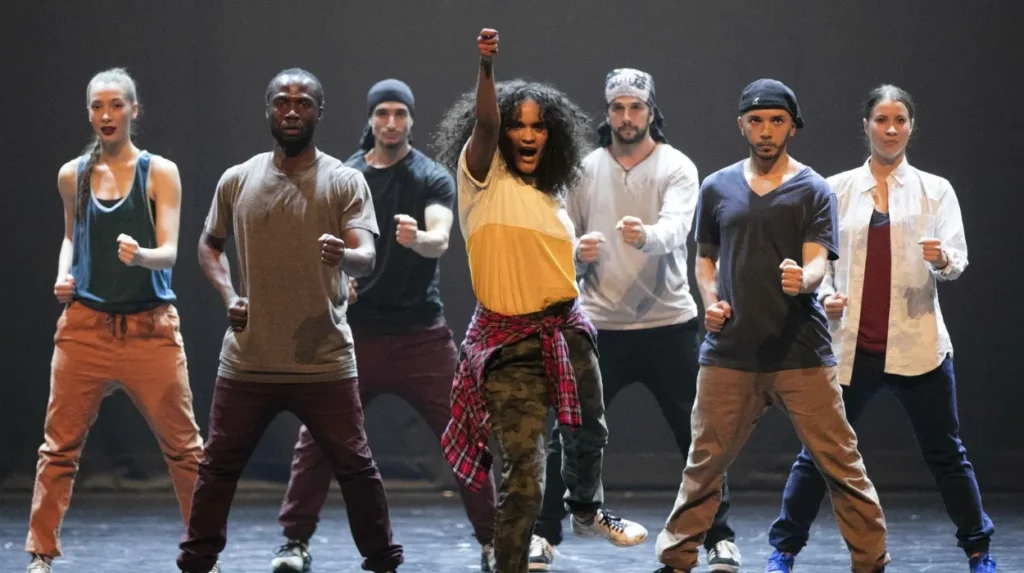
Hip hop theatre connects street dance with theatrical storytelling and performance.
It includes breaking, popping, locking and other movement techniques. Sadler’s Wells has played an important role in giving hip hop artists access to professional theatre stages.
Its Breakin’ Convention programme is particularly significant because it celebrates hip hop culture and provides opportunities for dancers, choreographers and emerging companies.
Other international dance traditions
The organisation also presents tango, tap, kathak and other dance traditions.
Kathak is a classical Indian dance form characterised by intricate footwork, rhythmic patterns and storytelling. Tango developed in Argentina and Uruguay and combines partnered movement with musical interpretation.
These performances contribute to cultural exchange within London’s performing arts industry. They also allow audiences to experience dance traditions beyond mainstream British theatre programming.
The organisation’s official dance guide identifies these and other forms as part of its commitment to presenting dance in all its forms.
How Does Sadler’s Wells Help Emerging Dancers and Choreographers?
Sadler’s Wells develops emerging dance talent through artist development, professional performance opportunities, rehearsal facilities, educational partnerships and specialist training. These programmes help new performers gain industry experience, develop original choreography and build sustainable careers in the performing arts.
A successful dance industry requires more than established companies and internationally recognised performers. It also needs opportunities for new artists to develop their skills and enter professional employment.
Sadler’s Wells contributes to this process through its artist development activities.
Emerging choreographers require access to rehearsal spaces, experienced collaborators, professional production teams and audiences. The organisation provides opportunities that address these needs.
Artist development programmes
Artist development helps dancers and choreographers progress from early experimentation to professional production.
Sadler’s Wells supports artists through creative opportunities, professional relationships and platforms for presenting new work.
Its approach recognises that dance careers involve different stages of development. An emerging choreographer requires different support from an established international company.
Associate artists and creative partnerships
The organisation works with associate artists who contribute to its artistic programme.
These relationships encourage long-term collaboration rather than focusing exclusively on individual performances.
Artists gain opportunities to develop ideas, present productions and connect with other creative professionals.
Professional rehearsal facilities
Dance requires specialist working environments.
Professional studios provide appropriate flooring, space, mirrors, sound equipment and room for group rehearsals. These facilities help performers prepare physically demanding productions before presenting them to audiences.
Sadler’s Wells East adds six dedicated dance studios to the organisation’s facilities, significantly expanding its creative infrastructure.
These facilities strengthen London’s position as a place where dance artists can create and develop work.
What Role Does Breakin’ Convention Play in London’s Dance Industry?
Breakin’ Convention is Sadler’s Wells’ internationally recognised hip hop theatre platform. It promotes breaking, street dance, music and theatrical performance through festivals, workshops and artist development, helping hip hop culture gain wider recognition within London’s professional performing arts industry.
Breakin’ Convention has an important position within Sadler’s Wells’ wider contribution to dance.
Hip hop culture developed through music, dance, visual art and community expression. Breaking, also known as breakdancing, became one of its most recognisable movement disciplines.
Hip hop theatre expands these foundations by combining street dance with storytelling, theatrical presentation and collaborative performance.
Breakin’ Convention provides a professional platform for these artistic practices.
Giving street dancers professional opportunities
Street dancers frequently develop their skills through community groups, independent training and informal performance environments.
A professional theatre platform creates opportunities to reach larger audiences and establish relationships with the performing arts industry.
Breakin’ Convention helps connect these communities with established cultural institutions.
International cultural exchange
Hip hop theatre has developed across different countries and cultural environments.
Breakin’ Convention introduces audiences to international performers and different interpretations of street dance. This exchange supports creative collaboration and introduces new performance techniques to London.
Supporting young performers
Sadler’s Wells East hosts Academy Breakin’ Convention, a specialist educational initiative for young people aged 16–19.
The programme provides training in performance and production arts specifically related to hip hop theatre. Its development represents an important investment in professional pathways for young creatives.
This activity demonstrates how Sadler’s Wells supports dance beyond the presentation of finished productions.
How Does Sadler’s Wells Make Dance More Accessible to the Public?
Sadler’s Wells improves public access to dance through affordable performances, workshops, free community activities, digital programming and educational opportunities. Its approach welcomes different ages, abilities and cultural backgrounds, helping more people experience dance as both an audience member and an active participant.
Access to professional dance is important for the long-term development of London’s performing arts industry.
Ticket prices, unfamiliar dance styles and limited performance opportunities can prevent some people from attending cultural events.
Sadler’s Wells addresses these barriers through different forms of public engagement.
Affordable performances
The organisation’s 2025–26 review reported that 50% of tickets for its Sadler’s Wells East programme were priced at £25 or below.
This pricing approach provides an accessible entry point for audiences interested in professional dance without purchasing expensive theatre tickets.
Community workshops
Workshops give participants practical opportunities to explore dance.
Activities can introduce participants to different movement techniques, choreography and physical expression.
They also help audiences understand the preparation involved in professional performances.
Free public activities
Sadler’s Wells East includes a public performance and participation space known as The Dance Floor.
It provides opportunities for free activities, workshops and community performances. The venue also hosts The Floor Is Yours, scheduled opportunities for members of the public to use the space.
These initiatives help make dance visible outside conventional ticketed performances.
Digital access
Sadler’s Wells extends its programme through digital content.
Its 2024–25 annual review reported 1.7 million views of Digital Stage content, including dance films, documentaries, performance recordings, workshops and podcasts.
Digital programming helps audiences discover dance without attending a physical theatre. It also extends the organisation’s reach beyond London and the United Kingdom.
How Does Sadler’s Wells Contribute to Dance Education and Training?
Sadler’s Wells contributes to dance education through specialist training facilities, educational partnerships, young artist programmes and professional development. These initiatives connect practical dance experience with creative learning, helping young people develop technical skills and understand careers in performance and production.
Dance education is an essential part of a sustainable performing arts industry.
Professional dancers require years of training, while choreographers and production professionals need opportunities to understand performance, movement and theatre operations.
Sadler’s Wells supports this development through its educational activities.
Rose Choreographic School
The Rose Choreographic School is part of the educational development at Sadler’s Wells East.
It focuses on choreography and supports the development of creative practitioners. Its presence strengthens the relationship between professional dance production and structured artistic education.
Academy Breakin’ Convention
Academy Breakin’ Convention offers a specialist pathway for young people interested in hip hop theatre.
The programme focuses on performance and production arts, helping participants understand the creative and practical requirements of professional theatre.
Its emphasis on hip hop theatre also recognises street dance as a legitimate area of professional artistic development.
Learning through professional performance
Educational engagement also takes place through performances, workshops and artist discussions.
Students and young performers gain opportunities to observe professional dancers and understand how choreography develops from an initial idea into a finished production.
This relationship between education and professional practice strengthens London’s future dance workforce.
How Does Sadler’s Wells Support London’s International Dance Industry?
Sadler’s Wells strengthens London’s international dance industry by inviting overseas companies, presenting international choreographers, touring British productions and developing artistic partnerships. These activities create professional connections, expand cultural exchange and increase the global visibility of London’s dance and performing arts sector.
London attracts international performing artists because of its established theatres, cultural institutions and diverse audiences.
Sadler’s Wells contributes to this reputation by bringing international productions to its stages and supporting British dance companies in reaching audiences abroad.
Bringing international dance companies to London
International companies introduce audiences to different choreographic traditions and performance techniques.
Sadler’s Wells’ 2024–25 annual review recorded performances from 96 companies across its London theatres, including 43 UK companies and 53 international companies.
This demonstrates the organisation’s role as a meeting point for British and international dance. Sadler’s Wells
Touring British dance productions overseas
International touring allows British choreographers and companies to present their work outside the domestic market.
During 2024–25, Sadler’s Wells delivered more than 100 international touring dates across 15 countries.
These performances strengthened international connections and introduced British dance productions to audiences in different cultural environments. Sadler’s Wells
Developing London’s cultural reputation
International dance festivals and visiting productions attract cultural tourists, students and performing arts professionals.
These visitors contribute to the wider cultural economy through theatre attendance, accommodation, restaurants, transport and other local services.
The organisation therefore supports London’s international cultural reputation while contributing to the economic activity associated with performing arts.
What Are the Main Sadler’s Wells Theatre Venues in London?
Sadler’s Wells operates four London theatre venues across Angel, the West End and Stratford. These spaces include its principal Islington theatre, the Peacock Theatre, the Lilian Baylis Studio and Sadler’s Wells East, supporting performances, rehearsals and artistic development.
The organisation’s contribution extends beyond its historic North London location.
Its venues provide different performance environments for productions of varying scales, from large theatrical presentations to smaller experimental performances.
Sadler’s Wells Theatre, Angel
The main Sadler’s Wells Theatre is located on Rosebery Avenue in Islington, North London.
It is the organisation’s principal performance venue and has a capacity of approximately 1,500 people.
Its programme includes major dance productions, contemporary choreography and international performances.
For visitors exploring North London, the theatre is an important cultural destination in the Angel area.
Lilian Baylis Studio, Islington
The Lilian Baylis Studio provides a smaller performance environment.
It accommodates approximately 40–180 people, depending on the configuration.
The studio supports smaller productions, experimental choreography and performances that benefit from a more intimate audience setting.
It also provides a useful space for emerging artists to present creative work.
Peacock Theatre, West End
The Peacock Theatre is located on Portugal Street in London’s West End.
It provides another performance platform within the organisation’s wider network.
Its approximately 1,000-seat capacity makes it suitable for larger productions and theatrical presentations.
The venue also connects Sadler’s Wells with the West End’s wider entertainment and tourism industry.
Sadler’s Wells East, Stratford
Sadler’s Wells East opened on 6 February 2025 in Queen Elizabeth Olympic Park, Stratford.
It is the organisation’s fourth theatre and an important expansion of its artistic and educational infrastructure.
The venue includes:
- A flexible 550-seat auditorium.
- Six specialist dance studios.
- Educational facilities.
- A public performance and participation space.
- Facilities for creative development and professional rehearsals.
The venue forms part of East Bank, a cultural and educational development alongside institutions including the BBC, University College London, the University of the Arts London and the Victoria and Albert Museum.
The Mayor of London officially opened the building in February 2025.
This expansion connects Sadler’s Wells with East London’s growing cultural infrastructure while extending its influence beyond Islington.
What Impact Does Sadler’s Wells Have on London’s Creative Economy?
Sadler’s Wells contributes to London’s creative economy through theatre employment, professional dance productions, international touring, education, cultural tourism and partnerships. Its venues support artists, technical teams, production workers and hospitality businesses while strengthening London’s wider performing arts industry.
The performing arts industry involves more than performers appearing on stage.
A professional dance production requires choreographers, dancers, rehearsal directors, costume designers, lighting technicians, sound engineers, stage managers and administrative staff.
Sadler’s Wells supports this wider workforce through its year-round programme and creative infrastructure.
Employment opportunities
Dance productions create work across different professional disciplines.
Performers require technical and administrative support, while theatre operations depend on front-of-house teams, production departments and venue management.
The organisation therefore contributes to employment across London’s cultural sector.
Supporting independent creative businesses
Dance productions also create demand for external creative services.
Examples include costume production, photography, video recording, graphic design, event management and technical equipment.
These relationships connect Sadler’s Wells with London’s wider creative business community.
Cultural tourism and local spending
Sadler’s Wells attracts visitors from outside London and international destinations.
Tourists attending performances frequently combine theatre visits with restaurants, accommodation and sightseeing.
The Angel theatre also contributes to Islington’s cultural attractions and visitor economy.
Sadler’s Wells East creates similar opportunities in Stratford, where cultural institutions and leisure attractions support the development of East London’s visitor economy.
Investment in the creative future
The expansion into Stratford represents a long-term investment in dance infrastructure.
Its six studios, educational facilities and flexible auditorium provide resources for future productions and professional development.
Sadler’s Wells East also supports the wider ambitions of East Bank, which aims to strengthen London’s cultural and educational infrastructure.
How Does Sadler’s Wells Connect With North London’s Cultural Identity?
Sadler’s Wells contributes to North London’s cultural identity by maintaining a historic theatre in Islington, attracting international audiences and providing professional platforms for dance artists. Its location in Angel connects performing arts with the area’s wider heritage, independent businesses and cultural attractions.
North London has an established cultural landscape that includes theatres, music venues, galleries, historic buildings and creative communities.
Sadler’s Wells is one of the area’s most important specialist performing arts institutions.
Its presence gives Islington a recognised position within London’s professional dance industry.
Strengthening Angel’s cultural character
Angel is a well-connected area with restaurants, shops, cultural venues and independent businesses.
Sadler’s Wells adds an internationally recognised performing arts institution to this environment.
Visitors can combine a theatre performance with a wider exploration of Islington’s cultural attractions.
Connecting heritage with modern performance
The theatre’s history demonstrates the changing role of entertainment in London.
Its transition from an eighteenth-century entertainment venue to an international dance organisation reflects the development of the capital’s performing arts industry.
This connection between heritage and contemporary culture helps maintain Islington’s significance as a destination for visitors interested in London’s cultural history.
Supporting the wider London theatre network
Although its original home is in North London, Sadler’s Wells operates across different parts of the capital.
Its venues in the West End and Stratford connect audiences with dance beyond one geographical area.
This network helps distribute cultural activity across London and gives artists access to different audiences.
Explore More Area Guide
Union Chapel Islington: Architecture, History and Cultural Significance
Where to Discover Live Music in Islington: Best Venues and Concerts
How Can Visitors Experience Sadler’s Wells as Part of a London Cultural Trip?
Visitors can experience Sadler’s Wells by attending a scheduled dance production, exploring different performance genres, participating in public workshops or visiting its theatre spaces. Its Angel location also makes it suitable for combining a performance with a wider Islington sightseeing itinerary.
Sadler’s Wells offers opportunities for visitors with different levels of knowledge about dance.
First-time audiences can attend accessible productions, while experienced dance enthusiasts can explore contemporary choreography and international companies.
Attend a live dance performance
The most direct way to experience Sadler’s Wells is to attend a scheduled performance.
Visitors should check the official programme before travelling because productions, performance dates and ticket availability change throughout the year.
The programme includes different dance traditions and contemporary theatrical presentations.
Explore different dance styles
Visitors can choose performances based on their interests.
Classical ballet provides an introduction to traditional dance techniques, while contemporary productions offer experimental movement and modern choreography.
Hip hop theatre and flamenco introduce different cultural and artistic traditions.
Participate in workshops and public events
Sadler’s Wells also provides opportunities to experience dance through participation.
Workshops and public activities introduce visitors to movement, rhythm and choreography.
Sadler’s Wells East offers additional public engagement through its Dance Floor and community activities.
Explore the Angel neighbourhood
The Angel theatre is surrounded by cultural and leisure destinations.
Visitors can explore Upper Street, independent shops, restaurants and nearby historic locations.
This makes the theatre suitable for an evening cultural itinerary or a wider North London visit.
Consider accessibility before visiting
Visitors should check the venue’s official access information when booking.
Accessibility arrangements differ between buildings and performances. Checking wheelchair spaces, step-free routes, accessible toilets and any performance-specific provisions helps visitors plan their visit.
The official Sadler’s Wells website provides current information about performances, tickets, venue facilities and access arrangements.
What Is the Future Role of Sadler’s Wells in London’s Dance Scene?
Sadler’s Wells is positioned to influence the future of London’s dance industry through new performance spaces, specialist education, international partnerships and innovative choreography. Its expanding infrastructure supports emerging artists, wider public participation and the development of dance as a major cultural discipline.
The organisation’s expansion into Stratford represents an important development in its long-term contribution to London.
Its future activity focuses on connecting artistic excellence with education, accessibility and creative experimentation.
Expanding opportunities for new choreographers
The development of additional studios creates more opportunities for artists to develop productions.
Access to professional rehearsal facilities helps emerging choreographers experiment with movement, collaborate with performers and prepare work for public presentation.
This investment strengthens the infrastructure required for London’s future dance industry.
Developing new audiences
Sadler’s Wells continues to introduce dance to audiences who do not regularly attend traditional theatre performances.
Hip hop theatre, free public activities and digital productions provide alternative ways to experience dance.
These approaches help develop audience interest across different generations and communities.
Strengthening international partnerships
International touring and artistic collaboration will remain important to the organisation’s wider influence.
Partnerships with overseas companies allow British artists to exchange creative techniques and reach new audiences.
They also strengthen London’s reputation as an international centre for performing arts.
Supporting sustainable cultural development
Sadler’s Wells has also identified sustainability as part of its organisational priorities, including its ambition to reach Net Zero by 2050.
Its contribution therefore extends beyond artistic programming to the environmental and operational responsibilities of a major cultural institution.
Sadler’s Wells plays a significant role in shaping London’s dance scene through artistic innovation, international performances, professional development and public engagement.
Its historic theatre in Angel maintains an important cultural connection with North London, while the Peacock Theatre and Sadler’s Wells East extend its influence across the capital.
The organisation supports established choreographers and emerging performers, introduces audiences to international dance traditions and provides educational opportunities for future generations.
Its 2024–25 achievements, including performances from 96 companies, more than 650 performances and over 100 international touring dates, demonstrate the scale of its contribution.
For tourists, Sadler’s Wells offers an opportunity to experience London’s diverse performing arts culture. For residents, it provides access to professional dance, workshops and community activities. For artists, it offers stages, creative facilities and opportunities to develop original work.
Ultimately, Sadler’s Wells contributes to London’s cultural identity by ensuring that dance remains an accessible, internationally connected and continually developing part of the city’s performing arts industry.
What is Sadler’s Wells famous for?
Sadler’s Wells is famous for its international dance programme, contemporary choreography and specialist performing arts productions. It presents ballet, flamenco, hip hop theatre, contemporary dance and other international dance styles.