

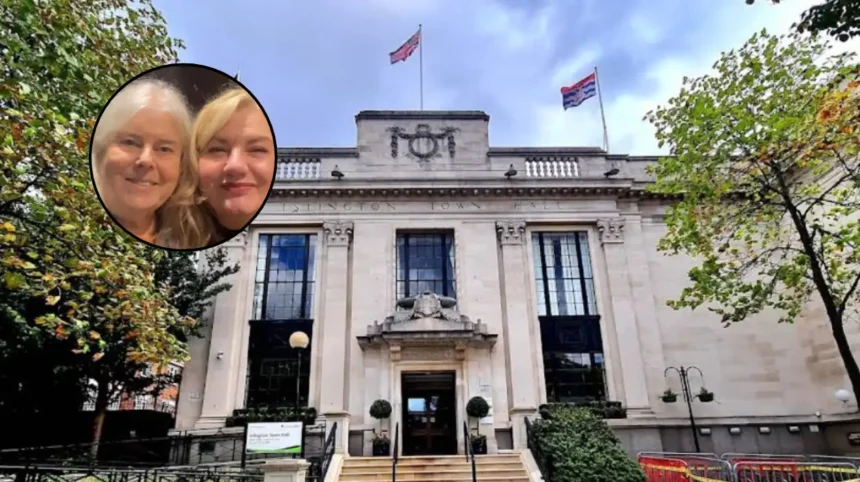
Key Points
- The Metropolitan Police obtained a court order in 2024 compelling Islington Council to release survivor testimonies sought for Operation Granbury.
- Operation Granbury is the Met’s criminal investigation into alleged abuse across Islington’s care homes over several decades.
- The material concerned survivors’ accounts of alleged sexual and physical assault, cruelty and neglect.
- Islington Council said it initially did not consider it appropriate to refer police to the “highly sensitive and personal” accounts.
- Council leader Una O’Halloran said the authority wanted to handle the material in a lawful and trauma-informed way.
- Dr Liz Davies, the former Islington social worker who raised concerns in 1990, said the documents were vital to bringing perpetrators to justice.
- The Islington Survivors Network says it has heard from more than 800 survivors alleging abuse across 42 council-run children’s homes.
- A 2023 Freedom of Information request found that none of 250 submissions made to the council had been escalated to police or the borough’s chief safeguarding officer.
- Islington Council’s Support Payment Scheme had, by April 2024, paid £10,000 to 270 people, with total spending of £4.2 million.
- The Metropolitan Police said it continues to work with the Islington Survivors Network and the council as part of a “complex” investigation.
- Dr Davies is due to question councillors publicly at Islington Council’s full council meeting on Thursday, December 3.
Islington Council (North London News) November 28, 2026 — The Metropolitan Police had to obtain a court order to force Islington Council to hand over testimonies from survivors of alleged child abuse in the borough’s former care homes, according to reporting by Josef Steen of the Local Democracy Reporting Service, published by MyLondon.
- Key Points
- What did the court order require?
- Why did Islington Council withhold the accounts?
- Who is Dr Liz Davies?
- What allegations were contained in the submissions?
- What is known about the historic scandal?
- What has the council paid survivors?
- What has Dr Davies alleged?
- What has happened to support services?
- What happens next?
- Background of the development
- Prediction: how this development can affect survivors and Islington residents
The council has admitted that it withheld documents sought by police as part of Operation Granbury, the criminal investigation into alleged abuse across Islington’s care homes spanning decades. The material related to survivors’ accounts of sexual and physical assault, cruelty and neglect.
The local authority was eventually required to share the information after the Met secured a court order in 2024. The existence and details of that order have only now come to light, one week before Islington councillors are due to be questioned about the historic abuse scandal by a former council employee.
As reported by Josef Steen of MyLondon, Islington Council told the Local Democracy Reporting Service on Friday, November 27, that it had not considered it appropriate to refer police to the “highly sensitive and personal” accounts.
Dr Liz Davies, the whistleblower and former Islington Council social worker who helped expose the scandal in the 1990s, criticised the council for withholding the material. She said the documents were vital for “bringing the perpetrators to justice”.
What did the court order require?
The court order obtained by the Metropolitan Police in 2024 compelled Islington Council to release survivor testimonies that officers had sought for Operation Granbury. The order concerned material containing allegations of serious sexual and physical abuse, cruelty and neglect.
Operation Granbury is the Met’s investigation into alleged abuse in Islington’s care homes over a period spanning decades. The force said it continues to work collaboratively with the Islington Survivors Network and Islington Council as part of what it described as a “complex” investigation.
The Metropolitan Police also urged anyone wishing to report non-recent abuse connected with the case, or any other matter, to contact officers directly through 101. The force said information would be passed to a specialist team, which would work with and support the person making the report, and provide a single point of contact throughout the investigation.
Why did Islington Council withhold the accounts?
Islington Council leader Una O’Halloran said the council initially resisted sharing the survivors’ accounts with police because it wanted to handle the “highly-sensitive and personal” material in a “lawful and trauma-informed way”.
As reported by Josef Steen of MyLondon, Cllr O’Halloran said:
“Survivors who wished to report matters to the police were able to access support to do so. We co-operated with police enquiries and complied with legal requirements in relation to information sharing.”
She added: “We remain committed to listening to survivors, learning from the past and ensuring support is available to those affected.”
Cllr O’Halloran also said the council could not comment on individual cases or on any live police investigation.
The council’s position contrasts with the criticism from Dr Davies, who said withholding the accounts had prevented information from being used in efforts to identify and prosecute those responsible.
Who is Dr Liz Davies?
Dr Liz Davies worked as a social worker at Islington Council between 1986 and 1992. In 1990, she raised concerns about a suspected child abuse network after children in care disclosed to her that they had been abused and alleged the existence of a local paedophile ring targeting children in the borough’s homes.
Her concerns were dismissed by her managers at the time, according to MyLondon’s reporting. She left the council in 1992.
In the same year, an Evening Standard investigation exposed the scandal by telling the stories of eight young people who had been abused.
Dr Davies later founded the Islington Survivors Network in 2016. The network advocates for people who say they were abused across 42 children’s homes run by Islington Council and says it has heard from more than 800 survivors.
What allegations were contained in the submissions?
Dr Davies said the submissions contained “numerous allegations of serious crimes of physical and sexual abuse as well as cruelty and neglect”.
A Freedom of Information request made in 2023 revealed that none of the 250 submissions made to Islington Council had been escalated by officers to the police or to the borough’s chief safeguarding officer.
In light of that finding, Dr Davies accused the council of failing in its statutory safeguarding duties to protect children. Islington Council rejects that claim.
The issue has become central to the wider dispute over how the council handled information provided by survivors and whether material relevant to criminal investigations was passed promptly and appropriately to the police.
What is known about the historic scandal?
Despite hundreds of allegations, few perpetrators have been prosecuted, according to MyLondon.
A subsequent inquiry in 1995 found no evidence of organised abuse, but it was highly critical of Islington Council’s handling of the scandal, particularly its failure to investigate allegations properly.
In 2017, then council leader Richard Watts apologised to survivors and admitted that the council was “culpable” for systemic abuse.
Mr Watts also commissioned a QC-led review in 2017. That review found no evidence of organised abuse but concluded that the council should offer abuse survivors lifelong support services to meet their long-term needs.
The Islington Survivors Network has repeatedly called for a more thorough inquiry into alleged organised abuse. It has cited case studies from the QC report in which multiple perpetrators allegedly targeted one child.
What has the council paid survivors?
Islington Council established a Support Payment Scheme in 2022. By April 2024, the scheme had seen 270 people — 95 per cent of applicants — each awarded £10,000.
By the end of the scheme, the council had paid out a total of £4.2 million.
The payments form part of the council’s response to survivors of non-recent abuse in its former care system, although campaigners have continued to press for a fuller investigation into the alleged scale and organisation of the abuse.
What has Dr Davies alleged?
Dr Davies claims there were 80 known perpetrators, many of whom worked at the council.
Among those she has named is Nicholas Rabet, once deputy superintendent of a former children’s home on Grosvenor Avenue. She alleges that he belonged to a wider paedophile ring operating out of Islington.
According to MyLondon, Rabet fled to Thailand in the 1990s, where he died by suicide while awaiting trial for abusing 30 underage Thai boys.
Former police officer Paul Lamb was jailed in 2017 for raping a girl from an Islington children’s home in the 1970s.
These allegations and convictions form part of the wider history that survivors and campaigners say demonstrates the need for a more extensive investigation into abuse in Islington’s former care homes.
What has happened to support services?
In April, the Islington Survivors Network criticised Islington Council for ending funding for the trauma therapy service it had established for victims of non-recent abuse, as well as for the network itself.
Dr Davies described the decision as a “destruction project”. She said it had been insensitively described as the “Endgame”, despite new survivors still coming forward to the network.
Dr Davies is due to question councillors over that decision in public at Islington Council’s full council meeting on Thursday, December 3.
The forthcoming meeting is expected to place renewed attention on the council’s handling of survivor information, its support arrangements and its cooperation with the police investigation.
What happens next?
The Metropolitan Police says Operation Granbury remains active and that it continues to work with both the Islington Survivors Network and Islington Council.
The council says it remains committed to listening to survivors and ensuring support is available to those affected.
Dr Davies and the Islington Survivors Network are expected to continue pressing for greater transparency over the council’s handling of survivor submissions, the circumstances in which the court order became necessary, and the progress of the criminal investigation.
Background of the development
The Islington children’s homes abuse scandal relates to allegations of abuse in council-run care settings from the 1960s to the 1990s. Dr Liz Davies raised concerns while working for Islington Council in 1990, after children in care told her they had been abused and alleged the existence of a local network targeting children in the homes.
An Evening Standard investigation in 1992 publicised accounts from eight young people who had been abused. A 1995 inquiry found no evidence of organised abuse but criticised the council’s handling of allegations.
In 2017, then council leader Richard Watts apologised and acknowledged the council’s culpability for systemic abuse. His QC-led review found no evidence of organised abuse but recommended lifelong support for survivors.
The Islington Survivors Network, founded by Dr Davies in 2016, has continued to collect accounts from survivors and campaign for a fuller inquiry. It says more than 800 people have come forward with allegations relating to 42 council-run children’s homes.
Operation Granbury was established in 2024 as a dedicated Metropolitan Police team based at Holborn police station, according to the Islington Survivors Network. The network has said the team has since closed, while the Met describes the investigation as ongoing and complex.
Prediction: how this development can affect survivors and Islington residents
This development is likely to increase scrutiny of Islington Council’s information-sharing practices and its relationship with survivors. For survivors, the revelation that police needed a court order to obtain testimonies may reinforce concerns that their accounts were not treated with sufficient urgency, particularly where allegations involved serious sexual and physical abuse, cruelty and neglect.
For Islington residents, the development may lead to greater public attention at the council meeting on December 3, where Dr Davies is due to question councillors. It may also prompt further questions about whether survivor submissions should be escalated automatically to safeguarding leads and police where they contain allegations of criminal conduct.
For the Metropolitan Police, the court order may affect confidence in the handling of Operation Granbury, especially among survivors deciding whether to come forward. The force’s stated commitment to providing a single point of contact and specialist support may become an important measure of whether survivors trust the investigation process.
For Islington Council, the disclosure is likely to intensify pressure to explain why it initially withheld the material, how it assessed the legal and safeguarding implications, and what changes it will make to ensure that comparable information is shared appropriately in future. The council’s response, and the outcome of the forthcoming public questioning, may influence survivors’ willingness to engage with both the authority and the police investigation.