Camden London, officially the London Borough of Camden, captivates as a dynamic blend of history, culture, and alternative vibes in North London. This borough encompasses iconic spots like Camden Town, Hampstead Heath, and Regent’s Park, drawing millions annually for its markets, music scene, and green spaces.
From ancient settlements to modern tourism hubs, Camden’s evolution reflects London’s growth, making it an evergreen destination for locals and visitors seeking timeless experiences.
Camden’s Ancient Roots and Early History
Human presence in Camden dates to the Mesolithic era around 7000 BC on Hampstead Heath’s high lands, where forested areas and rivers like the Fleet shaped early life. The area stayed rural for centuries until Roman and medieval expansions pushed London outward along High Holborn.
In the 13th century, John de Kirkby constructed a house and chapel that evolved into the Bishops of Ely’s London palace, hosting figures like Elizabeth I and John of Gaunt. Only St Etheldreda’s Church in Ely Place endures from this era, granted on lease in 1576.
Medieval drainage and fertile lands supported growth, but dense forests limited settlement until the 18th century.
Rise of Camden Town in the 18th-19th Centuries
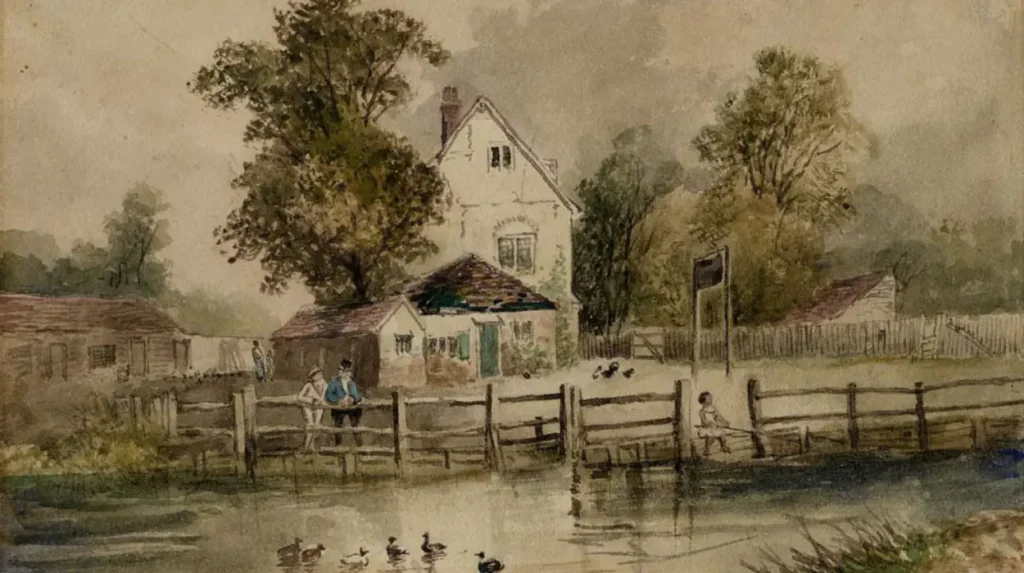
Camden Town emerged in 1791 under Charles Pratt, first Earl Camden, who developed it as a residential area for upper and middle classes along a main road. Initially sparse, it boomed after Regent’s Canal opened in 1820, turning it into an industrial hub with warehouses and factories.
Railways in the mid-19th century split the town, attracting working-class residents and spurring employment, while Chalk Farm shifted from farmhouse to commercial zone. By century’s end, population surged, cementing Camden’s role in London’s transport network.
This industrial shift replaced Pratt’s suburban vision with bustling commerce.
20th Century Transformation and Borough Formation
The London Borough of Camden formed in 1965, merging Hampstead, Holborn, and St Pancras metropolitan boroughs, named for the Earl. Post-war housing schemes reshaped streets, while 1960s developments modernized the area.
Camden Lock’s wharves converted to craft markets in the 1970s, sparking tourism and alternative culture amid punk and music scenes. Rail tunnels and canal infrastructure from Victorian times supported this pivot from industry to entertainment.
Today, service sectors like retail and tourism dominate.
Iconic Landmarks and Markets
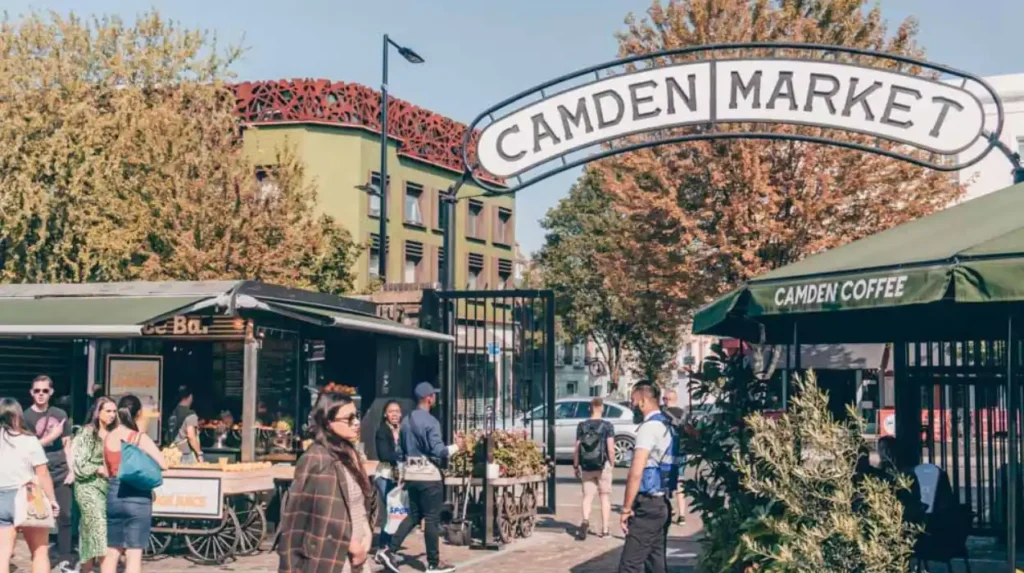
Camden Market stands as a global draw, evolving from canal warehouses into vibrant stalls at Camden Lock, Stables Market, and Buck Street. Shoppers find street food, vintage clothes, and crafts amid horse hospital remnants and underground tunnels.
Hampstead Heath offers panoramic views and ancient woodlands, while Regent’s Park hosts zoos and gardens. Primrose Hill provides skyline vistas, enhancing Camden’s green appeal.
These sites blend history with modern energy.
Cultural Hotspot and Music Legacy
Camden pulses with alternative culture, hosting venues like the Roundhouse and Electric Ballroom for rock, punk, and indie acts. Amy Winehouse and Oasis ties amplify its fame as a misfits’ haven for artists and musicians.
Street art, tattoo shops, and burlesque add edge, rooted in 1970s market rebirth. Festivals and markets sustain year-round buzz.
Neighborhood Highlights
- Camden Town: Canal-side markets and pubs define its gritty charm.
- Hampstead: Leafy village with literary ghosts like Keats.
- Primrose Hill: Trendy homes and hilltop views.
- Kentish Town: Eclectic shops and music dives.
Each offers unique North London flavor.
Practical Visitor Guide
Navigate via Northern Line or Overground to Camden Town station. Best visits avoid peak weekends for crowds; explore canals by boat. Free markets operate daily, with paid attractions like the London Zoo nearby.
Local eats range from global street food to pubs like The World’s End. Stay in boutique hotels amid the vibe.
Why Camden Endures
Camden’s mix of history, rebellion, and accessibility ensures lasting appeal for North Londoners. Its evolution from rural outpost to cultural icon inspires ongoing discovery.