East Barnet traces its roots to medieval times as part of Hertfordshire’s Cashio hundred. From 1894 to 1965, it formed the East Barnet Urban District before merging into Greater London, joining areas like Chipping Barnet and Friern Barnet to create the modern London Borough of Barnet.
The area distinguished itself from nearby Chipping Barnet and Friern Barnet, evolving around ancient parish lands post-Norman Conquest. Records from the 16th century mention figures like Thomas Rolf, possibly a parish clerk handling local finances during Crown surveys.
Local lore ties East Barnet to broader Barnet history, including market traditions and road improvements along routes like the Great North Road. By the 18th century, trusts extended maintenance northward, highlighting its strategic position en route to Enfield.
Key Landmarks and Attractions
Christ Church stands as a focal point, built in the 19th century amid Victorian expansion. Its architecture reflects Gothic Revival influences common in North London’s suburban churches.
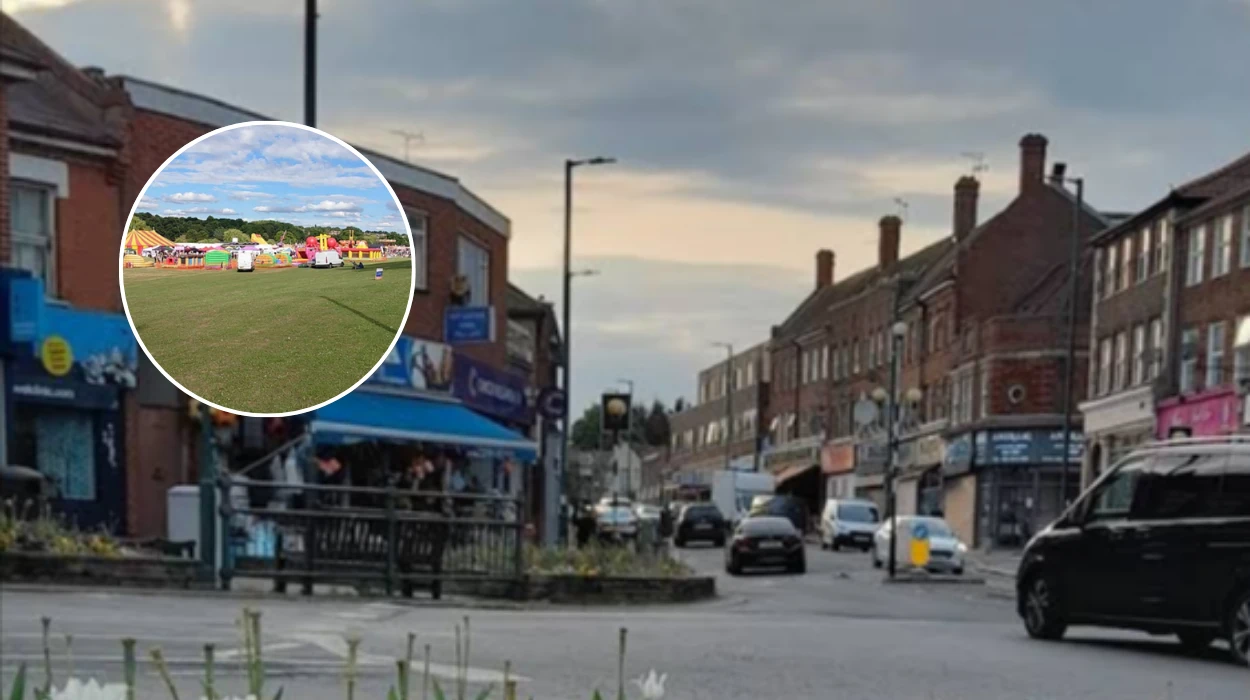
Oak Hill Park provides 35 acres of woodlands, playgrounds, and sports facilities, ideal for family outings. Managed by Barnet Council, it hosts events like summer fairs, drawing locals year-round.
The East Barnet Village high street buzzes with independent shops, cafes, and pubs like The Railway Bell, offering a quintessential British pub experience. Nearby, Monken Hadley Common preserves ancient meadows, perfect for walks with panoramic views toward London’s skyline.
Hendon Golf Club borders the area, providing recreational golf amid rolling greens. These spots embody East Barnet’s appeal as a peaceful retreat from central London’s hustle.
Community and Lifestyle
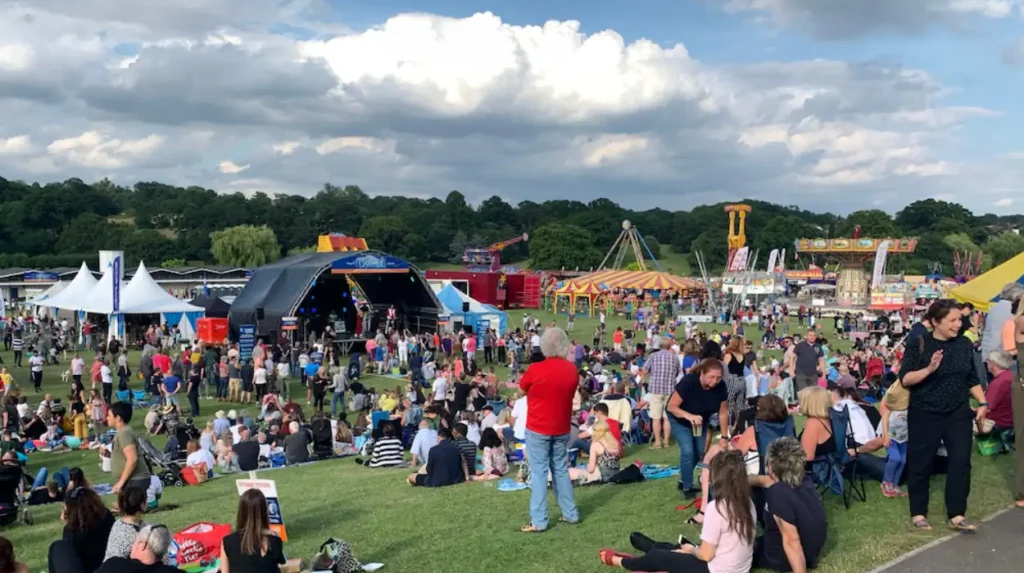
Residents enjoy strong community ties through groups like the East Barnet Festival, an annual event featuring music, stalls, and fireworks. Schools such as East Barnet School, a grammar with a proud academic record, serve families well.
Housing mixes Victorian terraces, 1930s semis, and modern apartments, with average prices around £550,000—affordable compared to prime North London spots. Excellent transport links include New Barnet station on the Thameslink line, reaching King’s Cross in under 30 minutes.
Daily life revolves around green spaces and local markets. Oak Hill Wood, an ancient woodland, supports biodiversity with bluebells in spring, attracting nature enthusiasts.
Things to Do Year-Round
- Explore Oak Hill Park’s trails and cafe for picnics or tennis.
- Stroll Monken Hadley Common, a Site of Special Scientific Interest with rare flora.
- Shop and dine on East Barnet Road’s independents, from bakeries to bookstores.
- Attend community events at the East Barnet Incomers’ Club or church halls.
- Hike nearby Trent Park for 413 hectares of deer park and historic gardens.
These activities ensure East Barnet suits all ages, from dog walkers to history buffs.
Why East Barnet Endures
Evergreen appeal stems from its balance: heritage without stagnation, nature amid suburbia. Unlike trendier North London areas, East Barnet maintains low-key authenticity, fostering long-term resident loyalty.
Proximity to Hadley Wood and Finchley adds variety, while low crime rates enhance safety. Future plans focus on sustainable development, preserving its village feel.
For North Londoners seeking roots, East Barnet delivers timeless quality of life. Its evolution from rural parish to vibrant suburb cements its place in the region’s fabric.