If you need to report loud late-night parties in Islington, you can usually do this through Islington Council’s noise and anti-social behaviour services, either online or via their out-of-hours noise team. In an emergency, or if you feel threatened or believe a crime is taking place, you should contact the police rather than the council. Before you report, it helps to keep basic notes and, where safe and legal, evidence of how often and how late the parties are disturbing you.
Why loud parties matter
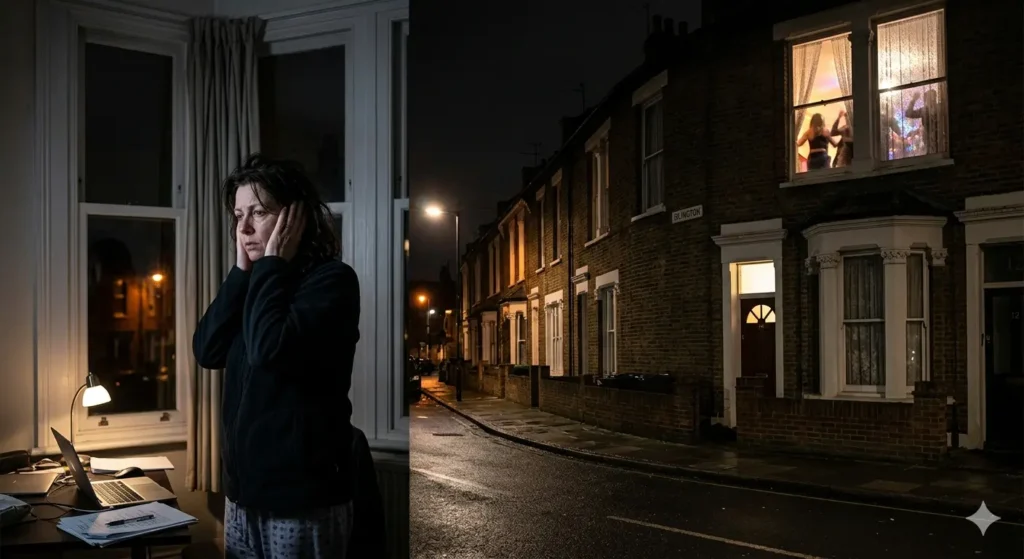
Regular late-night parties can affect sleep, mental health, work and school performance, and can damage relationships between neighbours and local residents in North London. For people living in flats and terraced homes in boroughs like Brent, Barnet, Enfield, Camden, Haringey and Islington, noise travels easily through walls, ceilings and shared outdoor spaces, so one household’s music or shouting can affect many others.
UK law allows councils to act where noise amounts to a statutory nuisance, such as frequent, excessive late-night party noise that interferes with the reasonable enjoyment of your home. Councils also have duties around anti-social behaviour, which can include repeated rowdy gatherings, especially when linked to other issues such as harassment, vandalism or drug use.
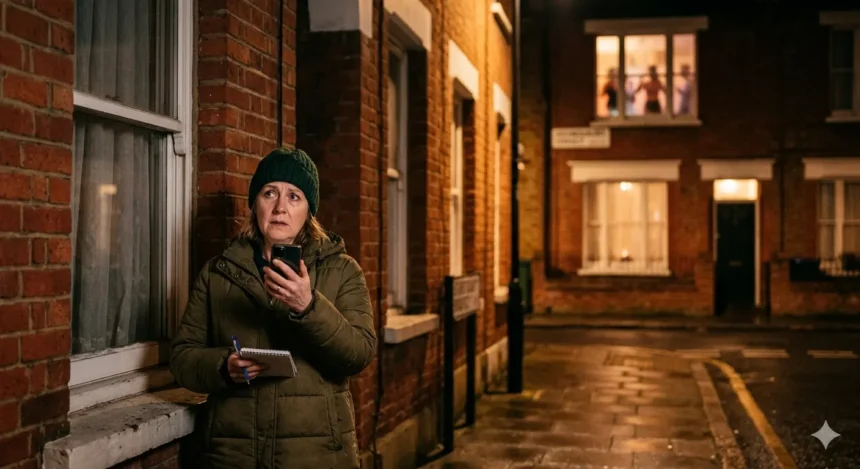
Step-by-step actions to solve the problem
These steps apply mainly to Islington, but the approach is similar for other North London council areas such as Brent Council, Barnet Council, Enfield, Camden and Haringey.
- Assess the situation safely
- Check whether it is a one-off party or a frequent pattern of loud late-night gatherings.
- Consider your own safety before taking any direct action with neighbours.
- Keep a simple noise diary
- Note dates, start and finish times, type of noise (e.g. bass-heavy music, shouting, garden parties), and how it affects you (for example, unable to sleep or children disturbed).
- If safe and legal, you can keep short recordings from inside your home to show typical noise, but written notes are often enough to start.
- Consider a calm, early conversation
- Where you feel safe and comfortable, UK guidance suggests politely speaking to neighbours first, as they may not realise how far the sound carries.
- Choose a calm time during the day, not in the middle of the night, and explain briefly how the noise is affecting you.
- Contact the landlord or housing provider if relevant
- If the noisy property is rented, you can contact the landlord, managing agent, council housing team, or housing association, as most tenancy agreements include clauses against causing a nuisance.
- They may have their own anti-social behaviour procedures, including warnings and action plans.
- Report loud late-night parties to Islington Council
- If speaking to them does not work, or you do not feel safe approaching them, you can report noise and neighbour nuisance to Islington Council’s community safety or environmental health team, including out-of-hours for night-time noise.
- You can usually report online at any time, giving details of addresses, times, and how often the parties happen.
- Know when to contact the police instead
- If there is criminal behaviour (for example violence, threats, criminal damage, or serious disorder) you should contact the police rather than treating it purely as noise.
- Use 999 in an emergency, such as when someone is at immediate risk of harm, and the non-emergency channels for ongoing criminal activity.
- Co-operate with follow-up investigations
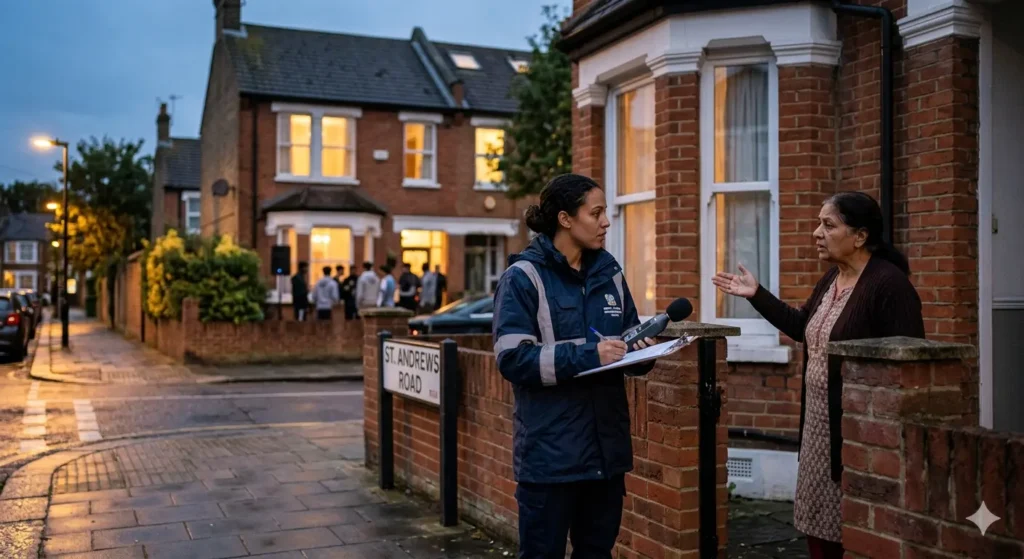
- Council officers may need to speak to you by phone or arrange to witness the noise from your property to assess whether it is unreasonable and persistent.
- They might ask you to continue keeping a diary or providing additional information while they investigate.
Which council service handles it
For Islington, loud late-night parties are usually dealt with by noise and nuisance services within environmental health or community safety, sometimes supported by an out-of-hours noise patrol. These teams can investigate whether the noise amounts to a statutory nuisance and, if necessary, take enforcement action such as warnings or legal notices.
In other North London council areas such as Brent Council, Barnet Council, Camden, Enfield and Haringey, similar services usually sit within environmental health, public protection or community safety. Housing providers in Islington and beyond also have anti-social behaviour teams that work alongside council services where the noisy household is a tenant of a housing association or local authority.
Information or documents you may need
When reporting loud late-night parties in Islington or elsewhere in North London, it helps to have:
- Full address or as precise a location as possible of the property hosting the parties.
- Dates and approximate times of recent incidents, especially very late or repeated parties.
- A brief description of the noise and its impact on you, such as sleep disturbance or disruption to children’s routines.
- Any known details about whether the property is rented, student accommodation, or a licensed premises such as a bar or club.
- If requested, copies of your noise diary, and any safe recordings made from inside your home.
This information allows council officers to assess how serious and persistent the problem is and decide what action is appropriate under UK rules on noise and anti-social behaviour.
Expected response time
Islington Council records all anti-social behaviour and noise complaints and allocates reference numbers, aiming to get back to residents within a few working days with advice or next steps. Noise services often have out-of-hours arrangements for night-time calls, but attendance can depend on staff availability and whether an officer can speak to you first.
Across North London council areas, an initial response may be a call or email to gather more detail, followed by monitoring, diary sheets and, if needed, visits to witness the noise. Legal action tends to be reserved for persistent and significant problems, so councils may work with you over a period of time to build evidence before considering formal steps.
What to do if follow-up is required
If the loud late-night parties continue after you have reported them to Islington Council or another North London council:
- Continue to keep your noise diary up to date with dates, times and impact, and send this to your case officer if requested.
- Reply promptly to any council contact and provide extra detail or evidence to help their investigation.
- If you live in social housing, stay in touch with your housing officer or housing association, who can take tenancy-related action if necessary.
- If you feel the response has stalled, you can ask for an update, refer to your case reference number, and, where appropriate, use the council’s complaints process about the handling of your case.
Where there is clear criminal behaviour, or the situation escalates into threats or damage, you should contact the police even if there is already an ongoing noise or anti-social behaviour case with the council.
Rights and responsibilities under UK rules
Under UK law, everyone has the right to the quiet enjoyment of their home, and councils have powers to act against statutory noise nuisance such as repeated loud late-night parties. This can include investigating complaints, serving abatement notices, and, in serious or persistent cases, working with the police or taking legal action.
At the same time, local residents across Brent, Barnet, Enfield, Camden, Haringey and Islington share responsibilities:
- Hosting the occasional party is generally acceptable, provided noise is kept to reasonable levels and neighbours are respected.
- People organising gatherings should avoid frequent, very late events that disturb others and should respond promptly if neighbours or officers ask them to turn music down.
- Residents reporting noise should give accurate information, co-operate with investigations and use emergency services only where there is an immediate risk or criminal behaviour.
Practical tips to avoid the problem in future
Whether you are a resident affected by noise or someone planning a party in North London, a few practical steps can prevent disputes:
- If you plan a party, let neighbours know in advance, give a clear finishing time, and stick to it, especially in flats and shared buildings.
- Keep music indoors with windows and doors closed late at night, and avoid powerful speakers or subwoofers close to shared walls.
- Move conversations and smoking areas away from bedrooms and neighbouring windows, particularly after late hours.
- For regular events, consider whether a licensed venue or community hall might be more suitable than a small flat or house.
- As a neighbour, raising concerns early, politely and in daylight often prevents matters escalating to formal complaints.
By understanding how to report loud late-night parties in Islington and other North London council areas, and by using these practical steps, local residents can usually find a balanced solution that protects everyone’s right to enjoy their homes.
Is it illegal to play loud music after 11pm in the UK?
Yes — playing loud music after 11pm can be considered a statutory noise nuisance under rules enforced by your local council, such as Islington Council, and may lead to warnings or fines if reported.