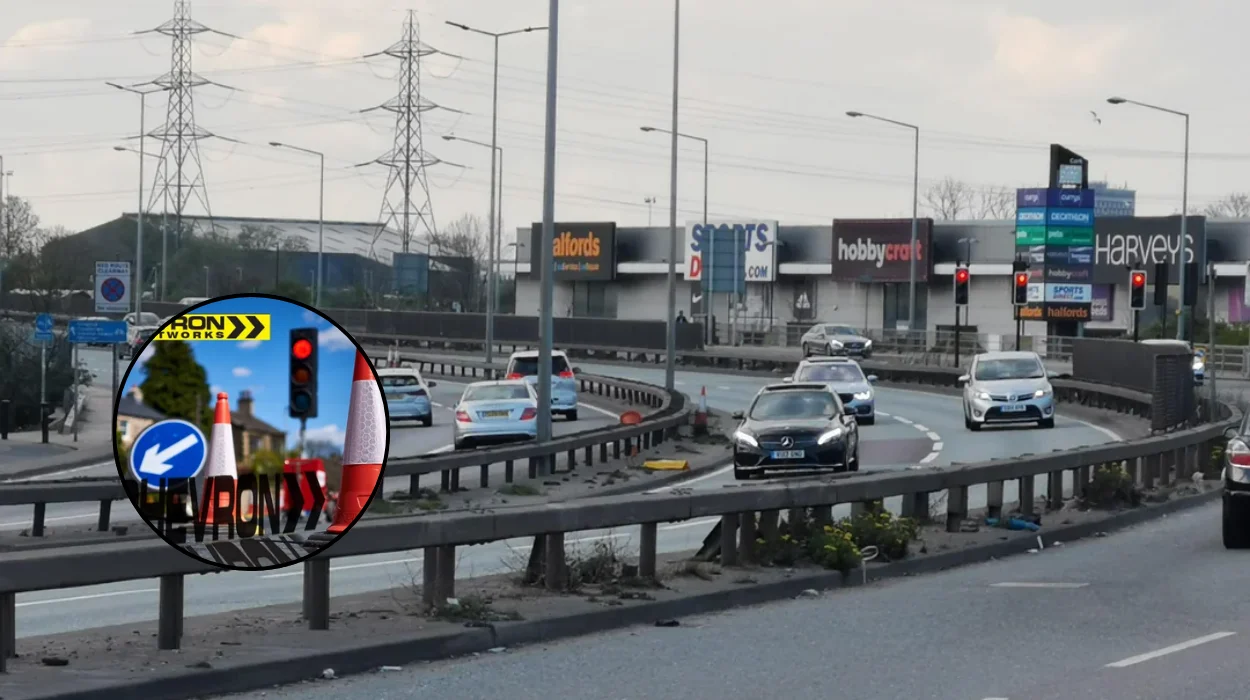
The North Circular Road, officially known as the A406, is one of the most iconic and vital arteries running through North London. Spanning approximately 25.7 miles (41.4 km), this major ring road serves as a crucial bypass around central London, connecting suburban neighborhoods, industrial estates, and key transport hubs. For decades, the North Circular has been both a lifeline for commuters and a notorious hotspot for traffic congestion. This comprehensive guide explores the history, development, traffic challenges, and ongoing improvements of the North Circular — essential knowledge for any North London resident or visitor.
- The History and Development of the North Circular Road
- Understanding Traffic Conditions on the North Circular Today
- Common Traffic Issues:
- Upgrades and Traffic Management
- Why the North Circular Matters to North London Residents
- Tips for Navigating the North Circular
- Looking Ahead: The Future of the North Circular Road
The History and Development of the North Circular Road
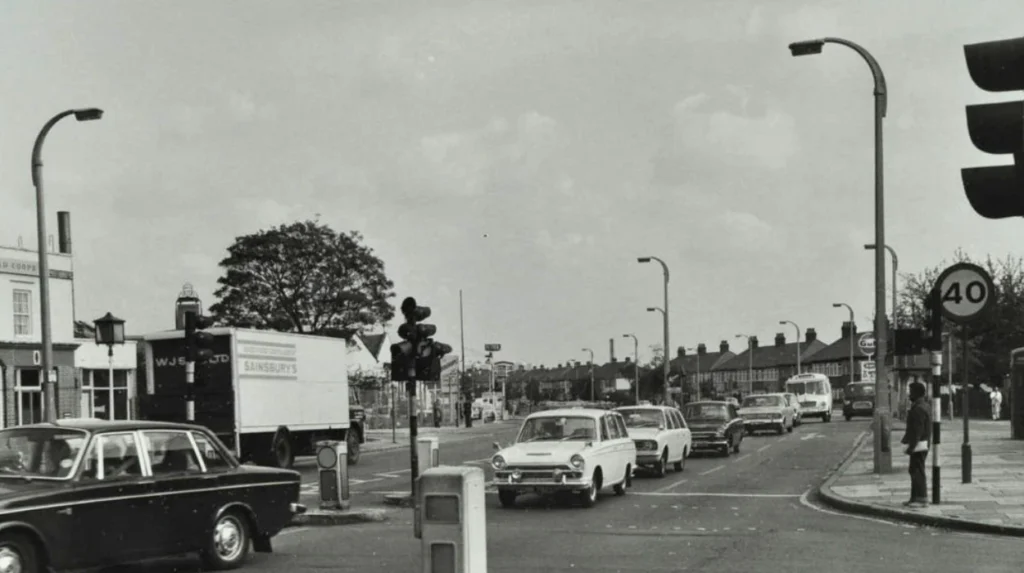
The idea for the North Circular Road dates back to the early 20th century, with proposals emerging from the London Traffic Division of the Board of Trade as early as 1910. It was conceived to alleviate rising congestion by creating a bypass around central London, linking growing suburban towns and burgeoning industrial areas mainly in the interwar period of the 1920s and 1930s.
Construction began largely as an unemployment relief effort after World War I. The road was designed to connect local industrial communities such as Edmonton, Tottenham, and Walthamstow, allowing more efficient movement of goods and workers while bypassing the crowded city center. By the 1930s, the route was largely open to traffic, close to its current length, running initially from Chiswick in West London to Southgate in the north-east.
After World War II, the North Circular was designated a trunk road in 1946, shifting funding and maintenance responsibilities to the Ministry of Transport. The post-war years saw a push to upgrade the road, with plans during the 1960s through the controversial London Ringways scheme to convert it into a modern motorway-standard dual carriageway. However, widespread public opposition and protests led to the cancellation of the full motorway upgrades in 1972.
Despite cancellations, various parts of the road were widened and improved gradually through the 1970s and 1980s. These upgrades included junction remodelling, widening sections to dual carriageways, and adding flyovers to ease bottlenecks. By the early 1990s, the road was extended eastwards to bypass Barking and connect to the A13 near Woolwich, improving traffic flow for eastbound travelers.
Understanding Traffic Conditions on the North Circular Today
Modern-day traffic on the North Circular is a complex blend of commuter rushes, heavy freight movement, and local journeys. The road forms part of a semi-ring around London with some sections built to motorway standards and others still reflective of older layouts with traffic lights and narrower lanes.
Common Traffic Issues:
- Congestion Hotspots: Junctions such as Henlys Corner, Bounds Green, and the Great Cambridge Road Roundabout remain severe pinch points, especially during peak hours.
- Residential Impact: Unlike purpose-built motorways, many parts of the North Circular run through densely populated suburban neighborhoods. This proximity causes traffic noise and pollution concerns for residents.
- Variable Road Standards: Some sections feature multiple lanes and grade-separated junctions, while others still have traffic signals and single carriageways limiting capacity.
- Frequent Delays: Accidents, roadworks, and closures of nearby docks and ferry crossings can cause significant delays.
Upgrades and Traffic Management
London authorities and Transport for London (TfL) have undertaken numerous works to improve traffic flow. Notable recent schemes include:
- Widening of the carriageway between Bounds Green Road and Green Lanes.
- Junction upgrades at Henlys Corner to add lanes and improve turning flows.
- Enhanced cycle paths and pedestrian crossings to increase safety.
- Installation of smart traffic signals and improved signage.
Despite these efforts, the North Circular is still often congested during rush hours, reflecting its status as a key commuter and freight route. Future plans focus on more sustainable travel options and better integration with public transport to reduce dependency on cars.
Why the North Circular Matters to North London Residents
For anyone living or working in North London, the North Circular Road is more than just a road — it’s a major part of daily life. Its history reflects the growth and industrial heritage of the area, while its ongoing challenges mirror the issues of modern urban transport.
- The road supports local economies by connecting industrial estates and retail centers.
- It offers a necessary bypass to avoid central London’s heavier traffic.
- The diversity in surrounding neighborhoods means congestion affects a wide spectrum of communities.
- Environmental and noise concerns drive community activism focused on road safety and pollution reduction.
Tips for Navigating the North Circular
If you live in or travel through North London, knowing how to deal with North Circular traffic is key:
- Avoid peak hours where possible, especially mornings 7-10 AM and evenings 4-7 PM.
- Use real-time traffic apps to monitor congestion and identify alternate routes.
- Consider public transport alternatives parallel to the North Circular, like the Overground or Underground lines.
- For freight and delivery vehicles, plan journeys outside commuter peaks for smoother travel.
Looking Ahead: The Future of the North Circular Road
The future of the North Circular lies in balancing the demands of modern transport with sustainability and community needs. While full motorway conversion is off the table, ongoing targeted upgrades, incorporating smart traffic technology and encouraging non-car travel, offer hope for relief.
TfL continues to explore schemes to improve air quality and reduce noise through better road surfaces, green buffers, and electric vehicle incentives. Integration with London’s broader transportation network aims to reduce individual car journeys, easing load on this vital route.
The North Circular Road remains a pivotal roadway for North London, steeped in history and continuously evolving. Understanding its past and present helps residents navigate its challenges and look forward to a more connected, efficient future.