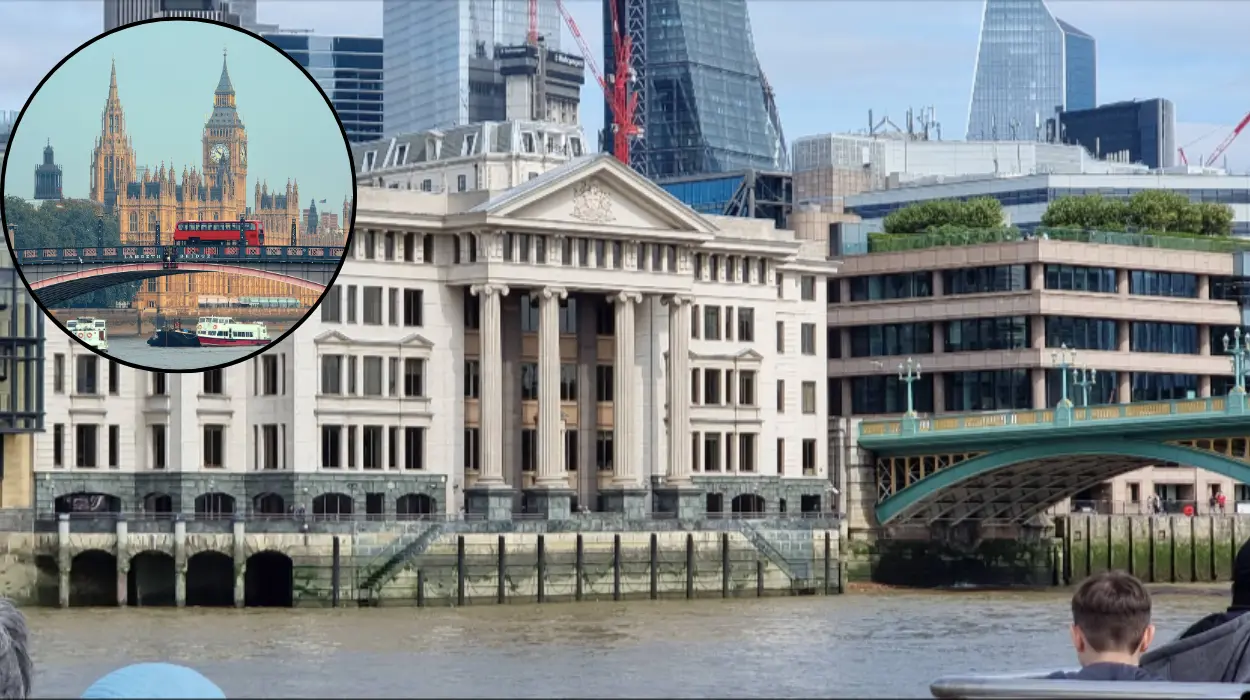
North London offers diverse and reliable commuting options that make daily travel to Central London, nearby areas, and beyond both efficient and accessible. From iconic Tube lines to expanding Overground networks, residents enjoy strong connectivity tailored to modern lifestyles. This guide explores the best routes, tips, and strategies for seamless journeys.
Tube Networks Overview
The London Underground serves as the backbone of North London commuting, with key lines like the Northern, Piccadilly, Victoria, and Overground providing direct access to Central London. North London’s stations, such as those in Tottenham, Camden, Brent, and Barnet, connect to major hubs like King’s Cross, Euston, and Moorgate in 20-45 minutes during peak times. These lines operate from early morning until late night, with frequencies up to every 2-3 minutes in rush hours, ensuring minimal wait times.
High-capacity trains on the Northern Line from Edgware or High Barnet reach Bank or London Bridge swiftly, ideal for City workers. Piccadilly Line stations in Arnos Grove or Cockfosters offer fast links to Heathrow Airport, benefiting frequent flyers. Fares start at £2.80 for pay-as-you-go Oyster cards, with daily caps around £8.10 for Zones 1-4, making it cost-effective for regulars.
Overground and National Rail
London Overground expands options with routes like the Gospel Oak to Barking Riverside line, serving Hampstead Heath and Camden areas effectively. From Gospel Oak, commuters reach Canonbury or Stratford in under 20 minutes, connecting seamlessly to Elizabeth Line services. National Rail from stations like Finsbury Park or Alexandra Palace provides high-speed links to Moorgate or Liverpool Street, with journey times as low as 25 minutes.
These services shine for airport travel, with direct Thameslink trains from St Albans (near Barnet) to Gatwick or Luton Airports. Peak-hour reliability stands at over 90%, bolstered by recent infrastructure upgrades like the Barking Riverside extension. Contactless payments simplify ticketing, and apps like Citymapper predict disruptions in real-time.
Bus and Cycle Routes
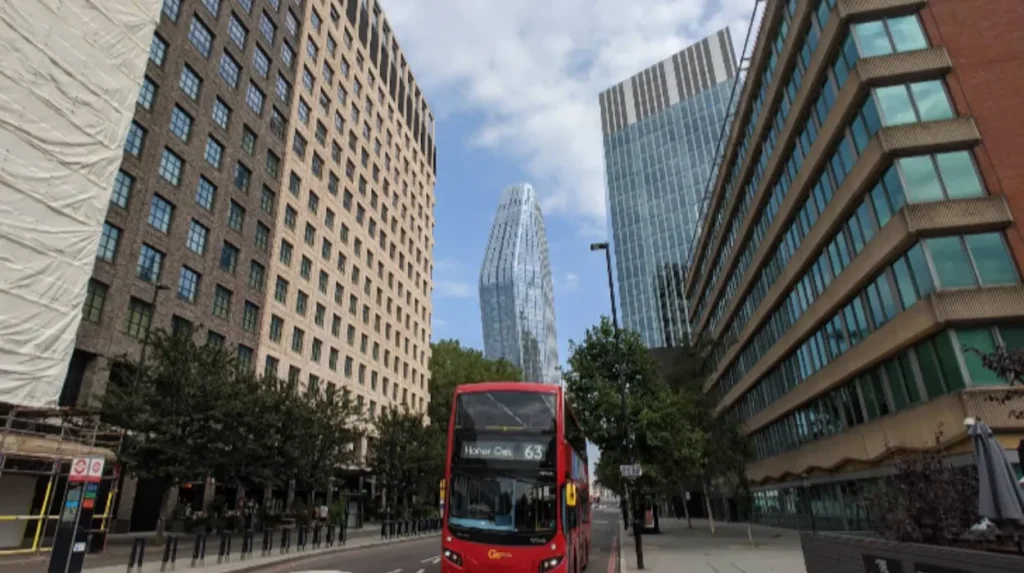
TfL buses complement rail networks, with frequent services like the 29 from Camden to Trafalgar Square or the 263 from Barnet to Golders Green. These routes operate 24/7 on select corridors, averaging 10-15 minute headways during the day. Low-emission buses reduce environmental impact, aligning with Ultra Low Emission Zone (ULEZ) compliance across North London.
Cycling infrastructure has grown via Cycleways 1 and 11, linking Brent to the City with protected lanes and e-bike hire from Santander Cycles. Quietways through parks like Finsbury Park offer scenic, traffic-free paths for 30-40 minute rides to Central London. Combining bus and Tube via integrated apps optimizes multi-modal trips.
Driving and Road Access
Major roads like the A406 North Circular and M25 provide car commuting flexibility, though congestion charges apply in Central London. From Enfield or Tottenham, the A10 reaches the City in 30-50 minutes off-peak, with average speeds improving via smart motorway tech on the M25. Park-and-ride facilities at Brent Cross or Finchley reduce urban driving.
Fuel costs average £1.45 per litre, but carpooling via apps like Liftshare cuts expenses. Electric vehicle charging points have expanded to over 500 in Barnet and Camden, supporting greener drives. Real-time traffic updates from TfL’s website help avoid hotspots like Archway Road.
Commuting from Key Areas
Tottenham and Haringey
Tottenham Hale station on the Victoria Line zips to Oxford Circus in 20 minutes, while Overground links to Liverpool Street take 15 minutes. Buses like the W3 serve local connectivity.
Camden and Brent
Camden Town’s Northern Line offers two branches to the City, with Euston nearby for West Coast Main Line intercity travel. Wembley Park’s Jubilee Line reaches Canary Wharf quickly.
Barnet and Enfield
High Barnet’s Northern Line terminus provides 40-minute journeys to Moorgate. Enfield Town’s Overground connects to Cheshunt for Stansted Express.
Cost-Saving Strategies
Use contactless or Oyster for capping—daily limits save up to 50% versus single tickets. Railcards offer 1/3 off for frequent travelers, while season tickets suit monthly commuters. Apps like Trainline compare fares across operators.
Workplace shuttle services from tech hubs in Brent Cross ease last-mile travel. Off-peak travel (after 9:30 AM) slashes crowds and costs by 20-30%.
Sustainability Tips
Opt for electric buses or Thames Clippers river services from Blackfriars (accessible via Tube). Cycle Superhighways reduce carbon footprints by 70% per commuter. TfL’s free air quality updates guide ULEZ-compliant choices.
Carpool apps and car clubs like Zipcar minimize emissions. Community bike shares in parks promote active travel year-round.
Future Improvements
Crossrail 2 planning promises new North-South links, potentially halving Tottenham to Victoria times. Bakerloo Line extensions to Hayes will boost Brent connectivity by 2030. DLR expansions indirectly aid via Stratford interchanges.
Ongoing electrification of Overground lines enhances reliability. These upgrades position North London as a forward-thinking commuter hub.
Daily Routine Hacks
Plan via TfL Go app for live updates. Carry a portable charger for long days. Hybrid routines—Tube in, cycle out—balance fitness and speed. Weather-proof gear ensures comfort in London’s variable climate.