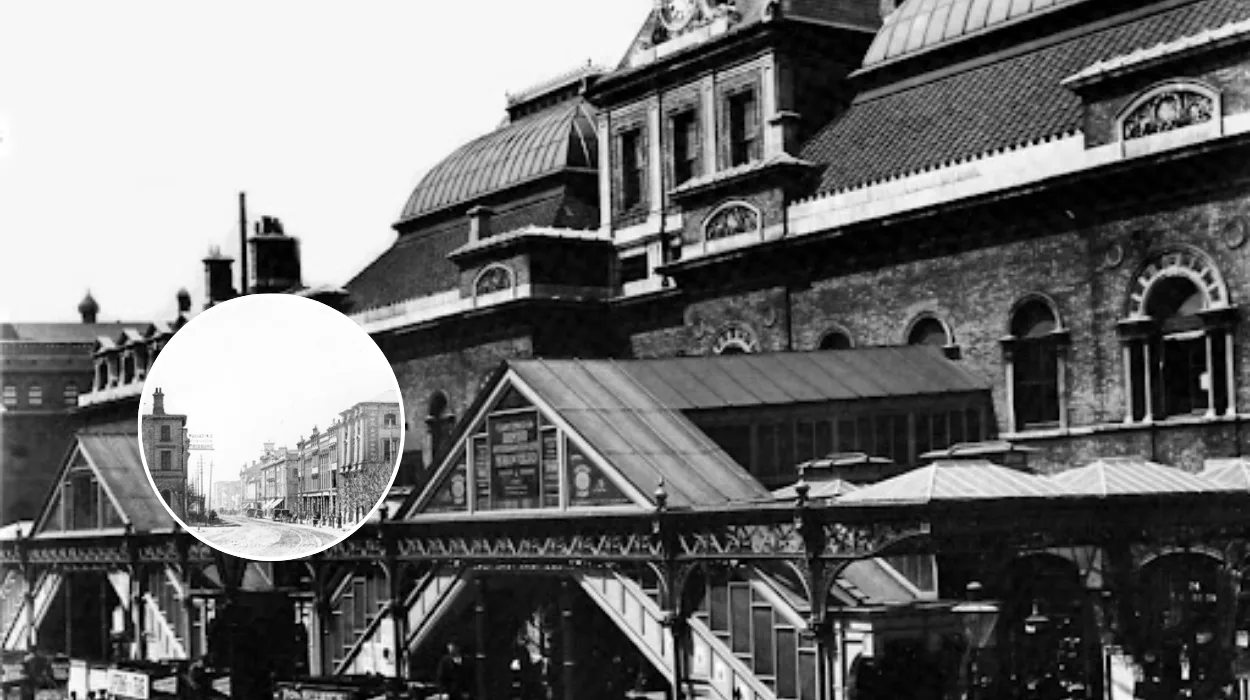
North London’s history begins in the prehistoric era, with evidence of Mesolithic activity around 7000 BC on elevated areas like Hampstead Heath in Camden. Early hunter-gatherers exploited the region’s dense woodlands, clay soils, and rivers such as the Fleet and Tyburn for sustenance and resources. Archaeological discoveries, including flint tools and barrows from the Bronze and Iron Ages, reveal scattered settlements amid the ancient Great North Wood that once blanketed much of the area.
Roman Foundations
The Romans founded Londinium around AD 43-47, extending influence northward across the Thames with cemeteries and roads like Ermine Street. Northern fringes hosted auxiliary farms, industrial sites along the Walbrook, and burial grounds unearthed at places like Spitalfields, preserving artifacts from trade and daily life. As Roman power declined by the 5th century, these outposts faded, leaving waterlogged sites rich in organic remains.
Anglo-Saxon Settlements
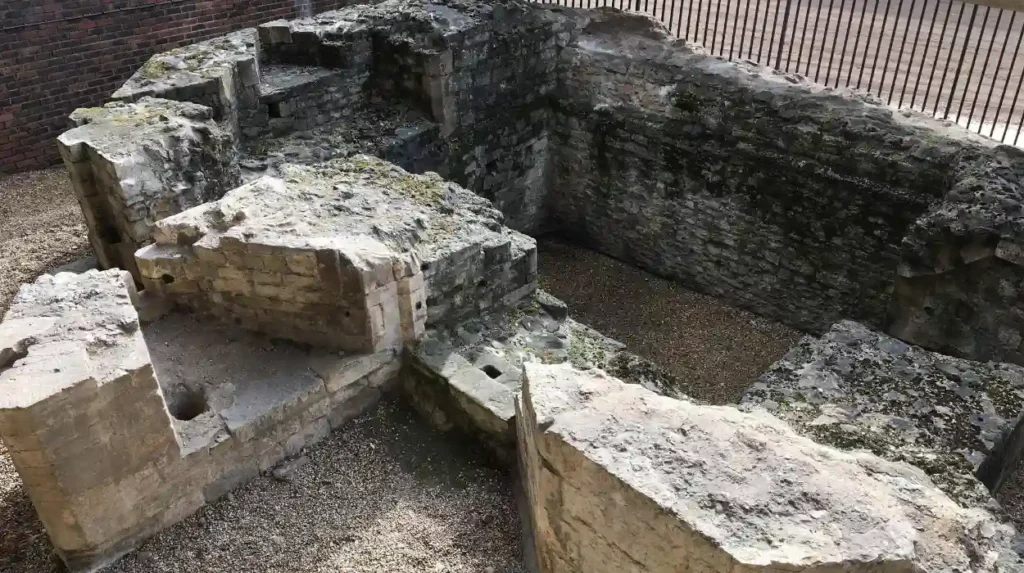
Following Roman withdrawal, Anglo-Saxon settlers from the 5th to 7th centuries established rural hamlets in North London, including Islington, Paddington, and Northolt, avoiding the ruined city core. Farming communities clustered near streams, their presence marked by cemeteries containing jewelry and weapons, under Mercian control by the 8th century. Christianity spread through East Saxon kings, laying groundwork for later growth amid forested estates.
Medieval Transformation
The Norman Conquest of 1066 prompted William I to secure northern approaches, granting lands to allies while abbeys like Westminster held Hampstead and Fulham. From the 12th to 15th centuries, boroughs formed along roads like High Holborn, with bishops’ palaces in Ely Place hosting royalty such as Elizabeth I. The Black Death devastated populations in 1348-49, yet priories and markets persisted, driving trade northward from Cheapside.
Tudor and Stuart Expansion
During the Tudor period from 1485 to 1603, suburban development accelerated as Elizabeth I leased church lands, spurring inns and markets in North London. Stuart rule saw marsh drainage and infrastructure like the New Road (Euston Road) in 1756, with Camden Town emerging in 1791 under Earl Camden’s plans. Proximity to Westminster transformed rural estates into burgeoning urban edges.
Georgian and Regency Growth
The 18th and early 19th centuries ushered in villas, canals, and roads, with Regent’s Canal opening in 1820 to boost Camden’s trade hub status. Somers Town and King’s Cross developed around Euston Road, blending gentry housing with worker accommodations amid market gardening. Georgian architecture graced Islington and Highgate, marking North London’s genteel expansion.
Victorian Industrial Boom
The 19th-century Industrial Revolution industrialized North London through railways, factories, and canals, with lines like the Piccadilly connecting boroughs by 1906. Textile mills and engineering drew immigrants to Haringey and Islington, amid overcrowding addressed by Factory Acts from 1833. Steam innovations and workhouses defined an era of rapid, often harsh transformation.
20th Century Modernization
The early 1900s introduced cinemas in Islington and garden suburbs like Hampstead in 1907, followed by wartime Blitz damage in Camden and rebuilding efforts. Post-1945, 1965 borough mergers formed modern Camden and Haringey under the Greater London Council, with retail like Tesco’s Burnt Oak store reflecting diversification. Immigration from Ireland and Cyprus enriched communities.
Post-War to Contemporary Legacy
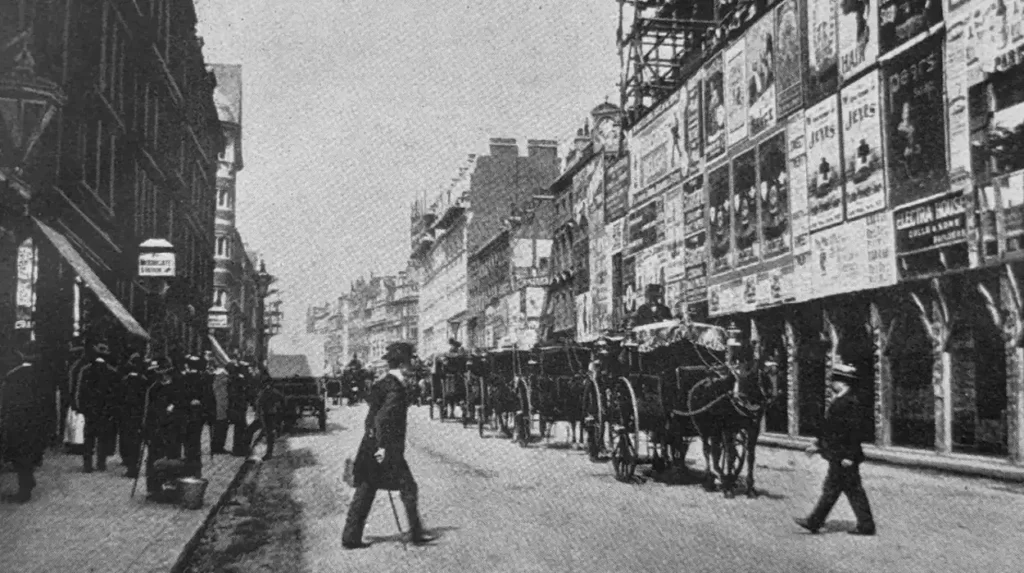
From the 1960s onward, council housing and deindustrialization gave way to tech hubs and cultural revival in areas like King’s Cross. Iconic sites such as Highgate Cemetery, Alexandra Palace, and Highbury’s Arsenal stadium preserve this heritage alongside green spaces like Hampstead Heath. Preservation initiatives ensure North London’s ancient forests, Roman roads, and Victorian innovations continue shaping its vibrant identity.