North London’s libraries serve as vibrant community hubs, offering free access to books, digital resources, events, and learning opportunities for residents across boroughs like Islington, Haringey, Camden, Barnet, and Enfield. These institutions blend rich historical legacies with modern innovations, making them timeless destinations for readers, students, families, and lifelong learners in the region. From Victorian-era reading rooms to state-of-the-art digital centers, they embody the enduring value of public knowledge in North London.
Historical Evolution
The story of libraries in North London begins in the mid-19th century with the Public Libraries Act of 1850, which allowed local authorities to establish free public libraries funded by rates. Islington’s pioneering branch opened in 1856 at the Mechanics’ Institution on Upper Street, providing working-class access to education amid the Industrial Revolution.
By the early 20th century, philanthropists like Andrew Carnegie supported expansions, funding branches in Haringey and beyond, while Camden’s subscription libraries from the 1690s transitioned into public services by the 1890s.
These libraries endured challenges like World War II bombings and 1980s austerity, rebuilding with community support to preserve local archives on topics from Georgian architecture to suffragette history. Today, they continue this legacy, digitizing collections to ensure accessibility for future generations in North London.
Islington’s Key Branches
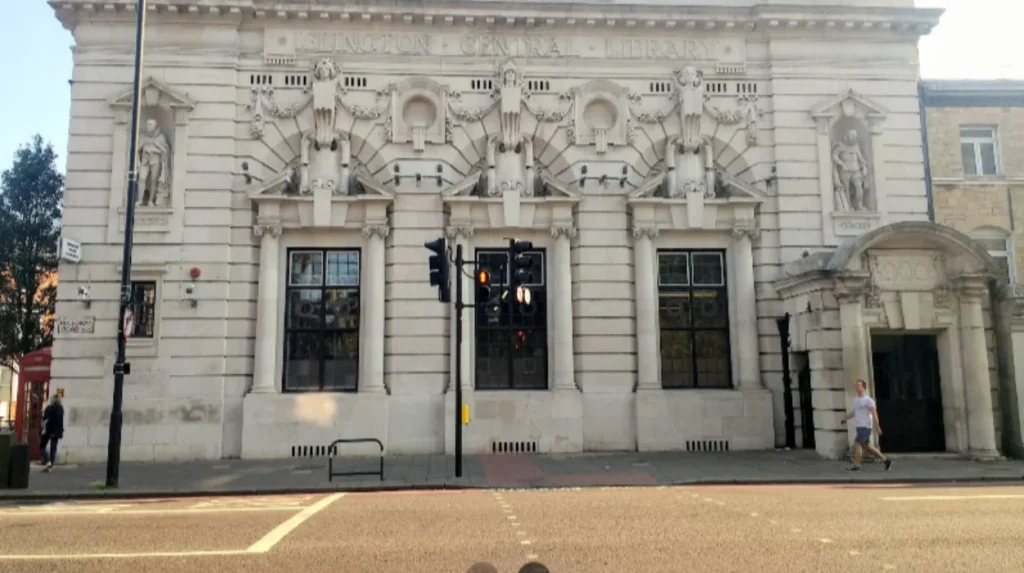
Islington Council operates seven libraries, stocking over 200,000 items and welcoming thousands weekly. North Library in Holloway, located at Manor Gardens, N7 6JX, provides spacious study areas, free Wi-Fi, 10 public computers, and ICT training sessions tailored for job seekers, open Tuesdays and Thursdays until 8pm. Central Library at 2 Fieldway Crescent, N5 1PF, excels in digital offerings like e-books and audiobooks through BorrowBox, alongside newspapers and community events.
Highbury Library, modernized in 2012, features dedicated children’s zones with rhyme time sessions and adult literacy programs, fostering family engagement. Finsbury Library houses unique basement archives, including rare Arsenal Football Club photos and local political records, appealing to history enthusiasts across North London.
Haringey’s Diverse Collections
Haringey Borough’s nine libraries reflect its multicultural fabric, with collections in Turkish, Kurdish, Somali, and more. Hornsey Central Library in Haringey Park, N8, stuns with its 1935 Art Deco design, including a stained-glass dome, and hosts creative writing workshops amid 50,000 volumes. Wood Green Library, conveniently near the shopping centre, offers 24/7 digital access and sensory rooms for neurodiverse visitors.
Bruce Castle Museum Library in Tottenham combines heritage with lending, showcasing 17th-century maps and West Indian history texts. Crouch End Library, in a charming Edwardian building, runs popular book clubs and youth coding clubs, contributing to half a million annual visits pre-pandemic.
Camden’s Literary Icons
Camden’s 12 libraries are steeped in literary fame, with Swiss Cottage Library—Europe’s largest post-war public library from 1964—spanning 8,000 square meters and featuring a theatre, café, and language labs, circulating over a million items yearly. Highgate Library in Crescent Grove, N6, captivates with Victorian Gothic architecture, rare first editions, and archives on poets like Samuel Taylor Coleridge.
Hampstead Library provides serene garden reading spaces inspired by John Keats, while the borough’s network supports everything from ESOL classes to author talks, drawing on Karl Marx’s research legacy at these sites.
Barnet and Enfield Extensions
Extending North London’s library reach, Barnet’s Chipping Barnet Library specializes in Holocaust education resources, with Edgware branch thriving near the tube station. Enfield’s Palmers Green Library boasts eco-friendly design, teen gaming zones, and inclusive services like home delivery for housebound residents and braille collections.
These outer libraries prioritize accessibility, offering large-print materials and community programs that bridge urban and suburban needs in the region.
Modern Services Offered
North London libraries provide free universal Wi-Fi, self-service kiosks, and apps like Libby for instant e-book and audiobook access—Islington alone boasts 10,000+ digital titles. Events span baby rhyme times, job clubs, and ESOL classes, with “Library of Things” initiatives allowing borrows of tools, kitchen gadgets, and telescopes to promote sustainability.
Health programs include reading prescriptions for mental wellbeing and tech tutoring for seniors, while academic ties offer free JSTOR access. Borough-wide, they record around two million visits annually, adapting post-COVID with hybrid events.
Community Engagement
These libraries strengthen social bonds through initiatives like Islington’s North Library Diwali storytelling and Haringey’s reading groups combating isolation, engaging over 1,000 participants yearly. They bolster education with GCSE revision sessions that improve pass rates and support entrepreneurs via free printers and meeting rooms.
During economic pressures, warm spaces with complimentary tea provide vital support. Evergreen programs like the Summer Reading Challenge involve 20,000 children annually, ensuring lasting community impact.
Architectural Marvels
North London’s libraries display diverse architecture, from Swiss Cottage’s brutalist grandeur to Hornsey’s Art Deco elegance. Hidden gems include Islington’s community library in a repurposed pub and Camden’s park pop-ups, with many featuring preserved bomb shelters now as stacks.
Treasures abound: Highgate’s Coleridge manuscripts and Barnet’s Jewish East End photographs, accessible via guided tours that reveal their cultural depth.
Practical Access Tips
Obtaining a library card requires simple proof of address, with online renewals and real-time stock checks via apps. Excellent transport links—Holloway Road tube to North Library, Piccadilly Line to Arnos Grove for Wood Green—make them convenient.
Volunteering opportunities in shelving or storytelling abound, alongside book donations after sorting. These user-friendly features keep libraries central to daily North London life.
Enduring Legacy
Despite funding challenges, campaigns like “Love Your Library” safeguard their future, with digitization and planned VR history tours expanding horizons. North London’s libraries remain indispensable, preserving knowledge and community spirit for generations ahead.